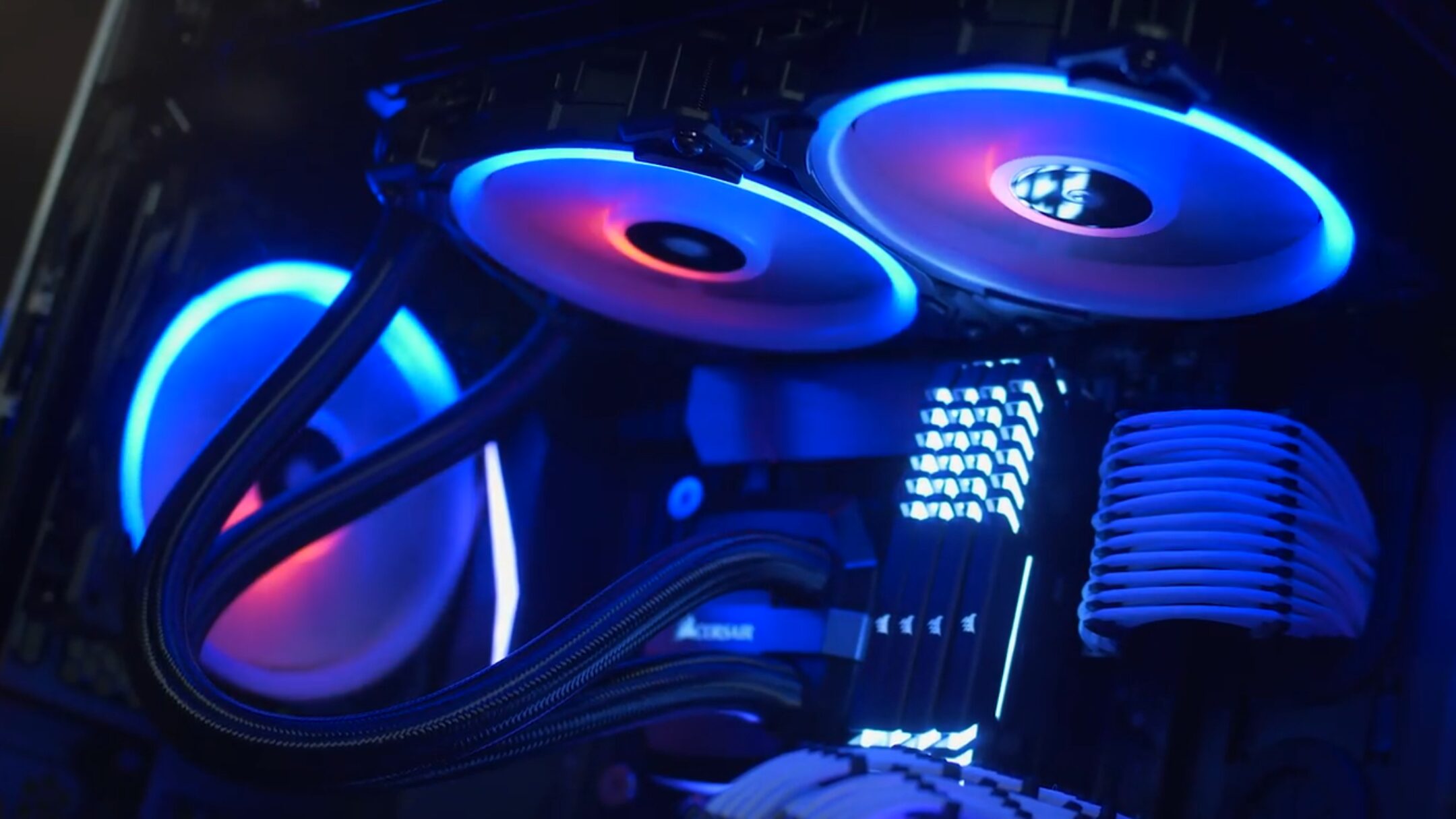
The evolution of 3D printing technology has enabled PC enthusiasts to enhance their builds significantly. Rather than merely decorating their systems, users can now create functional components that improve performance, cooling, and overall efficiency. This article explores five innovative 3D prints that not only optimize PC functionality but also address common challenges faced by builders.
Mastering Airflow and Cooling
Many PC cases struggle with effective airflow management. Standard designs often result in inefficient air circulation, where a high-static pressure fan pushes air into the case but fails to direct it adequately to critical components. According to YouTuber Optimum Tech, traditional cooling solutions tend to rely on brute force rather than strategic airflow.
By designing a simple internal duct, users can bridge the gap between intake fans and cooling units, ensuring that 100% of the air flows through essential heatsinks. This modification enhances the cooling efficiency of most configurations and can even lead to quieter operation, as cooler components allow for reduced fan speeds. While aesthetic concerns may arise with the loss of visibility for RGB fans, the performance benefits often outweigh the visual appeal for many users.
Eliminating GPU Sag with Style
As graphics cards have grown in size and weight, the issue of GPU sag has become increasingly prevalent. Traditional solutions, such as sag brackets, can obstruct airflow and disrupt the overall look of the build. A creative solution found on Printables involves a 3D-printed support that mounts directly to the case’s bottom fans.
This design utilizes the fan’s screw holes to create an adjustable arm that supports the GPU without interfering with the airflow. At a minimal cost of just a few cents in filament and a couple of hours for printing, this solution offers a sleek, unobtrusive method to maintain GPU positioning while protecting the PCIe slot from potential damage.
Protecting Ethernet Connections
The fragility of Ethernet cable locking tabs poses a significant challenge for users. Damage to these tabs can lead to unreliable connections, particularly for high-speed applications. Previously, repair options required cutting and crimping new connectors, a task not feasible for everyone.
3D printing provides a straightforward remedy: a clip that slides over the damaged connector to act as a replacement locking tab. This small print job takes only ten minutes but offers invaluable reassurance for maintaining reliable internet connections. Additionally, printing dust caps for RJ45 ports can prevent dust accumulation, promoting long-term maintenance of critical connections.
Adapting M.2 Drives for Flexible Storage
With storage prices rising, repurposing M.2 2230 SSDs from devices like gaming handhelds has become an attractive option. However, many motherboards are designed only to accommodate longer 2242 and 2280 drives. Instead of purchasing potentially unreliable metal extension brackets, users can 3D print a simple adapter using PLA material.
This adapter securely holds the shorter drive in place and aligns with existing standoff screws, ensuring a non-conductive, effective solution for expanding storage capabilities. As more users seek affordable storage options, this innovation offers a practical way to utilize previously overlooked drives.
Custom Keycaps for Mechanical Keyboards
For mechanical keyboard enthusiasts, the market for keycaps can often be exorbitantly priced. The 3D printing community offers a viable alternative for those seeking custom designs without the hefty price tag. By utilizing designs like the GEM profile tailored for FDM printing, users can create unique, ergonomic keycaps that fit Cherry MX switches perfectly.
This process allows for customization in color and shape, providing an accessible way to personalize keyboards without breaking the bank. With advancements in 3D printing technology, the quality of these custom keycaps has significantly improved, making them a compelling choice for DIY enthusiasts.
In conclusion, 3D printing technology offers PC builders innovative solutions to enhance performance and functionality. From optimizing airflow to providing protective solutions for fragile components, these prints empower users to take control of their hardware. With the right tools and a bit of creativity, anyone can transform their PC build into a highly efficient and customized system.