Tesla Inc. has reported a significant decline in vehicle sales for the second consecutive year, positioning China’s BYD Co. as a dominant force in the global electric vehicle (EV) market. In a statement released on Friday, Tesla announced that its fourth-quarter deliveries fell by 16%, totaling 418,227 vehicles. This figure fell short of analyst estimates and reflected a broader trend, with annual sales decreasing by 8.6%.
In stark contrast, BYD continued to gain momentum, recording a substantial increase in battery-electric vehicle sales. The Chinese manufacturer delivered nearly 2.26 million EVs in 2025, compared to Tesla’s 1.64 million units. This marked a significant shift in the competitive landscape, as BYD’s growth outpaced Tesla’s declining figures.
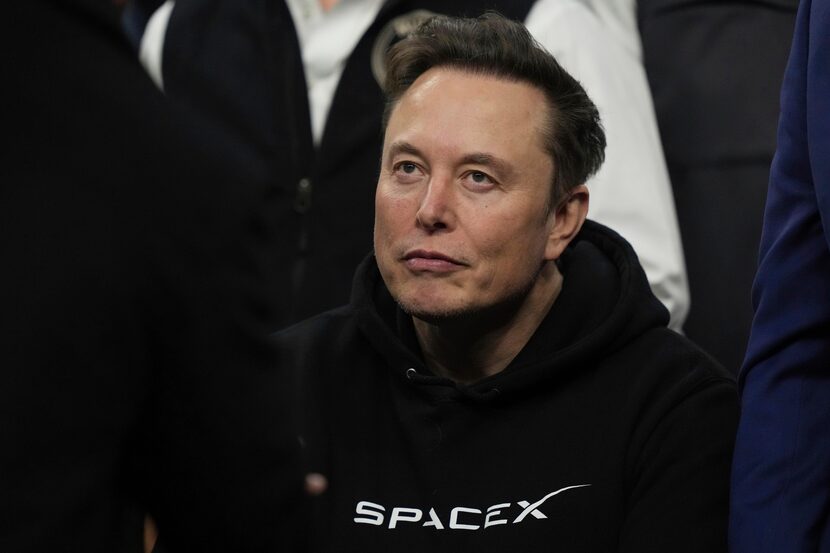
Investors have largely overlooked Tesla’s waning market position, instead focusing on CEO Elon Musk‘s ambitions in artificial intelligence and autonomous vehicles. Musk has drawn attention away from Tesla’s core business by emphasizing developments in his long-term goal of launching a robotaxi service. Successfully establishing this service will be crucial in 2026, particularly as the demand for EVs in the United States faces challenges.
The current political climate has also impacted Tesla’s sales. The administration under former President Donald Trump has ended federal incentives for plug-in vehicle purchases and rolled back regulations that had previously bolstered Tesla’s revenue. Analysts, such as William Blair‘s Jed Dorsheimer, had anticipated a difficult quarter for Tesla following the conclusion of a key consumer tax credit for EV purchases in the U.S.
Despite the disappointing sales results, the overall impact on Tesla’s stock may be limited. Dorsheimer noted that the company’s valuation is now closely tied to its transition toward practical applications of AI rather than vehicle sales alone. Following the announcement, Tesla shares fell by over 2% in intraday trading, although the stock had gained 11% over the previous year, maintaining a market capitalization exceeding $1 trillion.
BYD’s ascent in the EV sector has been notable, particularly as it edged past Tesla in fully electric car deliveries during the fourth quarter of 2025. While Tesla held a slight advantage in annual deliveries that year, BYD’s consistent sales of over 2 million plug-in hybrids in each of the past two years showcases its robust market presence.
As Wall Street grows increasingly cautious about Tesla’s sales outlook for 2026, analysts have revised their forecasts dramatically. Just two years ago, projections suggested Tesla would deliver more than 3 million vehicles, but the average estimate has since plummeted to approximately 1.8 million.
On a more positive note, Tesla’s energy storage battery business has experienced remarkable growth. The company deployed 14.2 gigawatt hours of products in the last quarter, a rise from 11 gigawatt hours the previous year. Overall, Tesla reported a total of 46.7 gigawatt hours of energy storage products deployed throughout 2025, compared to 31.4 gigawatt hours in 2024.
Looking ahead, Tesla aims to generate excitement with the upcoming Cybercab, a compact two-seat car featuring butterfly doors. Although the prototype unveiled by Musk in late 2024 lacked traditional controls such as a steering wheel or pedals, Robyn Denholm, the company’s board chair, indicated that it would comply with regulatory requirements if necessary.
Musk has also highlighted milestones for Tesla’s robotaxi service, which began driverless testing in Austin. Currently, consumers can only request rides from a limited number of vehicles in selected locations, including the Texas capital and the San Francisco Bay Area, where safety supervisors remain in the front seats.
As Tesla navigates these challenges and opportunities, the EV market landscape continues to evolve, with competitors like BYD solidifying their positions in a rapidly changing industry.