Samsung has launched the beta version of its One UI 8.5, introducing a new feature called Storage Share that enhances cross-device file access. This feature allows users of Galaxy phones to effortlessly access files stored on other Samsung devices without the need for cloud services or complicated transfer processes. The beta rollout commenced in regions such as the United States, United Kingdom, and South Korea, specifically targeting devices like the Galaxy S25 series, according to reports from Android Authority.
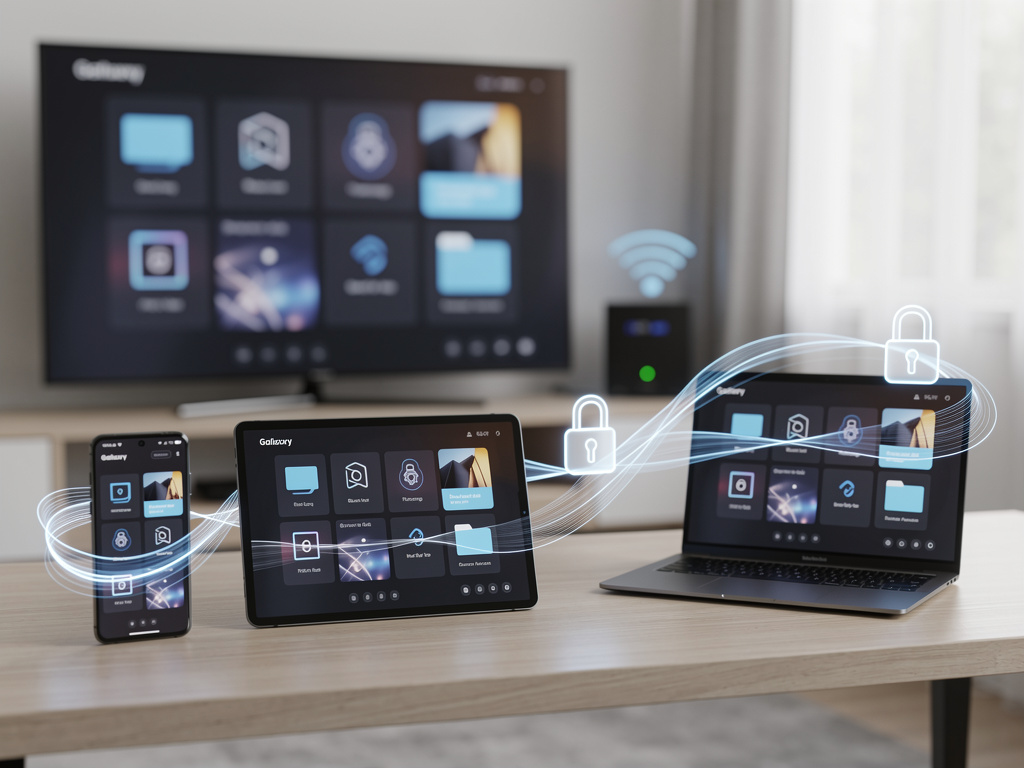
At its core, Storage Share enables users to view and interact with files from connected Samsung smartphones, tablets, and PCs through the My Files app on their primary device. This innovation not only simplifies file management but also aims to deepen user loyalty within the Samsung ecosystem. As consumers increasingly own multiple devices, the ability to treat storage as a unified resource could significantly streamline daily workflows, such as editing documents on a tablet or accessing photos from a phone while working on a laptop.
Early adopters have expressed excitement about the potential of Storage Share to enhance content creation and sharing. Users on social media platforms have highlighted how this feature allows for real-time access to files across devices, creating a seamless experience akin to having a shared hard drive.
How Storage Share Works
Storage Share leverages Samsung’s existing cloud infrastructure, primarily utilizing local network connections for enhanced speed and privacy. As detailed in a changelog leaked via SamMobile, users must be signed into the same Samsung account and connected to the same Wi-Fi network. This setup minimizes latency, making it particularly useful for collaborative work or media consumption.
One notable aspect of Storage Share is its integration with Samsung’s broader ecosystem, including smart TVs. Users can directly access files from their phones on a Galaxy TV interface, effectively bridging the gap between mobile and stationary devices. Reports from Dataconomy emphasize how this feature could transform living spaces into productivity hubs.
Moreover, while building on existing tools like Quick Share, Storage Share eliminates the need for physical file transfers. Instead, it creates a virtual bridge allowing read and write access, similar to local storage. Feedback from beta testers suggests the feature could greatly benefit creative professionals managing high-resolution files across various gadgets.
Privacy and Security Features
Privacy concerns are paramount in interconnected systems, and Samsung has addressed these with granular controls for file sharing. Users can set permissions on a per-device basis, protecting sensitive data from unintended exposure. This focus on security aligns with broader trends toward data sovereignty, particularly in light of increasing regulatory scrutiny. Insiders suggest Storage Share’s architecture is built upon Samsung’s Knox platform, which provides enterprise-grade security, making it attractive for both consumers and businesses managing multiple devices.
The update also introduces improvements to related applications, including a revamped My Files interface designed to support shared storage views. Insights from Android Central reveal enhancements such as smoother animations and improved search functions, making navigation across shared files intuitive and user-friendly.
In comparison to competitors, Storage Share positions Samsung as a leader in cross-device integration. While Apple’s Continuity features allow seamless transitions, they do not provide the same level of direct storage access without relying on iCloud. Samsung’s local sharing approach may appeal to those who prefer to avoid cloud dependencies.
Discussions among tech enthusiasts on social media have drawn parallels between Storage Share and Google’s Nearby Share, highlighting Samsung’s advantage in ecosystem depth. With the Galaxy lineup expanding to include phones, tablets, watches, and PCs, Storage Share could solidify Samsung’s foothold in the Android market.
Additionally, the feature’s launch coincides with developments related to Android 16, indicating that Samsung is aligning its software advancements with Google’s latest operating system updates. This synergy includes optimizations for battery efficiency during cross-device operations, addressing a common concern in multi-device setups.
The implications for developers are significant. With Storage Share, app creators can design experiences that seamlessly sync files across devices, fostering innovation within Samsung’s developer community. This could lead to the emergence of ecosystem-specific applications tailored for the Samsung user base.
For enterprise users, Storage Share presents new opportunities for IT departments. Companies could establish shared storage pools, facilitating collaboration without the need for third-party cloud services. Insights from industry discussions indicate that this could lower data management costs, particularly for small businesses utilizing Samsung hardware.
Despite the enthusiasm, challenges remain. The feature is currently limited to flagship models like the Galaxy S25 series, with broader availability expected in the future. This phased rollout allows Samsung to gather user feedback and refine the system before wider deployment.
As users adapt to Storage Share, it may reshape how individuals organize their digital lives, potentially extending the lifecycle of older devices by allowing them to serve as storage hubs. This behavioral shift could contribute to reducing electronic waste, a concern echoed in discussions among users.
Looking ahead, Samsung’s roadmap for One UI suggests further integrations, potentially incorporating AI-driven file management. The current beta hints at smarter suggestions in Quick Share, powered by Galaxy AI, which could evolve to anticipate user needs across devices.
Critics have noted that increased complexity might pose challenges for non-tech-savvy users. Ensuring accessibility will be crucial for the feature’s success. Reports from 9to5Google detail how the update includes tutorials and simplified setups to help mitigate these concerns.
The introduction of Storage Share may alter market dynamics, prompting competitors to accelerate their innovations. Brands such as Google and OnePlus might respond with similar features, enhancing user experience across the Android platform.
From an economic standpoint, this feature could strengthen Samsung’s value proposition, potentially increasing sales of complementary devices. Analysts predict that features like this could foster customer loyalty, making users less likely to switch brands due to the inconvenience of reestablishing their digital environments.
Feedback from beta users has been overwhelmingly positive, with many expressing excitement about the new cross-device capabilities. This enthusiasm bodes well for the stable release expected in early 2026.
In conclusion, Storage Share represents more than just a software update; it embodies Samsung’s vision for a frictionless digital experience where devices become invisible, allowing content to take precedence. As the beta evolves, it will be fascinating to observe how this feature shapes the future of personal computing.