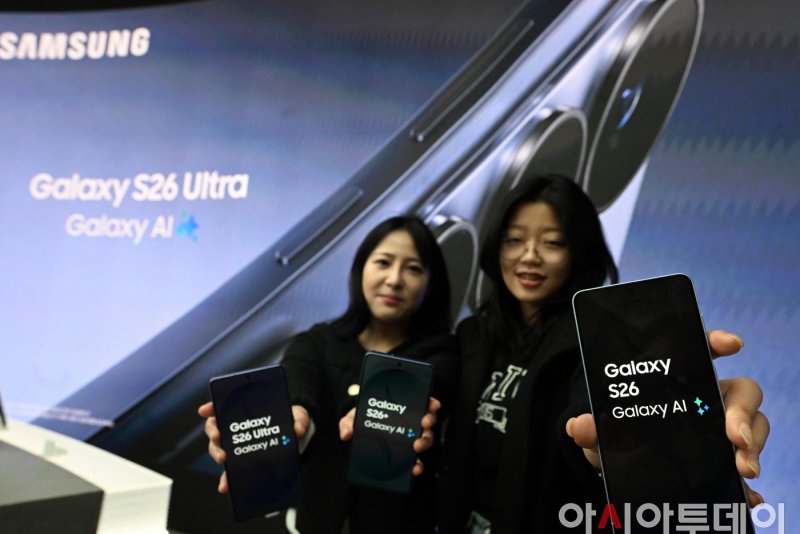
Samsung Electronics is setting ambitious sales targets for its upcoming Galaxy S26 smartphone, aiming to outpace the sales of its predecessor, the Galaxy S25. During a press briefing on February 26, 2024, in San Francisco, President Roh Tae-moon emphasized the enhanced artificial intelligence features that the new model will offer, despite a rise in retail prices.
The Galaxy S25 series, launched in 2023, reportedly saw a sales increase of 5% from the previous generation, according to market researcher Counterpoint Research. Total sales for the Galaxy S25 are estimated to be in the high 30 million range from February to December of that year. Roh expressed confidence in surpassing these figures with the introduction of the Galaxy S26, citing positive real-world user feedback as a contributing factor.
Enhanced AI Features and Pricing Strategy
Roh highlighted the advanced “agentic AI” capabilities of the Galaxy S26, which includes practical tools like Photo Assist. He noted that the integration of software and hardware has been significantly improved, incorporating features that prioritize user privacy and security. This approach has already garnered favorable responses from global partners.
In expanding its AI platform, Samsung has moved beyond its traditional offerings like Bixby and Google Gemini. The company has also developed a new AI operating system in collaboration with Google, aiming for seamless AI-driven functionalities. Roh described this as a “hybrid AI” strategy, enabling users to select optimized AI tools tailored for various tasks.
Samsung’s pricing strategy has adjusted the domestic launch prices of its Galaxy S series by up to 300,000 won, approximately $225, marking the first price increase in three years. This decision comes as the company cites rising component costs as a pressing factor.
Market Outlook amid Cost Pressures
Despite the price hikes, Counterpoint has forecasted a potential decline of about 2% in Samsung’s smartphone shipments for the year. Roh acknowledged these cost pressures but pointed out that Samsung’s long-established supply chain provides the company with necessary flexibility. He stressed the importance of innovation that sustains performance, even as the company navigates fewer components and rising costs.
“As AI evolves, the importance of devices will only grow,” Roh stated, reinforcing the idea that smartphones will continue to serve as the primary interface for users to generate data and engage with AI services. This forward-looking perspective positions Samsung as a key player in the competitive smartphone market, with a clear focus on leveraging AI to enhance user experience while adapting to economic challenges.