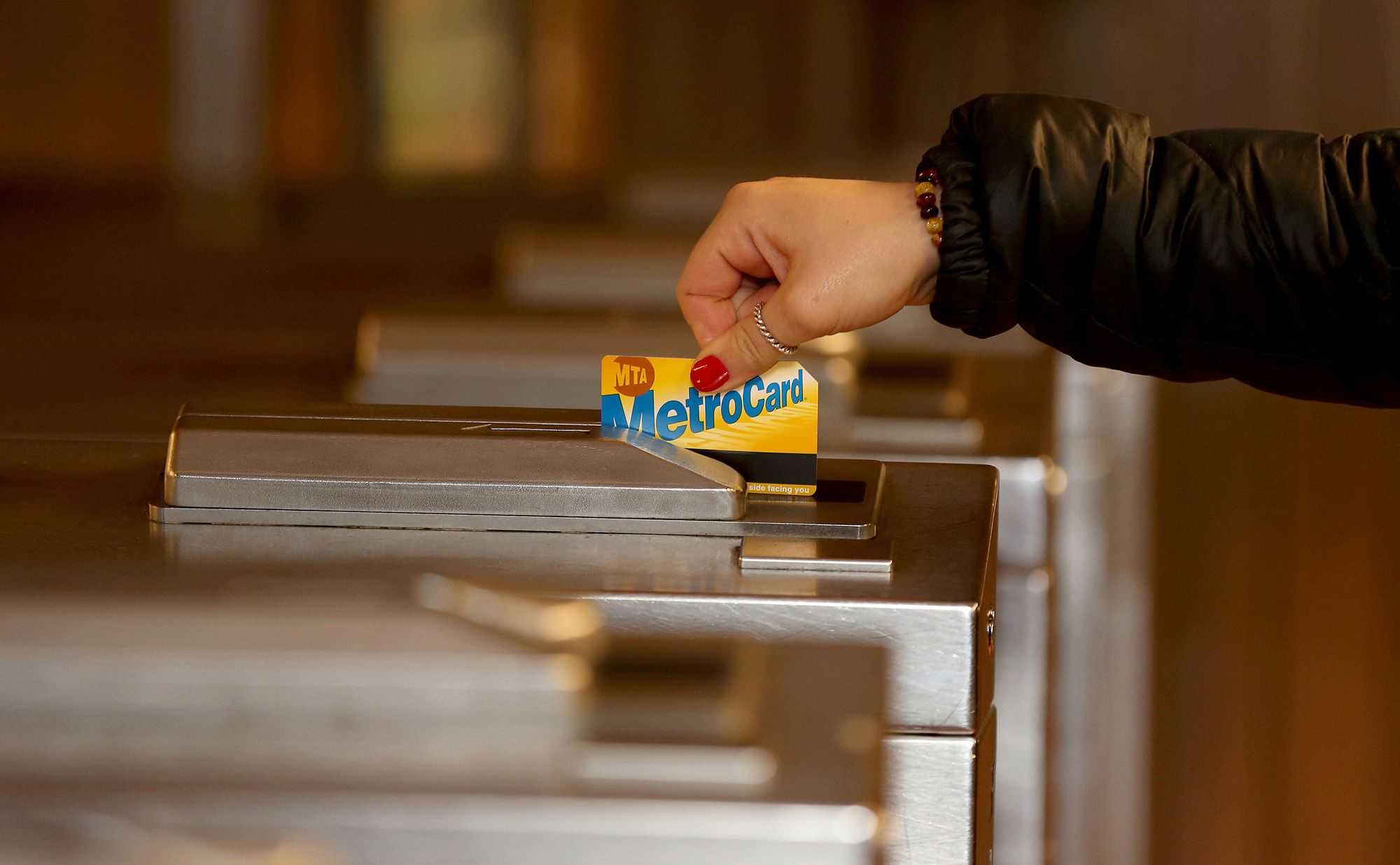
New York City is preparing to retire its iconic MetroCard, marking the end of an era for both residents and visitors. Starting from January 1, 2024, the Metropolitan Transit Authority (MTA) will cease the sale of MetroCards, transitioning riders to the new OMNY system, a contactless fare payment method. Although existing MetroCards will remain valid for a limited time, the MTA has not yet announced the final date for their acceptance.
Transition from Tokens to MetroCards
For over three decades, the MetroCard has been a staple of New York City’s public transport system. Before its introduction, subway tokens served as the primary means of fare payment since their rollout in 1953. Tokens were simple to use, requiring passengers to drop them into turnstiles or fareboxes. However, the MTA faced challenges in adjusting fare collection systems as token usage declined. In 1983, then-commissioner Richard Ravitch proposed a shift to a magnetic stripe card system, inspired by similar implementations in other major cities.
The introduction of the MetroCard in 1994 represented a significant technological advancement. It offered riders greater flexibility by allowing them to choose from various fare options, including discounts for seniors and unlimited ride options. Additionally, the MetroCard provided a major benefit over tokens: free transfers between buses and subways.
A Cultural Icon and Collector’s Item
As the MetroCard became integral to New York life, it also evolved into a collector’s item. The MTA released around 400 commemorative cards since the launch, featuring designs that celebrate significant events and promotions. Jodi Shapiro, curator of the FAREwell MetroCard exhibit at the New York Transit Museum, noted that the MetroCard was designed to be collected, with many New Yorkers eagerly waiting in long lines for limited editions.
One avid collector, Mike Glenwick, has amassed nearly 100 unique MetroCards. He began his collection with a card featuring the New York Rangers after their 1994 Stanley Cup victory. Glenwick expressed nostalgia about the impending transition, stating, “I feel like part of my childhood is disappearing… I don’t want to let it go until I have to.”
Another New Yorker, artist Thomas McKean, has transformed his collection into art. Initially inspired during a subway ride without reading material, he began creating intricate designs from MetroCards. His work has gained attention, being featured in exhibits and publications, showcasing the creative potential of this once-humble transit card.
The Future: Embracing OMNY
The OMNY system, short for One Metro New York, will replace the familiar swipe with a tap-and-go method, utilizing smartphones, smartwatches, or credit cards for fare payment. Currently, riders can purchase OMNY cards for $1 at vending machines and select retailers across the city. Despite the convenience, concerns remain about the potential exclusion of unbanked individuals as the MTA moves toward a cashless system.
According to Shanifah Rieara, MTA’s Chief Customer Officer, “While there’s no doubt the MetroCard will remain an iconic New York City symbol, tap-and-go fare payment has been a game changer for everyday riders and visitors.” The MTA anticipates annual savings of $20 million from reduced production and distribution costs associated with the MetroCard.
As New Yorkers prepare to say goodbye to the MetroCard, its legacy as a cultural artifact and a functional piece of the city’s transit infrastructure endures. While the transition to OMNY promises efficiency and modernity, many will cherish the memories associated with the blue and yellow card that has been a gateway to the city for millions.