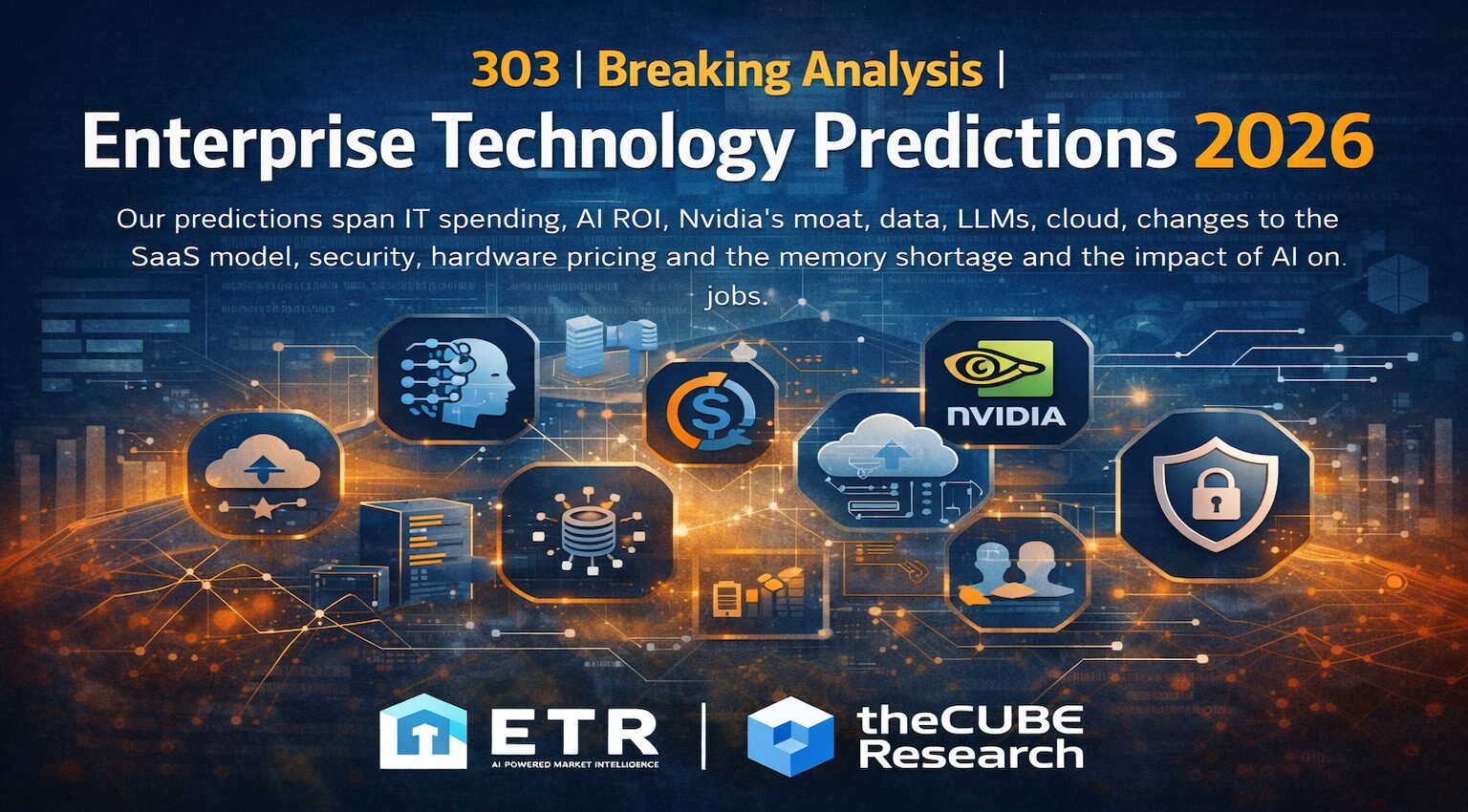
As we approach 2026, experts are forecasting significant shifts in enterprise technology, offering ten key predictions based on comprehensive data analysis. This year’s insights stem from a collaboration between Enterprise Technology Research (ETR) and industry analysts, who evaluated trends in IT spending and artificial intelligence (AI) adoption among over 1,700 technology leaders.
In recent years, organizations have grappled with fluctuating IT budgets due to rising interest rates and ongoing geopolitical tensions. The latest ETR survey suggests that IT budgets are expected to increase by approximately 5% in 2026. Notably, large enterprises exhibit a more cautious approach, anticipating budget growth of less than 4%. In contrast, executives from the C-suite and the Asia-Pacific region exhibit greater optimism, with spending plans indicating a robust recovery in organizational confidence.
The first prediction highlights that 2026 will be the year enterprises begin to see substantial returns on investment from AI initiatives. Previous expectations of elusive ROI are shifting, with signs of increased productivity and a growing number of organizations actively measuring AI’s impact. The share of companies not measuring ROI has decreased from 27% to 18%, indicating a positive trend towards accountability and cost control.
A notable prediction involves Nvidia Corp., which is expected to solidify its dominance in the GPU market. Following its recent disclosures at the CES, Nvidia’s new production capabilities promise to dramatically reduce costs per token. This will likely lead to a surge in demand, with projections suggesting a 15X increase in consumption as prices decline.
The data also points to a significant trend where enterprises will increasingly favor existing database platforms when developing AI applications. Major incumbents like Snowflake and Microsoft are predicted to benefit from this trend as organizations recognize the advantages of integrating AI capabilities within established ecosystems.
As the year unfolds, the transition towards an AI-driven SaaS monetization model is anticipated to reshape traditional licensing structures. The emergence of AI technologies has prompted a reevaluation of how software usage is charged, moving from a seat-based model to outcome-based pricing that aligns more closely with customer value.
Security experts warn of a new class of breaches in 2026, where incidents may not involve stolen human credentials. Instead, coordinated attacks across multiple SaaS platforms could occur, driven by AI agents exploiting vulnerabilities in systems. This prediction underscores the need for organizations to adopt identity-first security measures to protect against these emerging threats.
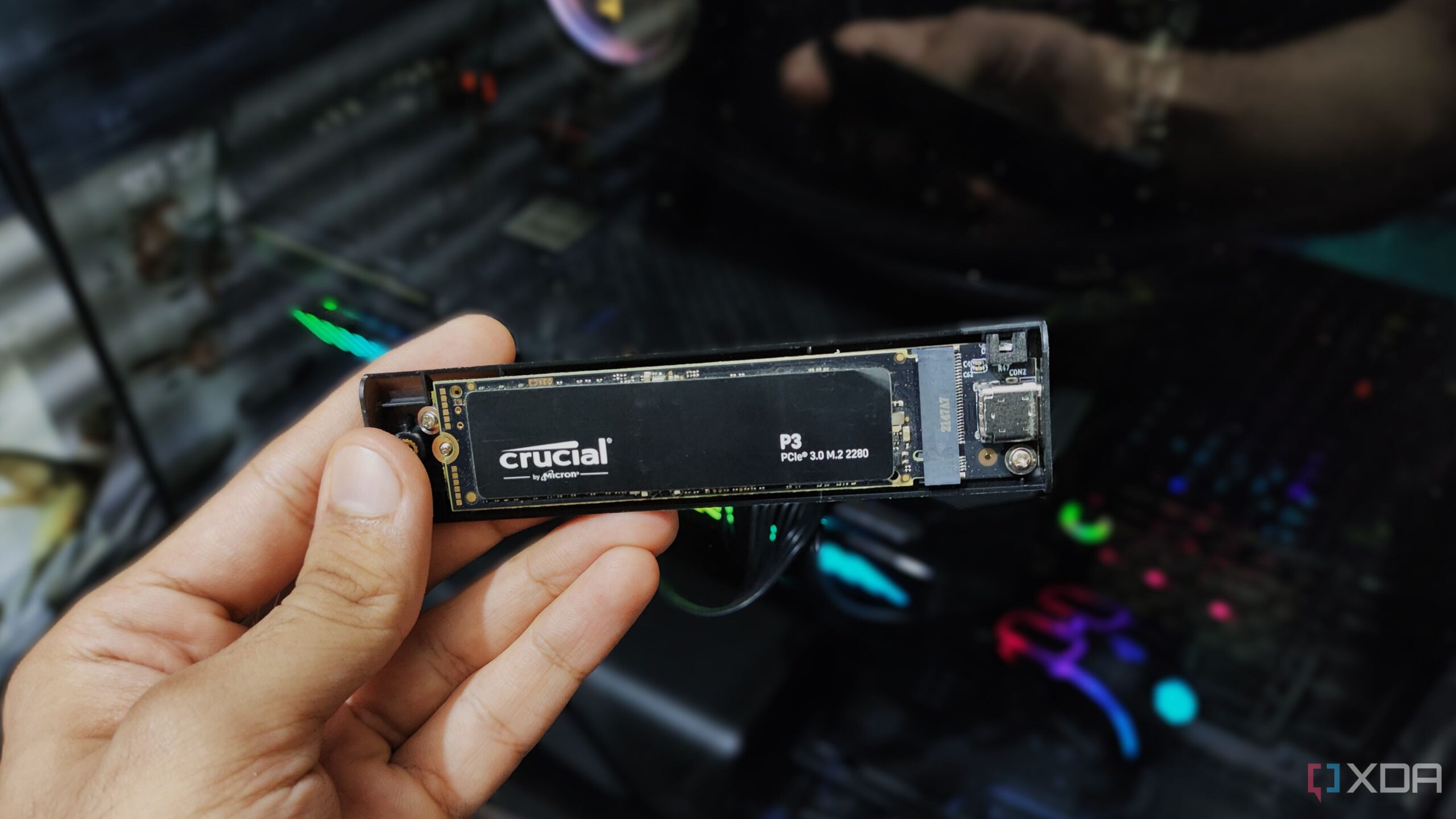
Hardware pricing is another area expected to remain elevated, largely due to a persistent memory shortage and the continued demand from data centers. This trend may constrain refresh cycles and increase costs for organizations aiming to upgrade their technology infrastructure.
Finally, a shift in the labor market is anticipated as AI’s impact on employment becomes more visible. While blue-collar jobs related to data center operations are expected to grow, many enterprises are likely to limit hiring in white-collar roles due to increased automation. Data from the ETR indicates that 30% of organizations are already planning to restrict headcount because of AI, with this figure rising notably among larger firms.
As we look to 2026, these predictions paint a picture of a rapidly evolving enterprise technology landscape, marked by increased investment in AI, shifts in labor dynamics, and heightened security challenges. The insights provided by ETR not only guide organizations in their strategic planning but also highlight the necessity for adaptability in a changing technological environment.