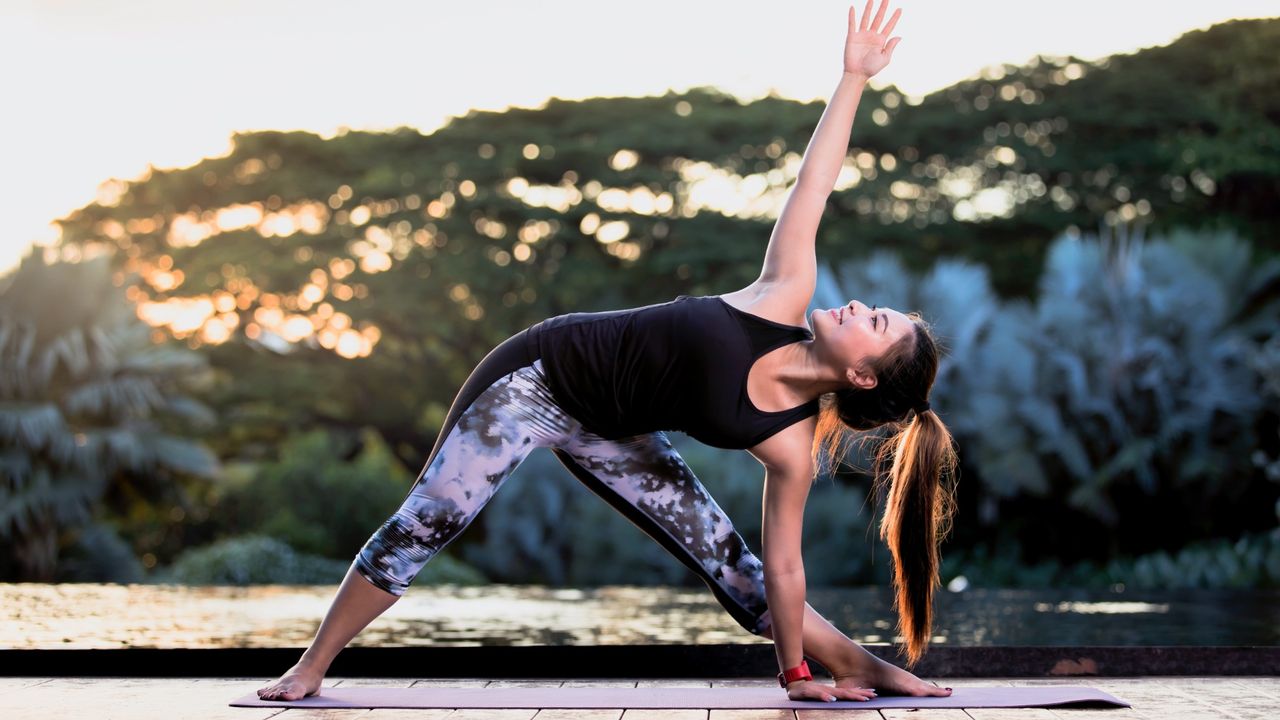
A two-week commitment to practicing the triangle pose in yoga yielded significant improvements in flexibility and mobility for one individual. Initially skeptical about yoga, the participant found renewed motivation after the birth of their first child eight months prior, prompting a desire to enhance overall mobility. This experiment focused solely on the triangle pose, which was performed daily over the course of two weeks.
Understanding the Triangle Pose
The triangle pose, known for its ability to stretch various muscle groups, requires no special equipment, although a yoga mat can provide comfort and grip. For those with limited mobility, a yoga block can assist in achieving the proper form. The steps to perform the triangle pose include standing with feet wide apart, turning the right foot outward, and engaging the core while reaching toward the right ankle with the right arm and extending the left arm upwards.
As a beginner, the participant started by holding the pose for 20 seconds on each side and gradually increased the duration to 45 seconds by the end of the two weeks. This progression highlighted several unexpected benefits.
Key Benefits Observed
One of the first challenges encountered was the need to modify the pose. While the triangle pose appears straightforward, achieving the correct form proved difficult due to a lack of flexibility. Using a yoga block enabled the participant to perform the pose with better alignment and gradually eliminate the block as flexibility improved. This experience underscores the importance of utilizing supportive tools to enhance practice, particularly for those new to yoga.
The most notable change was the decrease in lower back stiffness. The participant had a history of lower back pain, exacerbated by postpartum recovery. Incorporating the triangle pose into daily routines significantly alleviated discomfort. Following the experiment, they noted an improvement in running, with reduced tightness and tenderness in the lower back—a welcome relief.
Additionally, the triangle pose contributed to greater mobility in the hips, chest, and shoulders. The participant’s postpartum lifestyle, which involved extended periods of sitting and carrying a baby, had led to tightness in these areas. The triangle pose not only stretched the lower body but also opened up the upper body, improving posture and alignment.
Another benefit observed was an enhancement in deadlift performance. The triangle pose helped the participant correct their form, allowing for better engagement of the glutes and a more effective hip hinge. These improvements were even noted by their physical therapist, highlighting the connection between mobility and exercise technique.
Overall, this two-week experiment with the triangle pose exemplifies how a simple daily commitment can lead to significant physical changes. By focusing on one pose, the participant not only improved flexibility but also alleviated discomfort and enhanced their overall workout performance. Such experiences serve as a reminder of yoga’s potential benefits, even for those who may be initially resistant to its practice.
Ultimately, this exploration into the triangle pose showcases the value of integrating yoga into a fitness routine, particularly for those seeking to enhance mobility and reduce pain.