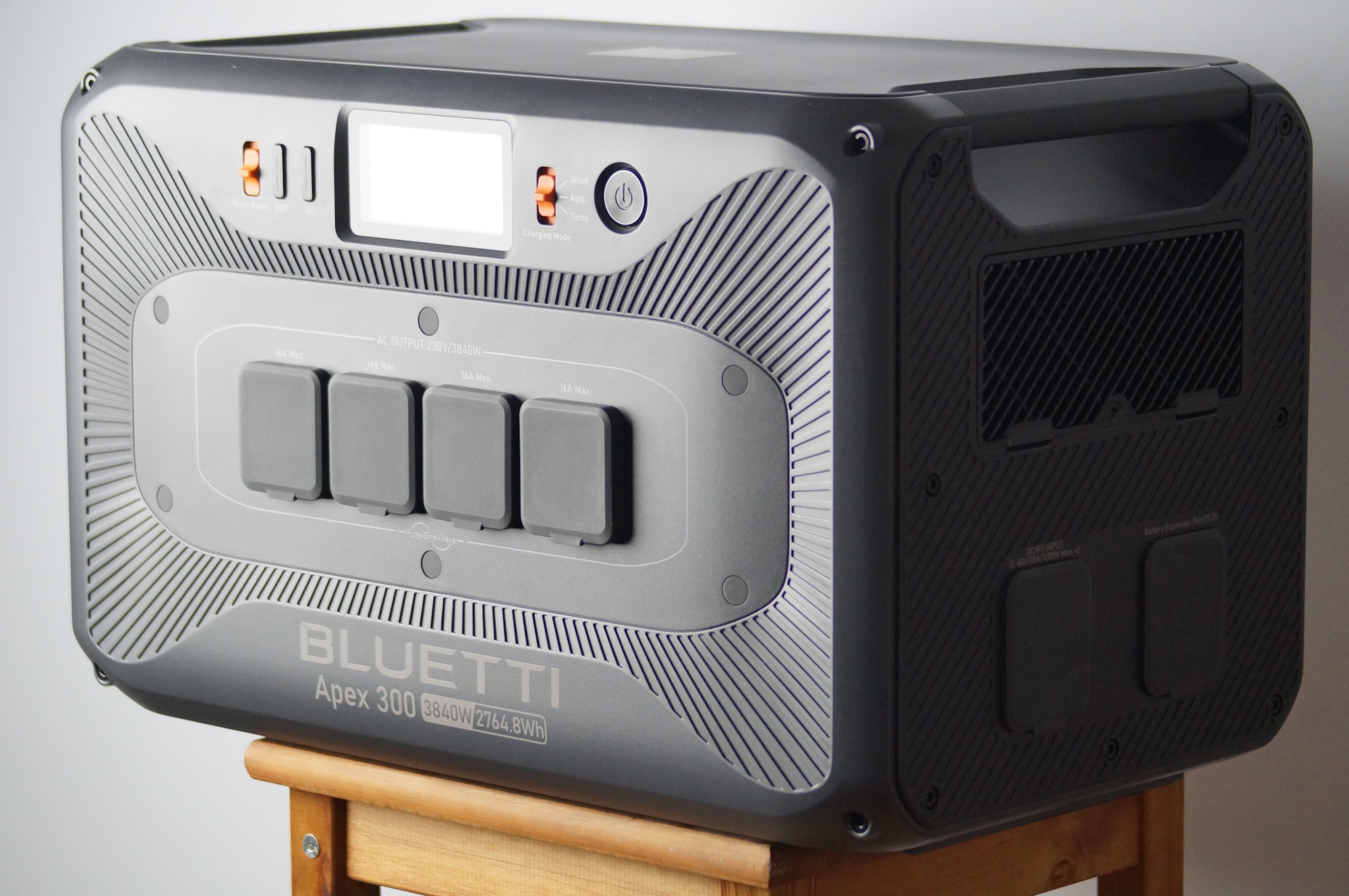
As 2025 approaches, the demand for portable power stations continues to grow, driven by the increasing reliance on electronic devices for both recreational and emergency use. Whether for camping trips, tailgating, or powering essential devices during outages, choosing the right portable power station can be challenging. A curated list of the best options available serves to guide consumers in making informed decisions based on their specific needs and budgets.
Top Picks for Every Budget
According to a recent report by Consumer Reports, the market offers a variety of portable power stations that cater to different price points and functionalities. The top selections include brands like Jackery, Goal Zero, Bluetti, and EcoFlow, each known for their reliability and performance.
For those looking for an economical choice, the Jackery Explorer 300 stands out. Priced around $249, this lightweight option provides a capacity of 293 watt-hours, making it suitable for charging smaller devices like phones and tablets. It features multiple output ports, including USB-C and AC outlets, enhancing its versatility.
In the mid-range segment, the Goal Zero Yeti 500X is a compelling option at approximately $699. This power station offers a larger capacity of 505 watt-hours and can power devices such as laptops and small appliances. Its robust design and solar charging capability make it an ideal choice for outdoor enthusiasts.
For those seeking high performance, the Bluetti AC200P is priced at about $1,399 and boasts an impressive capacity of 2,000 watt-hours. This power station can handle a wide range of devices, from kitchen appliances to power tools, making it a favorite among serious campers and off-grid users.
Choosing the Right Features
When selecting a portable power station, it’s essential to consider several factors, including capacity, weight, and the number of output ports. Understanding how you intend to use the power station will guide your decision.
Capacity is particularly important: a higher watt-hour rating allows for prolonged usage and the ability to power larger devices. For instance, a unit with 1,000 watt-hours can run a mini fridge for around eight hours, depending on the model and energy consumption.
Weight is another critical consideration, especially for those who plan to transport their power station frequently. Many models range from under 5 kg for smaller units to over 20 kg for high-capacity ones, impacting portability.
Lastly, the variety of output options can greatly enhance usability. Most modern power stations offer a mix of AC, USB, and DC outputs, enabling users to charge multiple devices simultaneously. Some models even include wireless charging pads, adding a layer of convenience.
In summary, as consumers prepare to invest in portable power solutions for 2025, a diverse range of options is available to fit various needs and budgets. With the right knowledge, selecting the ideal power station can lead to a more enjoyable and hassle-free experience, whether at home or in the great outdoors.