The debate surrounding General Motors’ V8 engines, particularly the 5.3-liter and 6.2-liter variants, has gained traction among automotive enthusiasts and consumers alike. While the primary distinction between these two engines is indeed their displacement—0.9 liters—the differences extend far beyond this simple metric. Understanding these variations can significantly impact buyers looking for performance and efficiency in GM’s truck offerings.
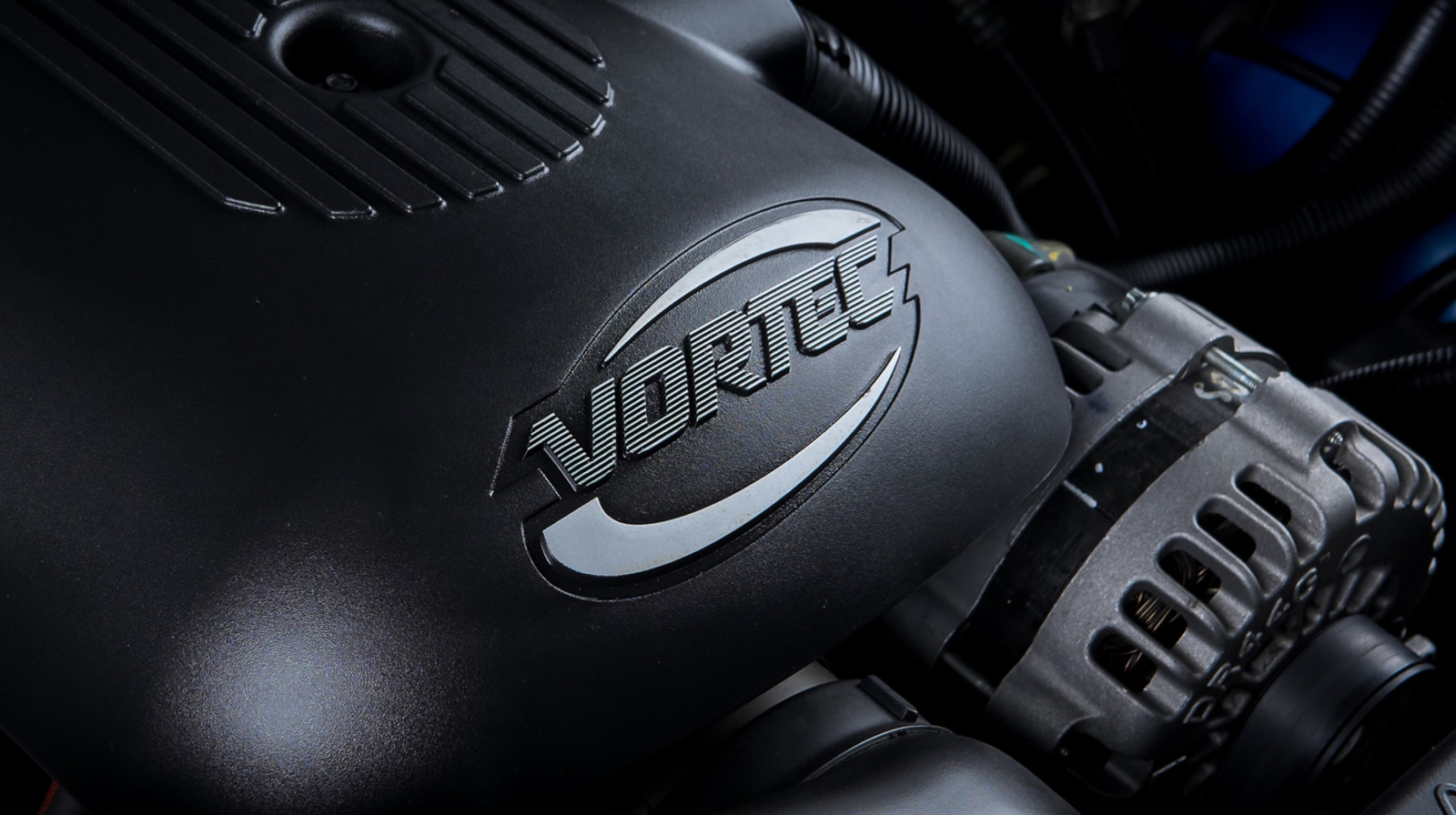
Both engines belong to GM’s family of truck engines, historically branded as Vortec and more recently as EcoTec3. The 5.3-liter V8, known by its internal code LM7, debuted in 1999, while the 6.2-liter V8 made its entrance in 2007, initially powering the luxurious Cadillac Escalade. Each engine has undergone several iterations, but the core differences in design, performance, and technology are key considerations for potential buyers.
Engine Construction and Material Differences
When examining the construction of these engines, it is essential to note that while the early iterations of the 5.3-liter engine featured iron blocks, the majority of its variants are built with aluminum. Specifically, only five models—the LM7, L59, LY5, LMG, and LMF—utilize iron blocks. In contrast, all 6.2-liter engines are constructed from aluminum, apart from aftermarket options like the LSX376. This difference in materials contributes to the overall weight and efficiency of the engines.
The 5.3-liter engines have a range of compression ratios from 9.5:1 for earlier models to 11:1 for the latest EcoTec3 versions. In comparison, the 6.2-liter engines typically have a compression ratio of 11.5:1, enhancing their power output. The advancements in both engine families reflect GM’s commitment to improving fuel efficiency while maintaining performance.
Performance Characteristics: Cams, Compression, and Head Flow
The performance of the 5.3-liter engine is often characterized by its tuning, which emphasizes low-end torque. For instance, a stock LM7 engine can deliver up to 384 pound-feet of torque at 4,300 rpm. In contrast, the 6.2-liter engine boasts more aggressive cam profiles and higher compression ratios, enabling it to produce an impressive 460 pound-feet of torque at 4,100 rpm.
The head designs also play a crucial role in the engines’ performance. The 5.3-liter features “cathedral ports,” while the 6.2-liter engines are equipped with rectangular ports that allow for better airflow. This difference was highlighted in a study conducted by Hot Rod, which found that the rectangular port heads could flow significantly more air, thereby enhancing performance.
For those considering upgrades, it is important to note that while the 6.2-liter heads cannot be directly swapped onto a 5.3-liter engine due to size constraints, enthusiasts can opt for aftermarket components to enhance performance.
In terms of fuel requirements, the 5.3-liter engines can efficiently run on 87 octane fuel, while the 6.2-liter engines are optimized for 91 octane, although they can tolerate lower grades at the cost of reduced power and efficiency.
Variations and Options
The 5.3-liter engine lineup includes various RPO codes, such as LM7, L59, and L84, with power outputs ranging from 270 hp to 355 hp. The addition of flex-fuel capability and technologies like active fuel management (AFM) in later models further diversify the engine’s appeal. The EcoTec3 versions of the 5.3-liter engine also feature direct injection for improved efficiency.
On the other hand, the 6.2-liter variants, such as the L86 and L87, have reached power outputs of up to 420 hp and 460 pound-feet of torque, showcasing the advancements made in performance technology. The introduction of variable valve timing (VVT) and direct injection has contributed to these impressive figures.
While both engines serve different market segments, understanding their differences can assist consumers in making informed decisions based on their performance needs and preferences. As GM continues to innovate and refine its engine offerings, the evolution of the 5.3-liter and 6.2-liter V8 engines highlights the company’s commitment to enhancing driving experiences across its vehicle lineup.