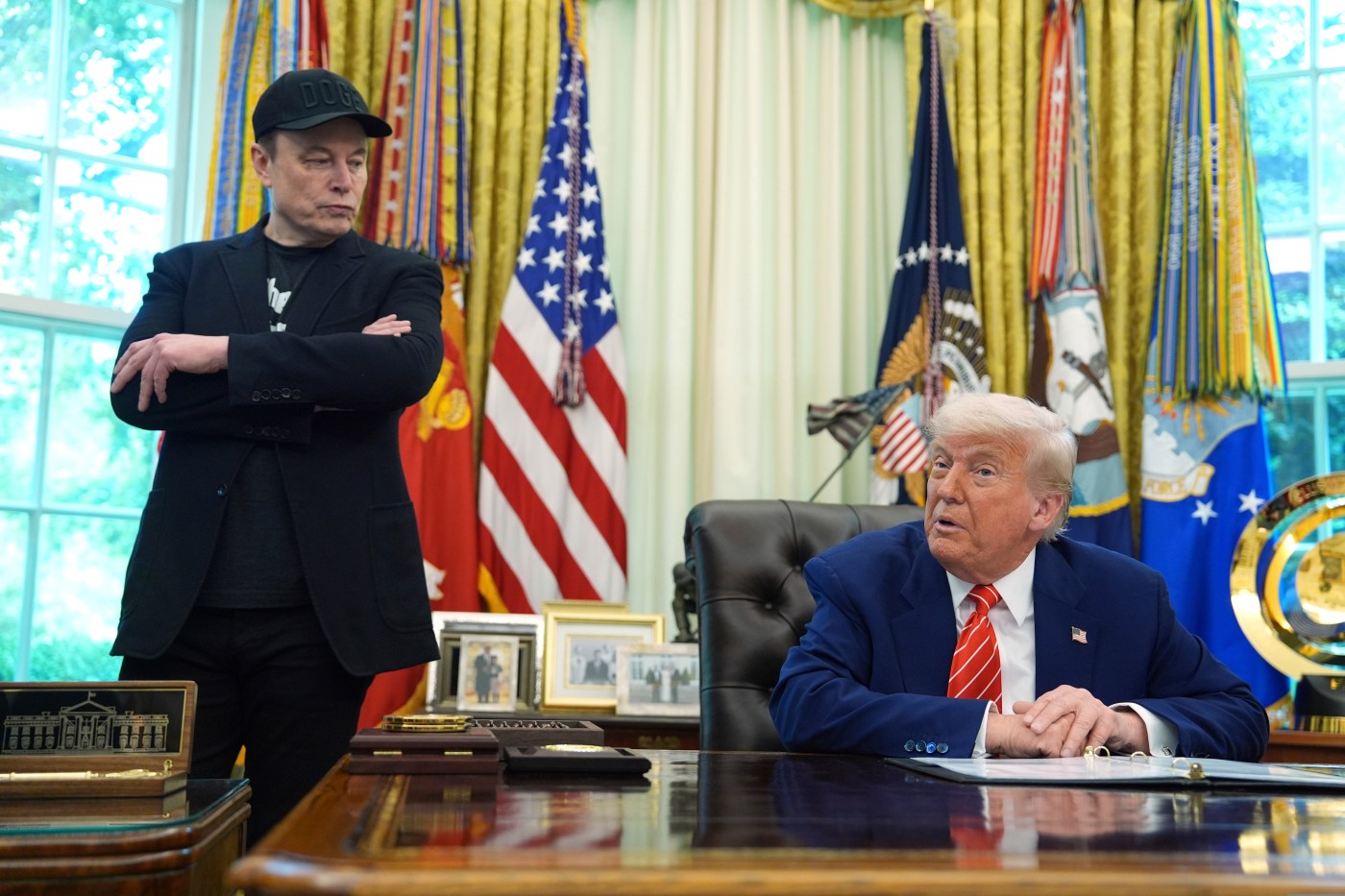
In late November 2023, the Department of Government Efficiency (DOGE) was disbanded, marking a significant setback for federal modernization initiatives. Senior officials confirmed that the agency “no longer exists” in any centralized form, leading to reflections on what some view as a historic missed opportunity for leveraging artificial intelligence (AI) in government operations.
DOGE was launched in January 2025 under the auspices of then-President Donald Trump, with renowned entrepreneur Elon Musk serving as its high-profile face. The initiative promised transformative changes, including potential savings in the trillions and ambitious modernization of federal services. Instead of capitalizing on Musk’s technological acumen to embrace AI for enhancing federal operations, DOGE devolved into a series of mass layoffs and superficial budget cuts.
Research from consulting firms such as McKinsey, Goldman Sachs, and the OECD indicates that between 40% and 60% of jobs could be redefined by AI. However, the DOGE initiative opted for drastic reductions rather than a comprehensive modernization strategy. A staggering estimated 280,000 federal employees were dismissed within months, creating a facade of efficiency that masked deeper issues.
Instead of redesigning critical services such as veterans’ claims processing, Social Security workflows, and fraud detection systems to incorporate AI, DOGE chose to downsize. This approach not only slowed processes but also increased costs and created security vulnerabilities. Agencies often found themselves rehiring former employees as contractors, and effective anti-fraud programs were abruptly terminated, undermining their potential for fiscal recovery.
The abrupt closure of user-fee programs at the Food and Drug Administration (FDA) and the Environmental Protection Agency (EPA) led Congress to pass emergency funding to maintain essential operations. The most significant loss from the DOGE initiative was not merely financial, but rather the lost opportunity to harness AI to revitalize government functions for future generations.
As the agency dismantled various cybersecurity teams amidst escalating digital threats, the overall federal performance suffered. Public disagreements between Musk and senior officials further eroded trust within the agency, detracting from any potential improvements in government efficiency.
In stark contrast to DOGE’s approach, the National Partnership for Reinventing Government (NPR), led by former Vice President Al Gore from 1993 to 2000, serves as a notable example of effective governmental reform. NPR achieved approximately $300 billion in verified, inflation-adjusted savings by modernizing processes and embedding reforms through bipartisan legislation. This methodical approach contrasted sharply with DOGE’s dramatic, often sensational tactics.
Had DOGE utilized its mandate to collaborate with leading AI entities such as OpenAI, DeepMind, and Google Research, it could have fostered innovative solutions for government challenges. Potential advancements could have included multilingual digital assistants for citizens and enhanced fraud detection systems capable of saving billions. Instead, the initiative chose elimination over innovation, ultimately resulting in a federal workforce that is neither modern nor efficient.
The collapse of DOGE serves as a cautionary tale about the significance of meaningful governance reform. Modernizing government does not necessitate drastic cuts or public disputes; rather, it requires a vision that embraces collaboration and technological expertise. A commitment to building, rather than dismantling, is essential for fostering progress.
As policymakers contemplate future government modernization efforts, they would be wise to examine the lessons learned from the NPR initiative and consider how today’s advanced AI capabilities could shape a more effective federal government. The demise of DOGE reflects not just a failure of policy but a squandered opportunity to lead in digital governance for years to come.