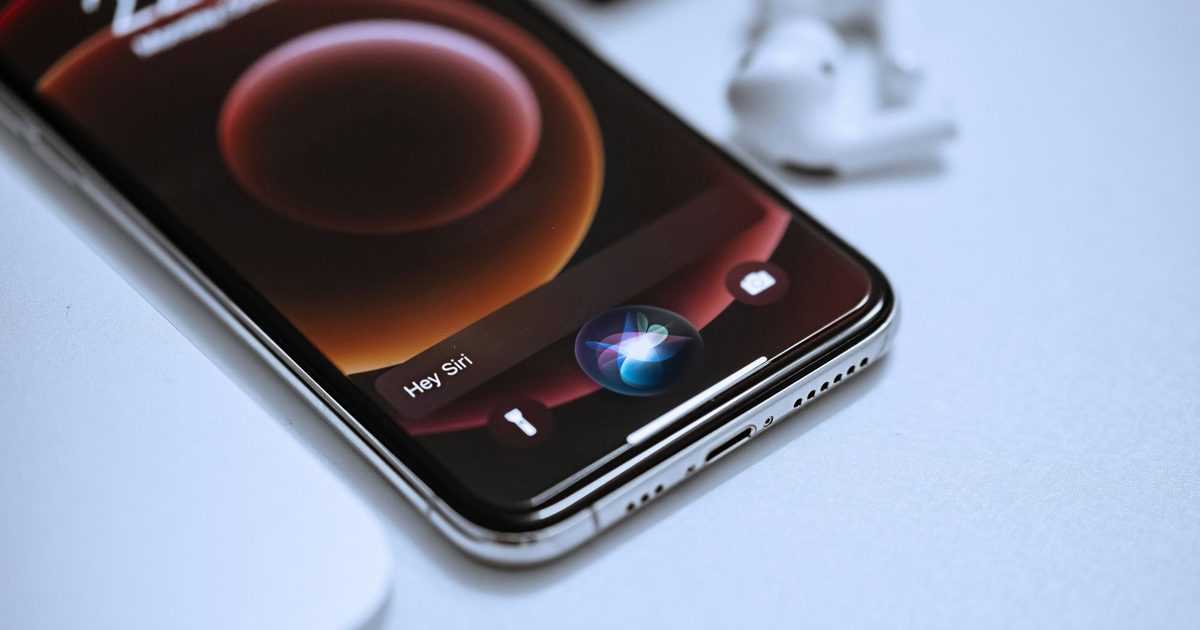
Apple is set to transform Siri into a comprehensive AI chatbot later this year, aiming to compete with established players like OpenAI and Google. This significant change comes after years of the company lagging in the generative AI space. According to Bloomberg, Apple plans to utilize Google’s Gemini technology to power this overhaul.
The project, internally referred to as Campos, is expected to completely redefine Siri’s functionality. Users will still activate the assistant by saying “Hey Siri” or holding the side button, but the interaction will mirror that of a conversational chatbot. This new version of Siri is designed to facilitate more natural communication, allowing users to type or speak back and forth seamlessly.
Features and Integration of the New Siri
The revamped Siri will be deeply integrated into Apple’s upcoming operating systems: iOS 27, iPadOS 27, and macOS 27. Unlike its current form, which operates primarily as a standalone app, the new Siri aims to offer a richer experience. Users can expect enhanced capabilities such as web searching, content creation, image generation, summarizing information, and analyzing uploaded files.
Moreover, the AI will work closely with Apple’s core applications, enabling users to execute tasks like editing photos through voice commands, drafting emails that consider calendar events, and locating specific files or messages with increased efficiency. This level of integration represents a significant evolution from the current Siri functionality.
Timeline and Future Developments
Apple is anticipated to unveil the new Siri at the upcoming Worldwide Developers Conference (WWDC) in June, showcasing it as a key feature of iOS 27 and macOS 27. A broader rollout is expected to follow in September. Before this major update, Apple will issue a more limited update to Siri and Apple Intelligence with iOS 26.4 this spring. This interim update aims to enhance Siri’s intelligence using Google’s Gemini models while maintaining the current interface.
The scope of this overhaul indicates the increasing pressure on Apple to innovate in the area of conversational AI. Competitors have been embedding such technology into their platforms, leaving Apple with little choice but to significantly upgrade Siri to remain relevant in the evolving landscape of artificial intelligence. While Apple has not publicly commented on the planned changes, the forthcoming updates suggest a strategic pivot to reclaim its position in the AI sector.