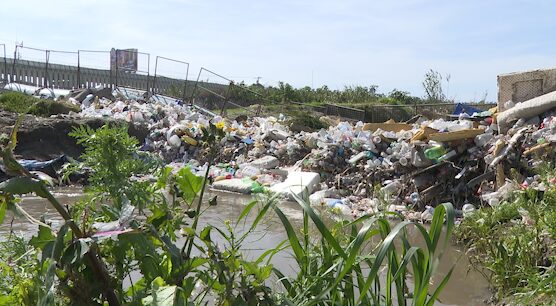
A collapsed pipe has released over 11.5 million gallons of toxic wastewater into the Tijuana River Valley. The urgent repairs have been completed, but significant concerns about the environmental impact persist.
The rupture occurred on March 10, 2024, prompting immediate action from local authorities and the Environmental Protection Agency (EPA). Crews worked around the clock to contain the spill and repair the damaged infrastructure. The pipe, which is a critical component of the region’s wastewater management system, had been in service for several years prior to this incident.
Authorities reported that the wastewater overflow primarily affected the Tijuana River, a crucial waterway that flows into the Pacific Ocean. The spill raised alarms among environmentalists and local residents, who have long expressed concerns about pollution in the area.
Environmental Impact Under Scrutiny
Despite the swift repairs, the environmental ramifications of the spill are still under investigation. Local environmental groups have called for a thorough assessment of the damage to the river ecosystem. They emphasize that the release of such a substantial volume of toxic wastewater could have long-lasting effects on wildlife and water quality.
According to a statement from the EPA, “We are closely monitoring the situation and conducting tests to evaluate the water quality in the Tijuana River and surrounding areas.” The agency is also coordinating with local governments to ensure that necessary measures are taken to prevent future incidents.
The Tijuana River has been a focal point for discussions on border pollution, especially due to its proximity to the United States. Environmental activists argue that incidents like this highlight the need for improved infrastructure and stricter regulatory oversight to protect both human health and the environment.
Community Response and Future Actions
Community members have voiced their frustration over the repeated environmental issues linked to the Tijuana River. The latest spill has reignited calls for accountability from local government and federal agencies. “We cannot keep allowing these events to happen without serious repercussions,” stated a representative from a local environmental group.
In response to the spill, authorities are planning a series of public forums to address community concerns and outline steps for prevention. These discussions aim to engage residents in the conversation about local environmental health and infrastructure needs.
Repairing the pipe was only the first step; ongoing monitoring and proactive measures will be essential to safeguard the Tijuana River Valley from future pollution incidents. As investigations continue, stakeholders remain hopeful that lessons learned from this incident will lead to better practices and a healthier environment for the community.