A recent study has established a connection between maternal genetics and the risk of pregnancy loss, marking a significant advancement in reproductive health research. Conducted by a team led by Rajiv McCoy, an associate professor of biology at Johns Hopkins University, the research highlights genetic variants linked to chromosomal abnormalities that can lead to miscarriage.
Approximately half of pregnancy losses during the first trimester are attributed to a condition known as aneuploidy, where cells possess an abnormal number of chromosomes. This condition is particularly prevalent in egg cells compared to sperm cells and becomes increasingly common as a woman ages. Aneuploidy can result in infertility, pregnancy loss, and genetic disorders in children, some of which can lead to severe disabilities or death.
Despite the known impact of aneuploidy, the specific genetic factors that increase the likelihood of producing aneuploid eggs have remained poorly understood. McCoy and his colleagues sought to fill this knowledge gap in their study, published in January 2026 in the journal Nature. They analyzed clinical genetic testing data from over 139,000 embryos created through in vitro fertilization (IVF), involving 22,850 mothers aged between 20 and 56 years, with an average age of approximately 36.
McCoy noted, “We previously didn’t have any very well-characterized associations between genetic variation in the mother’s genome and risk of producing eggs with aneuploidy.” To investigate this, the researchers conducted genome-wide association studies, seeking statistical links between maternal genetic variants and the occurrence of aneuploid embryos.
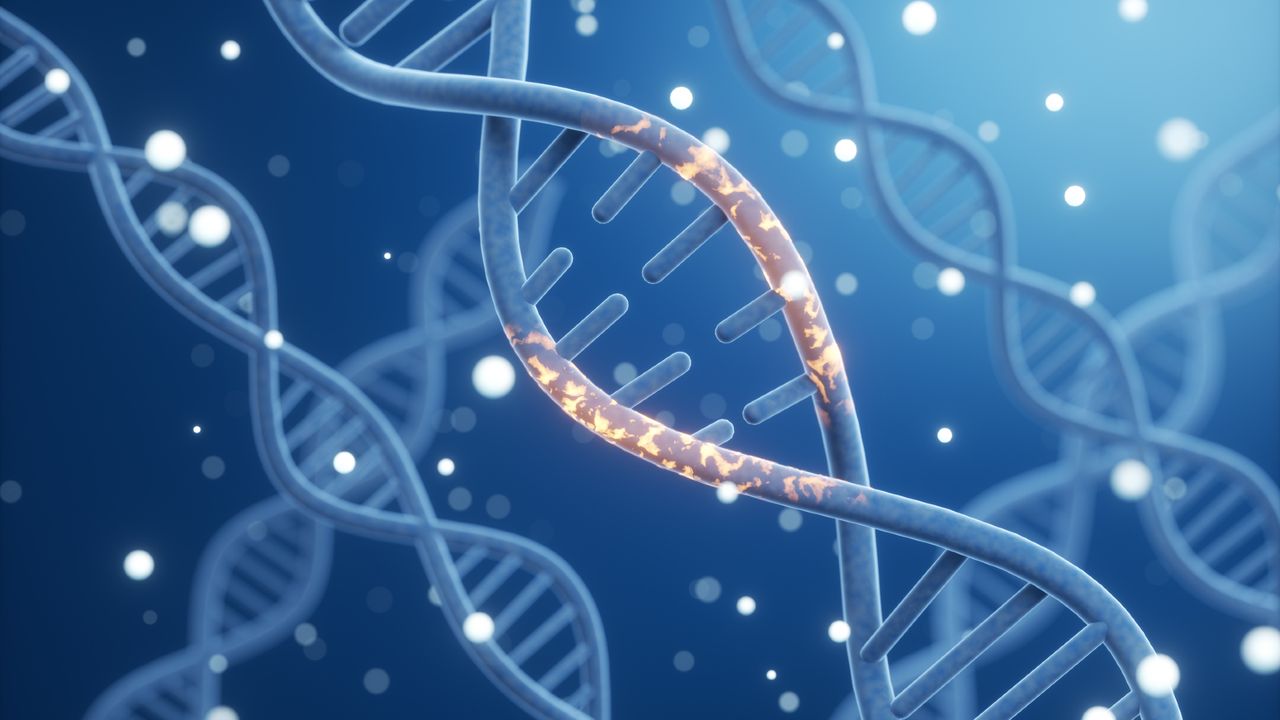
The findings revealed significant associations with specific variants of the SMC1B gene, which encodes a protein crucial for chromosome cohesion, and the C14orf39 gene, which facilitates critical interactions between chromosomes during cell division. The study also examined the transcriptome—RNA within cells that conveys instructions for protein synthesis, offering insights into gene activity.
One of the critical discoveries was the relationship between aneuploidy and “crossover recombination,” a process during which chromosomes exchange DNA segments when forming egg or sperm cells. McCoy’s team found that the count of crossovers was lower in aneuploid embryos, supporting previous research linking errors in crossover recombination to increased aneuploidy risk. Notably, the study revealed that genetic variants associated with aneuploidy risk are also involved in crossover recombination processes.
“This helps us understand how all of these traits are tied together,” commented Shai Carmi, a professor of computational and statistical genetics at the Hebrew University of Jerusalem, who was not involved in the study. He highlighted the importance of identifying risk factors contributing to higher aneuploidy rates, which could ultimately impact fertility.
Miscarriages are a common occurrence, with estimates suggesting that 10% to 20% of clinically recognized pregnancies end in loss. McCoy stated, “We actually think that about half of all conceptions are lost before birth, many of them very early on in development.” By uncovering the genetic basis linking crossover recombination and aneuploidy, the study emphasizes the vital role that crossovers play in ensuring the correct number of chromosomes in viable eggs.
While the genetic variants linked to aneuploidy can only account for a small portion of an individual’s overall risk, McCoy remains optimistic about future applications of this research. “That doesn’t mean that it’s not possible, in the future, to get better predictions of people’s risk,” he said, indicating that this study could lay the groundwork for developing therapies and diagnostics to reduce pregnancy loss.
The research not only enhances understanding of the mechanisms behind pregnancy loss but also contributes to a broader comprehension of human genetics. McCoy noted, “I personally think that the value of this study is more fundamental. It’s helping us understand who we are as humans.”