Robbyant, a company specializing in embodied artificial intelligence and an affiliate of Ant Group, has launched the open-source version of its LingBot-VLA model. This vision-language-action (VLA) model is designed to function as a “universal brain” for robotics, aiming to streamline the deployment process in real-world applications. The announcement was made in October 2023, marking a significant advancement in the field of robotics.
The introduction of LingBot-VLA is poised to reduce post-training costs significantly. By providing a more efficient framework, Robbyant hopes to accelerate the pathway to scalable deployment of robotic systems. The model’s versatility could transform how robots interact with their environments by integrating visual understanding, language processing, and actionable responses.
Impact on Robotics Development
Robbyant’s open-source initiative allows developers and researchers across the globe to access and contribute to the LingBot-VLA model. This collaborative approach is expected to enhance the model’s capabilities and adaptability, making it a valuable resource for various robotics projects.
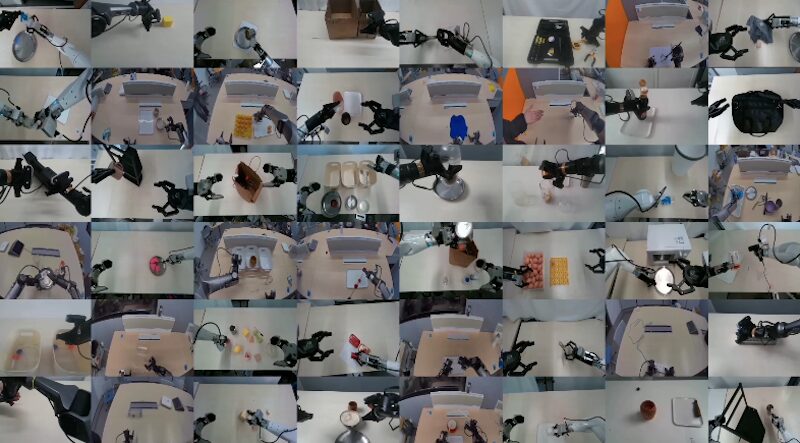
According to Robbyant, the LingBot-VLA has already been successfully adapted for multiple applications, showcasing its potential across different sectors. The adaptability of this model opens new possibilities for robotics in industries such as manufacturing, healthcare, and logistics, where efficient interaction with human operators and environments is essential.
Robbyant’s decision to share LingBot-VLA aligns with a growing trend in the tech industry, where companies foster collaborative innovation through open-source projects. By removing barriers to entry, Robbyant aims to inspire a wider adoption of advanced robotics technologies.
Future Prospects and Collaboration
The launch of LingBot-VLA is not only a technological milestone but also a strategic move to position Robbyant as a leader in the robotics sector. The company is actively seeking partnerships with academic institutions and other organizations to further develop and refine the model. This collaboration is intended to enhance the research community’s ability to innovate and improve robotic systems.
As the demand for intelligent robotic solutions continues to rise, Robbyant’s LingBot-VLA could play a crucial role in shaping the future of robotic applications. The company’s commitment to open-source development is likely to foster an ecosystem of innovation that benefits both developers and end-users.
In conclusion, Robbyant’s unveiling of the LingBot-VLA model represents a significant advancement in robotics, combining vision, language, and action into a cohesive framework. This initiative not only reflects the company’s forward-thinking approach but also emphasizes the potential of collaborative development in driving technological progress.