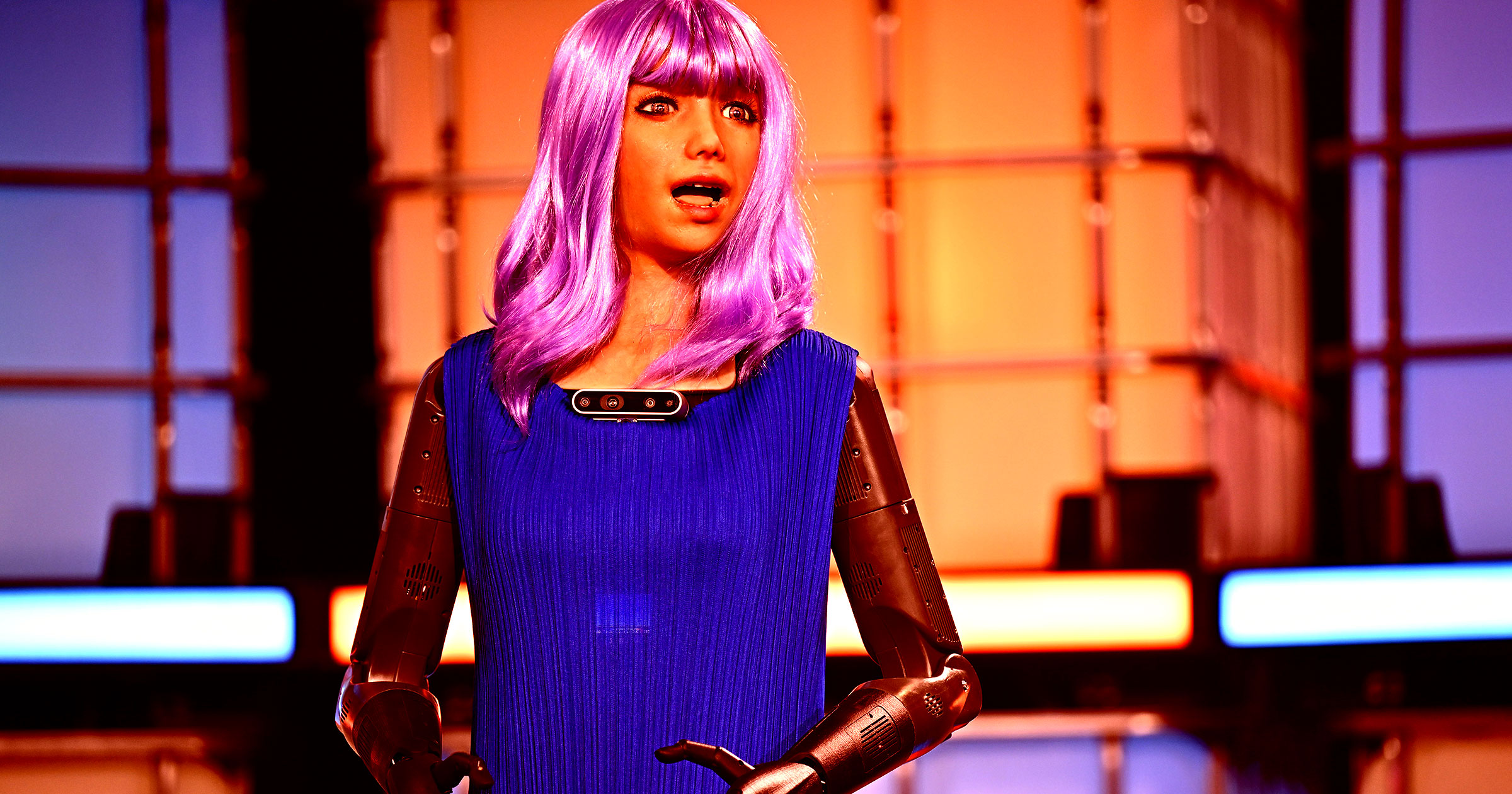
At the CES 2024 technology convention in Las Vegas, the promise of humanoid robots capable of transforming daily life faced a stark reality check. Despite the optimistic predictions from industry leaders, including Jensen Huang, CEO of Nvidia, the current generation of robots showcased at the event struggled significantly with basic tasks.
The enthusiasm surrounding robotics has been fueled by high-profile figures like Elon Musk, CEO of Tesla, who suggests that his company’s Optimus robot could revolutionize the industry. Musk describes the demand for humanoid robots as becoming “insatiable,” indicating a strong belief in their potential. However, the demonstrations at CES revealed that many of these robots are far from ready for practical application.
Reality Check at CES 2024
Live demonstrations at CES highlighted the limitations of current robotic technology. For example, one robot designed for laundry faced significant difficulties folding towels, while another, intended to assist in the kitchen, appeared confused and limited to basic movements, described by Gizmodo writer Kyle Barr as “back and forth like a confused toddler stuck in a playpen.”
This performance raises concerns about the gap between public expectations and the reality of robotic capabilities. According to the Wall Street Journal, even those within the robotics industry are worried that the transition from building humanoid robots to creating ones that perform useful tasks may take much longer than anticipated. McKinsey partner Ani Kelkar emphasized that there is a significant leap from observing robotic demonstrations to envisioning fully functional domestic assistants.
Challenges and Safety Concerns
Another notable challenge is the reliance on human operators for robots like the NEO robot from Bay Area startup 1X. The robot, which previously generated excitement with a price tag of $20,000, will not feature autonomous capabilities as initially hoped. Instead, it will be teleoperated by human staff when introduced to early adopters later this year, suggesting a slower rollout than many anticipated.
Safety is also a major concern, particularly for industrial robots that use artificial intelligence. As noted by Sarah O’Connor in the Financial Times, risks associated with AI, such as hallucinations and glitches, complicate safety protocols and may increase costs for manufacturers. Protecting human workers from potential injuries presents a daunting challenge that further delays the integration of robots into everyday settings.
Battery technology presents another obstacle. Current limitations may require humanoid robots to spend excessive time charging, or necessitate frequent battery swaps, which could hinder their usability in practical environments.
The optimism surrounding humanoid robots, as highlighted by Huang’s assertion that the “ChatGPT moment for robotics is here,” is met with skepticism as the industry grapples with the complexities of real-world applications. The promise of a future filled with capable humanoid robots remains tantalizing, but significant advancements will be necessary before they can become a reliable part of daily life.