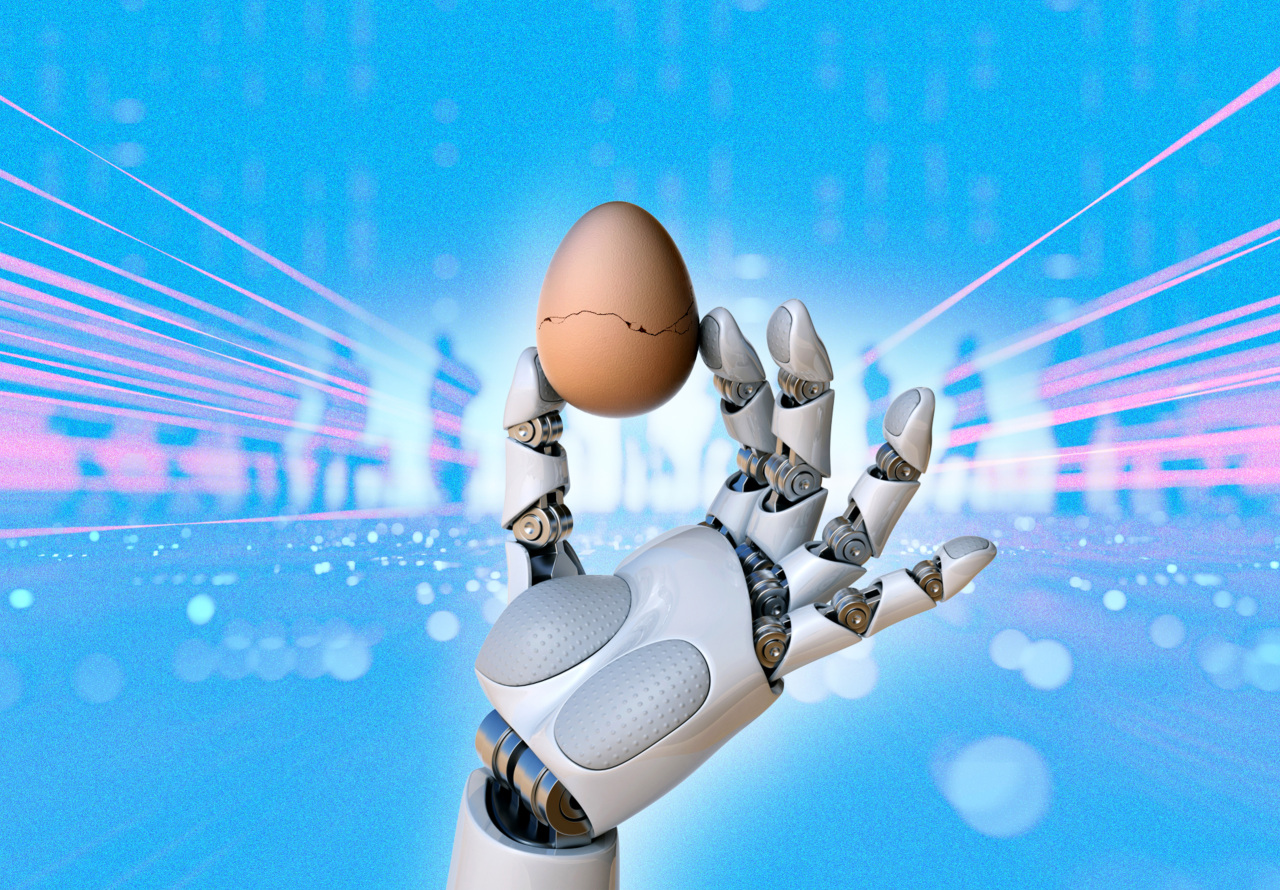
The anticipated rise of humanoid robots is poised to generate a remarkable $5 trillion market, according to a recent report by the International Federation of Robotics. Although the prospect is exciting, industry experts emphasize that significant advancements are still needed before robots can fully integrate into everyday life.
The concept of robots that closely resemble humans has captured public imagination. Companies like Boston Dynamics and MIT are at the forefront of developing this technology. Current prototypes showcase impressive capabilities, yet they also reveal limitations that highlight the challenges the industry faces.
Challenges Ahead for Humanoid Robot Development
Despite the promising market potential, experts caution that the journey to achieving widespread adoption will take years. The technology must overcome various hurdles, including enhancing mobility, improving human-robot interaction, and ensuring safety in diverse environments.
According to a study from Boston Dynamics, the development of humanoid robots also hinges on significant improvements in artificial intelligence and machine learning. These advancements are essential for enabling robots to understand and respond to complex human emotions and behaviors.
Furthermore, experts note that public perception and regulatory frameworks play crucial roles in the adoption of humanoid robots. As society grapples with ethical implications and safety concerns, building trust in these technologies will be vital.
The Future of Human-Robot Collaboration
Looking ahead, the potential applications for humanoid robots are vast. Industries such as healthcare, manufacturing, and customer service are expected to benefit significantly. Robots could assist in elderly care, perform repetitive tasks, and enhance customer experiences in retail environments.
Moreover, the integration of humanoid robots into various sectors could lead to the creation of numerous jobs focused on robot maintenance, programming, and oversight. This shift emphasizes the need for training programs and educational initiatives to prepare the workforce for a future where humans and robots coexist.
In conclusion, while the vision of a humanoid-robot-driven future is compelling, it is crucial to recognize the extensive work that lies ahead. The projected $5 trillion market will require not only technological breakthroughs but also societal acceptance and ethical considerations to ensure that humanoid robots can ultimately enhance human life.