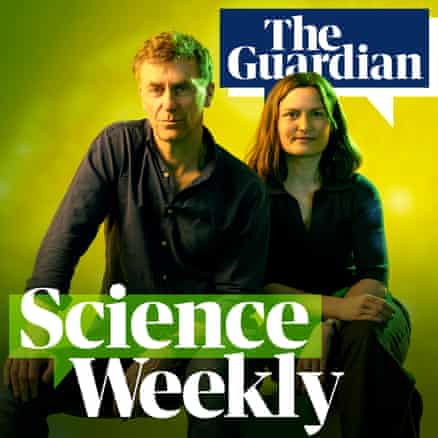
Recent discussions on the relationship between curiosity and healthy ageing have gained traction following a new podcast episode from The Guardian. The conversation explores how maintaining a sense of curiosity may contribute positively to longevity and overall well-being. This episode delves into various studies and expert opinions, illustrating the potential benefits of a curious mindset as individuals age.
Exploring the Connection Between Curiosity and Longevity
The podcast features insights from leading researchers in the field of health and psychology, who suggest that curiosity can play a significant role in how well people age. For instance, studies indicate that individuals who remain curious often engage more actively with their surroundings. This engagement can lead to better mental health outcomes and potentially extend lifespan.
One notable study highlighted in the episode reveals that older adults who exhibit high levels of curiosity tend to experience lower rates of cognitive decline. This finding aligns with the broader research that links mental stimulation to improved brain health. According to Dr. Ian Deary, a prominent psychologist from the University of Edinburgh, “Curiosity drives us to learn and experience new things, which can keep our minds sharp as we age.”
Practical Applications for Daily Life
Listeners of the podcast are encouraged to cultivate curiosity in their daily lives. Simple practices, such as asking questions, exploring new hobbies, or engaging in conversations with diverse individuals, can help stimulate the mind. The episode suggests that adopting a curious attitude not only enhances personal growth but also fosters social connections, which are crucial for emotional well-being as one ages.
Furthermore, the podcast emphasizes the importance of lifelong learning. Engaging in educational activities, whether through formal classes or self-directed study, can provide the mental challenge necessary for maintaining cognitive health. The Guardian’s podcast offers practical tips for listeners on how to integrate curiosity into their routines, including setting aside time for reading and attending workshops.
The discussion around curiosity and ageing is particularly relevant in a world where the population of older adults is rapidly increasing. According to the World Health Organization, the number of people aged 60 years and older is expected to double from 1 billion in 2020 to 2.1 billion by 2050. This demographic shift highlights the need for strategies that promote healthy ageing.
As this podcast episode illustrates, curiosity may be a key ingredient in the recipe for successful ageing. By fostering a curious mindset, individuals can enhance their quality of life, maintain cognitive function, and build stronger relationships, ultimately contributing to a healthier, more fulfilling later life.
In conclusion, The Guardian’s exploration of curiosity in relation to ageing serves as a timely reminder of the power of mindset. By embracing curiosity, individuals may not only enrich their own lives but also positively impact those around them.