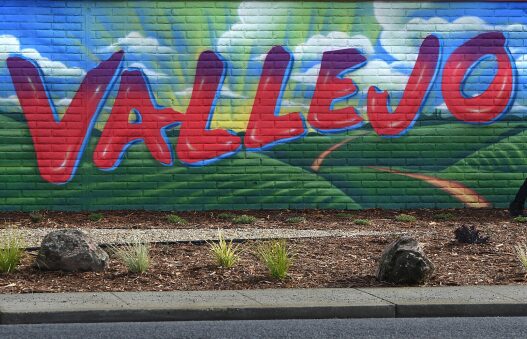
Residents of Vallejo are increasingly concerned about the state of their city and the perceived silencing of community voices. In recent discussions on local social media platforms, citizens have expressed frustrations regarding the treatment of differing opinions, particularly when addressing issues related to crime and governance. Many feel that the current environment limits constructive dialogue, leading to a culture of censorship rather than open debate.
Critics, including local activist Paula Conley, argue that the trend of moderating and removing opinions online resembles high school dynamics where certain voices are favored while others are ostracized. Conley highlights that the platforms intended for community engagement have transformed into spaces that stifle honest conversations. This shift raises questions about the balance between maintaining respectful discourse and allowing free expression of differing viewpoints.
Concerns Over Censorship and Community Engagement
The climate in Vallejo reflects a broader nationwide issue regarding free speech, particularly in online forums where citizens discuss pressing local matters. Conley points out that residents should be able to critique city leaders and address criminal behavior without fear of being flagged or removed from discussions. She suggests that the actions of certain moderators, who label criticisms as unkind, compromise the community’s ability to engage in meaningful dialogue.
Conley emphasizes that while some may claim to champion the rights of marginalized groups, their approach often ignores the perspectives and experiences of other community members. This one-sided empathy can lead to dismissive attitudes toward valid concerns. The notion of “virtue signaling” has emerged, where individuals or groups appear to advocate for certain causes but may neglect the broader implications of their actions.
Residents have voiced concerns that this environment fosters a fragile society, where exposing illegal or unethical behavior is perceived as an attack rather than a call for accountability. Conley argues that true virtue involves the capacity to listen to all sides of a discussion, acknowledging that free speech is a fundamental right that should be upheld in Vallejo.
The Future of Free Speech in Vallejo
As discussions about the role of social media in shaping community opinions continue, residents are left grappling with the implications of these restrictive practices. The challenge remains for Vallejo to find a balance between fostering respectful dialogue and preserving the right to free speech.
While some may believe that they are promoting civility by moderating conversations, Conley insists that this approach ultimately harms the community. She asserts that the right to express differing opinions is essential for a thriving democracy. The ongoing debates in Vallejo highlight the need for a more inclusive environment where all voices can be heard.
As this issue unfolds, residents hope for a return to open discussions that prioritize transparency and accountability among city leaders. The sentiment is clear: Vallejoans want their community to be a place where dialogue can flourish, not a victim of censorship that stifles growth and understanding.