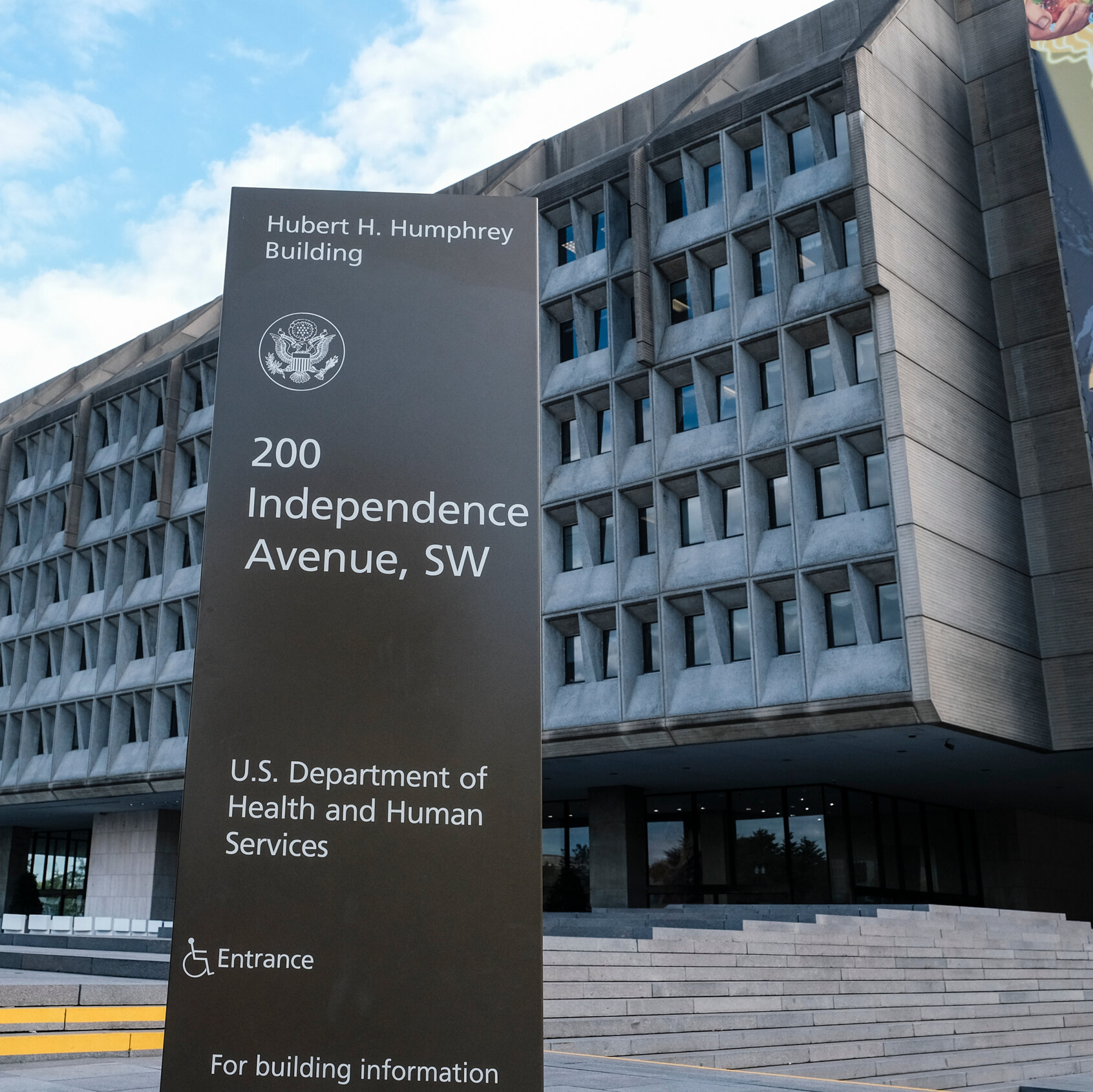
The U.S. Department of Health and Human Services has announced a suspension of approximately $10 billion in funding allocated to child care and social programs in five Democratic-led states: California, Colorado, Illinois, Minnesota, and New York. This funding freeze poses a significant risk to the well-being of hundreds of thousands of households relying on these essential services.
The decision, which comes as part of a broader policy review, could disrupt child care initiatives that provide support for working families. Many of these programs have been crucial in offering affordable care solutions, enabling parents to maintain their employment. The states affected have expressed deep concern over the potential impact on their communities, particularly vulnerable families who depend on these services.
Impact on Child Care Services
Child care programs are not just a convenience; they are vital for many families. In states like California, where child care costs can be prohibitively high, the funding freeze could exacerbate existing challenges. Experts estimate that thousands of children may lose access to essential care, which could further strain working parents and impact their ability to contribute to the economy.
In addition to child care, other critical programs, including health services and educational initiatives, may also face cuts. The implications extend beyond immediate financial concerns; they highlight the interconnectedness of government support and community health. According to state officials, the halt in funding could lead to increased unemployment rates and a downturn in local economies in these regions.
Political Reactions
Reactions from state leaders have been swift and critical. Governors from the impacted states have condemned the decision, calling it a politically motivated maneuver that disregards the needs of families. Gavin Newsom, the Governor of California, stated that the funding cut undermines years of progress in supporting early childhood education and care.
Furthermore, officials argue that this funding freeze contradicts federal commitments to support families and vulnerable populations. As discussions unfold, the potential for bipartisan negotiations may emerge, as both parties recognize the importance of child care in the broader economic landscape.
As the situation develops, stakeholders are closely monitoring the effects on local communities and the possibility of restoring funding. The U.S. Health Department has not indicated when or if the funding will be reinstated, leaving many families in uncertainty.
The health and economic ramifications of this decision will likely reverberate throughout the affected states. As families brace for potential disruptions, the need for advocacy and dialogue continues to grow, emphasizing the importance of governmental support in maintaining essential services.