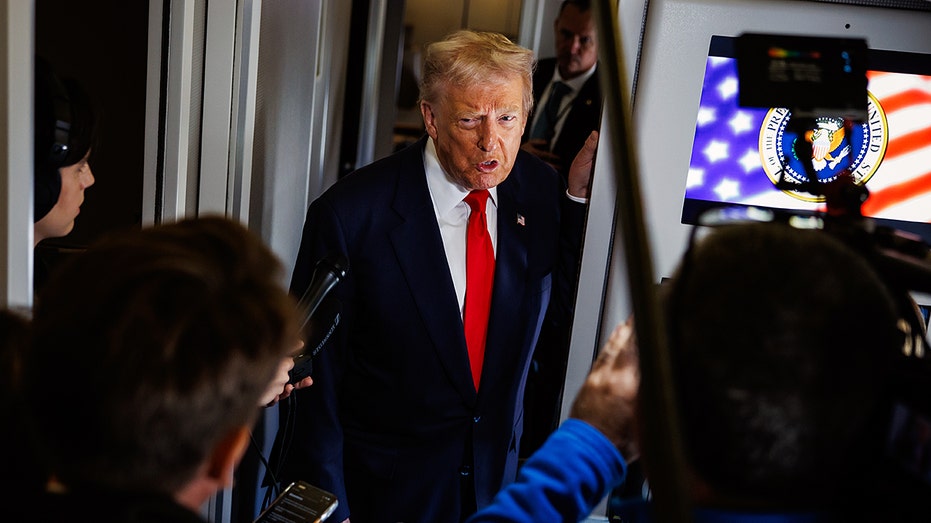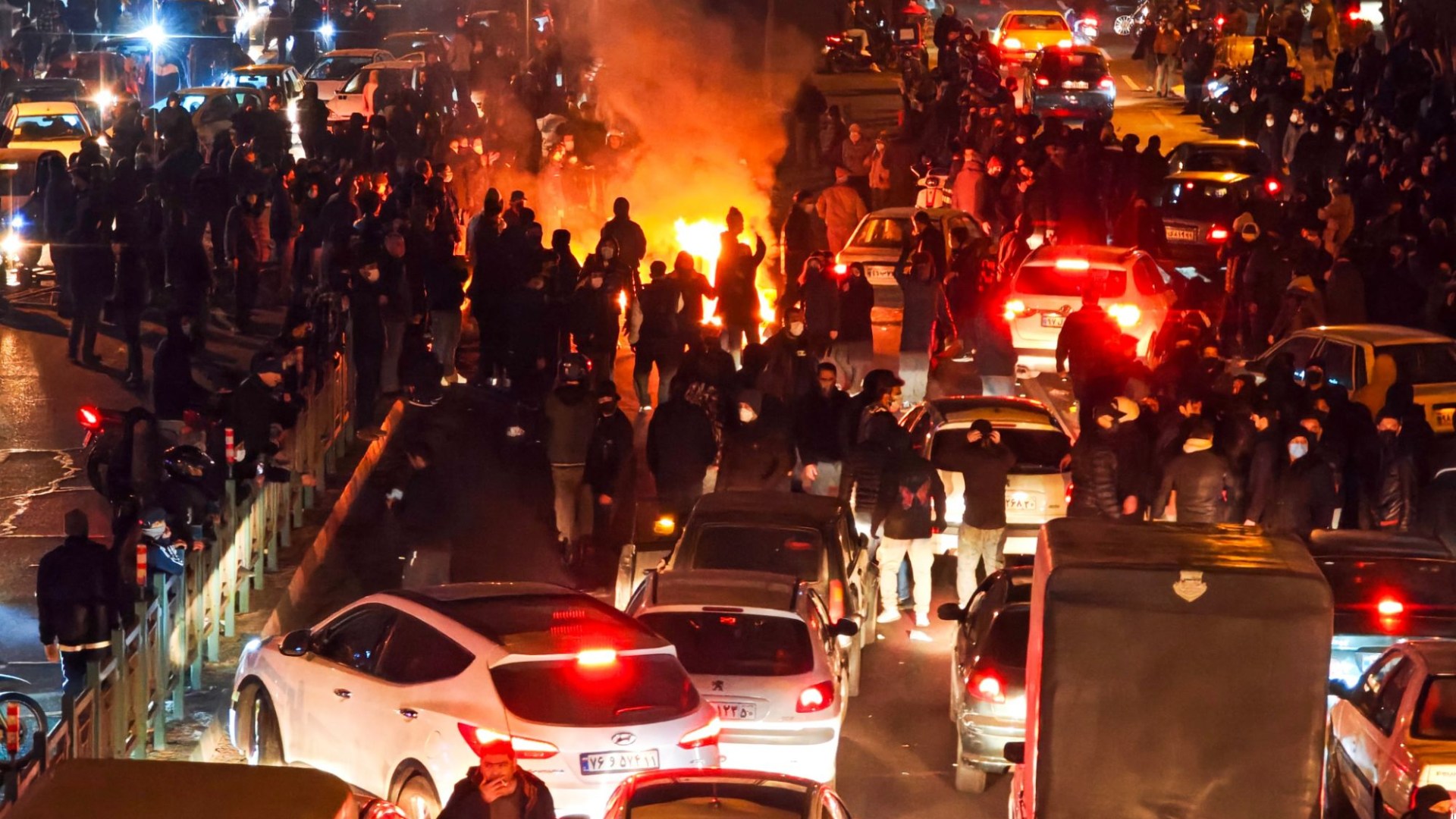
Former US President Donald Trump has been informed of potential military strategies targeting Iran, which could include cyberattacks, psychological operations, and strikes on nuclear facilities. This comes as protests in Iran have escalated, resulting in nearly 650 fatalities due to a violent crackdown by Iranian security forces in recent weeks. The situation in Tehran has reached a critical point, with demonstrators increasingly vocal against the regime of Supreme Leader Ali Khamenei.
The unrest began with widespread protests, driven by calls for political reform and an end to Khamenei’s rule. Security forces have responded with lethal force, reportedly leading to hundreds of deaths and thousands of arrests. Eyewitness accounts suggest that some protesters have been executed without fair trials, raising significant concerns among international observers.
In a significant development, a White House official indicated to Axios that Trump is considering military action aimed at punishing the Iranian government. Sources suggest that airstrikes could specifically target Iran’s nuclear infrastructure and ballistic missile facilities. Additionally, there are proposals for cyber operations to disrupt Iranian communications and state-run media, which might help mitigate further civilian casualties.
A second meeting of Trump’s national security team is scheduled for today to further evaluate the options available. Pentagon officials have indicated that military campaigns could effectively disrupt Iran’s command structures and operations. Nevertheless, any action from the US is expected to take days as officials prepare for potential Iranian retaliation.
Iran has responded with strong rhetoric, warning that any US strikes would lead to severe consequences. Iranian Foreign Minister Abbas Araghchi stated that while the nation does not seek war, it is fully prepared for one. The Iranian leadership has also sought support from Russia, with Sergei Shoigu, Secretary of Russia’s Security Council, condemning foreign interference in Iran’s internal affairs during a recent phone call with Iranian officials.
In a stark warning to US citizens, the US Virtual Embassy in Iran has advised Americans to leave the country immediately, urging them to exit via Armenia or Turkey. For those unable to leave, the embassy has recommended avoiding all protests and securing adequate supplies of food and water.
The Iranian regime’s response to the ongoing protests has drawn international condemnation. The current death toll from the protests, as reported by the Human Rights Activists News Agency, stands at 646, including 512 protesters and 134 security personnel. More than 10,700 individuals have been arrested, with many now facing expedited court hearings. Activists report that some detainees are at risk of execution, with cases such as that of Erfan Soltani, a 26-year-old charged with “waging war against God,” exemplifying the regime’s harsh crackdown.
As tensions rise, global leaders are closely monitoring the situation. The UK government has expressed its concern over the violence against protesters, while Germany’s Chancellor described the Iranian regime as living out its “last days.”
The unfolding events in Iran are not only a matter of domestic unrest but have the potential to escalate into a wider geopolitical crisis, with countries around the world watching closely as the situation develops.