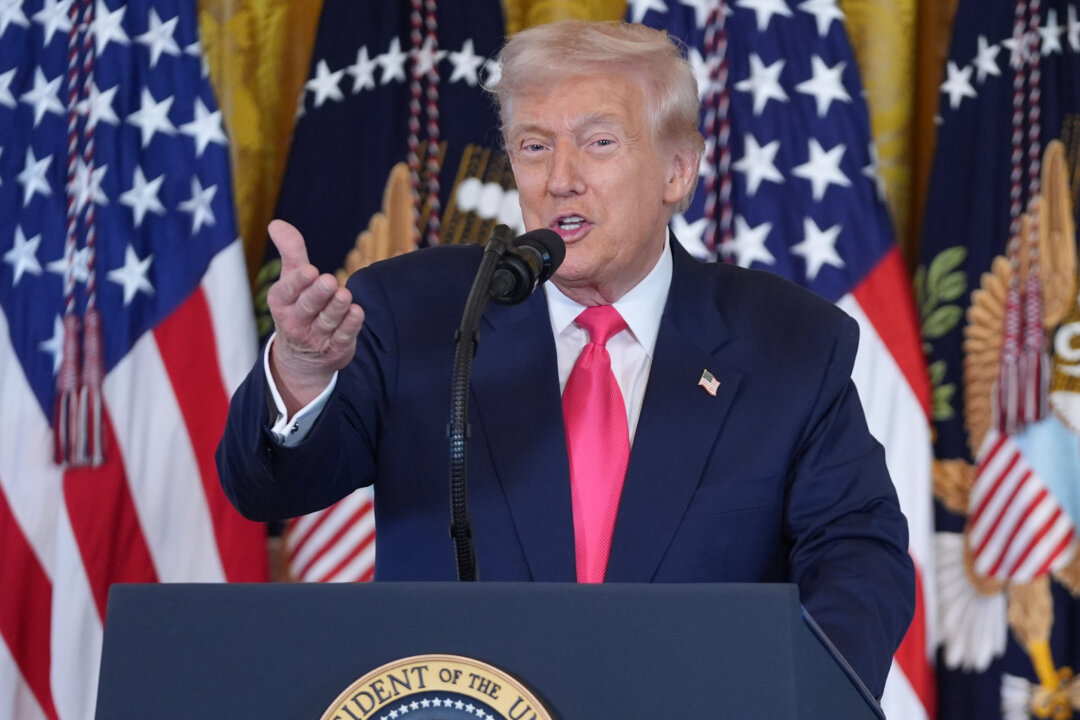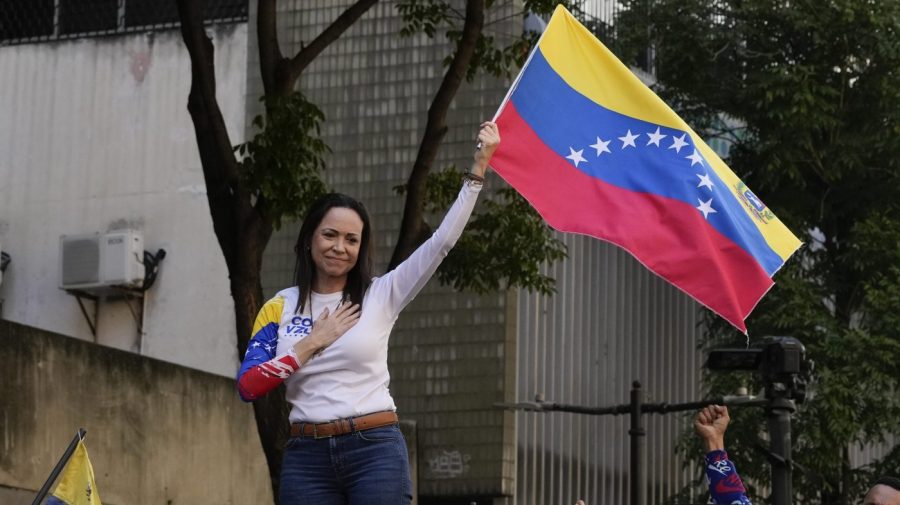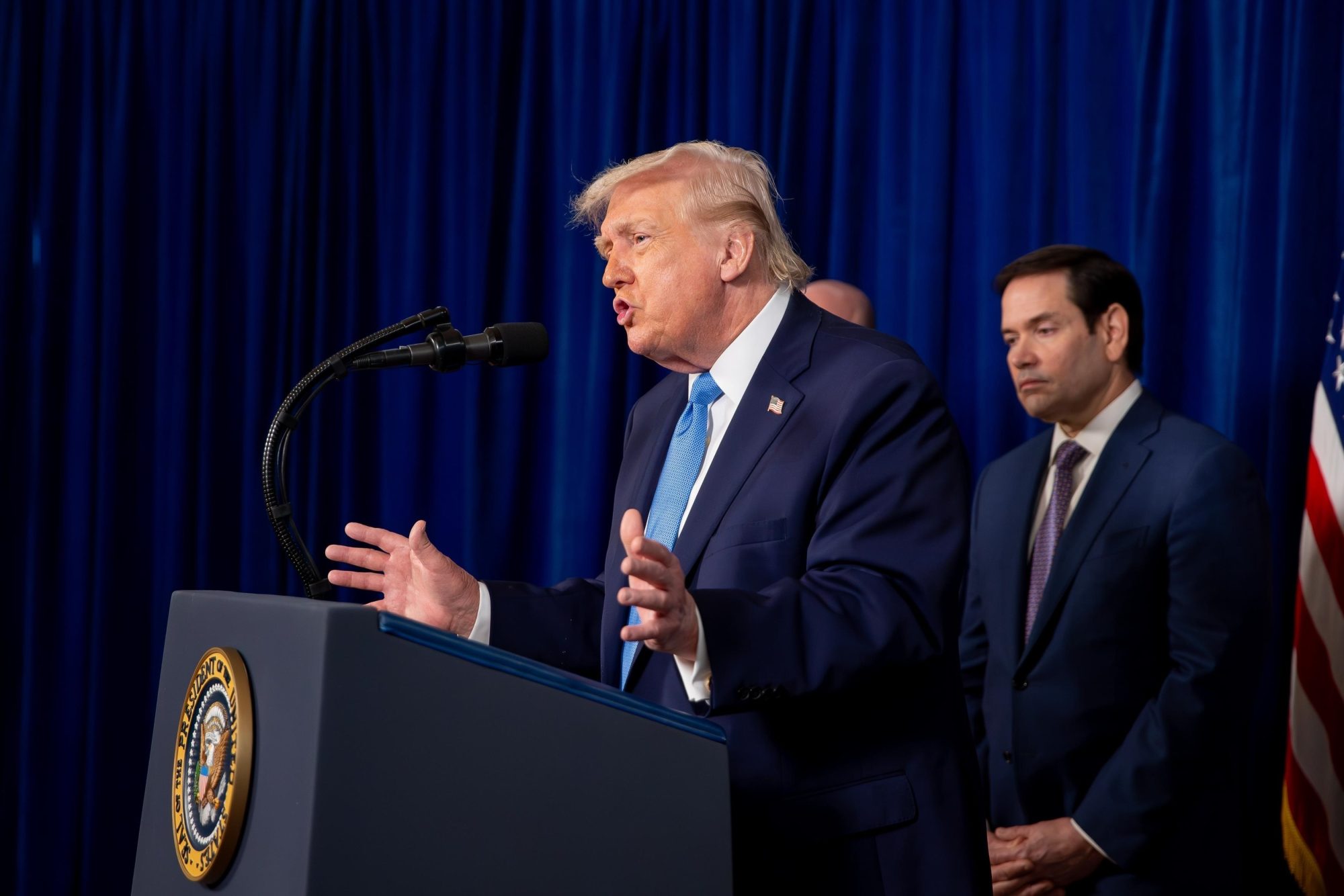
The recent targeted operation that led to the capture of Venezuelan leader Nicolás Maduro has marked a significant moment in U.S. foreign policy. On January 7, 2026, President Donald Trump executed a plan that many had deemed too risky, yet it has sparked celebrations among Venezuelans across the globe, from Miami to Buenos Aires. This decisive action underscores a shift toward a more aggressive American stance in Latin America, reminiscent of the historical Monroe Doctrine.
Trump’s latest move has drawn attention not only for its audacity but also for the way it highlights the differing opinions within his administration. While officials hold varied views on foreign policy, the president has demonstrated a willingness to act independently, prioritizing U.S. interests over traditional diplomatic channels. Critics, regardless of their political affiliations, have raised concerns about the implications of such unilateral action, with some labeling it reckless.
The backdrop to Maduro’s capture reveals a complex geopolitical landscape. Just hours before the operation, Maduro was reportedly meeting with a Chinese liaison, raising alarms about foreign influence in the region. Trump’s administration has long expressed concerns about countries like China, Russia, and Iran leveraging Maduro’s regime to extend their reach into South America. The president’s decision reflects a commitment to counter these influences, particularly when they threaten U.S. national security.
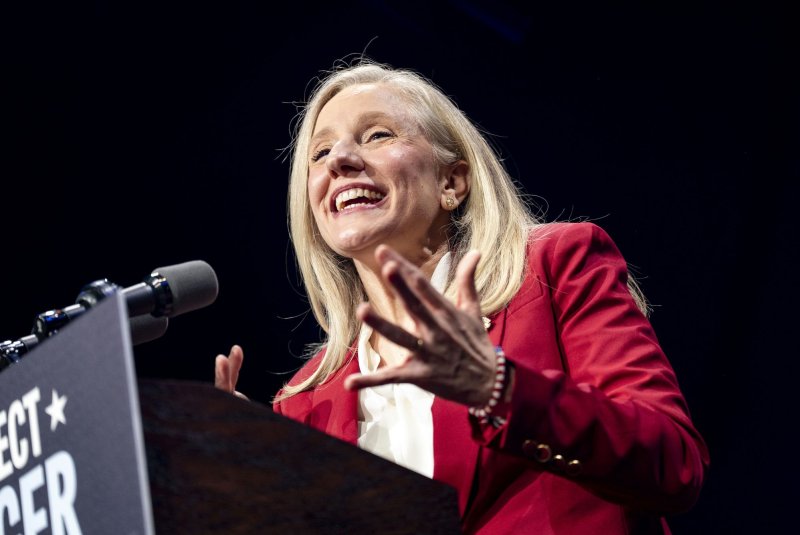
Interestingly, the very same Democratic senators who criticized Maduro’s leadership and supported a $25 million bounty for his capture are now voicing their discontent regarding the manner in which Trump executed the mission. They argue that a lack of prior notification jeopardized the operation’s success, a sentiment countered by Secretary of State Marco Rubio, who stated, “This is not the kind of mission where you can pre-notify, because it endangers the mission.”
Trump’s rationale for the operation rests on legal grounds. Despite Maduro’s claims of legitimacy, he has been effectively a fugitive from American justice, and the U.S. holds the right to act against him, regardless of his status in Venezuela. The operation has raised questions about the implications for U.S. foreign policy and the ethical dimensions of targeting foreign leaders.
Transitioning power in Venezuela presents significant challenges. Maduro’s regime has devastated the country’s economy, once a South American powerhouse, through systemic corruption and mismanagement. The presence of the powerful Tren de Aragua narco-terror organization, which has thrived under Maduro’s protection, adds another layer of complexity to the situation. The path to recovery will demand strategic negotiations and considerable effort from the U.S. and international stakeholders.
Trump has made it clear he intends to avoid the pitfalls of extensive nation-building, as seen in previous conflicts. His approach appears to be pragmatic, focusing on direct actions that serve U.S. interests rather than attempting to impose democratic ideals. While the humanitarian aspect of Venezuela’s crisis is acknowledged, Trump’s primary objective remains the protection and advancement of American interests.
This operation signifies a bold step in a new phase of U.S. foreign policy, one that prioritizes decisive action over diplomatic niceties. As the international community watches closely, the ramifications of this move will likely unfold in the coming months, reshaping the dynamics in Latin America and beyond.