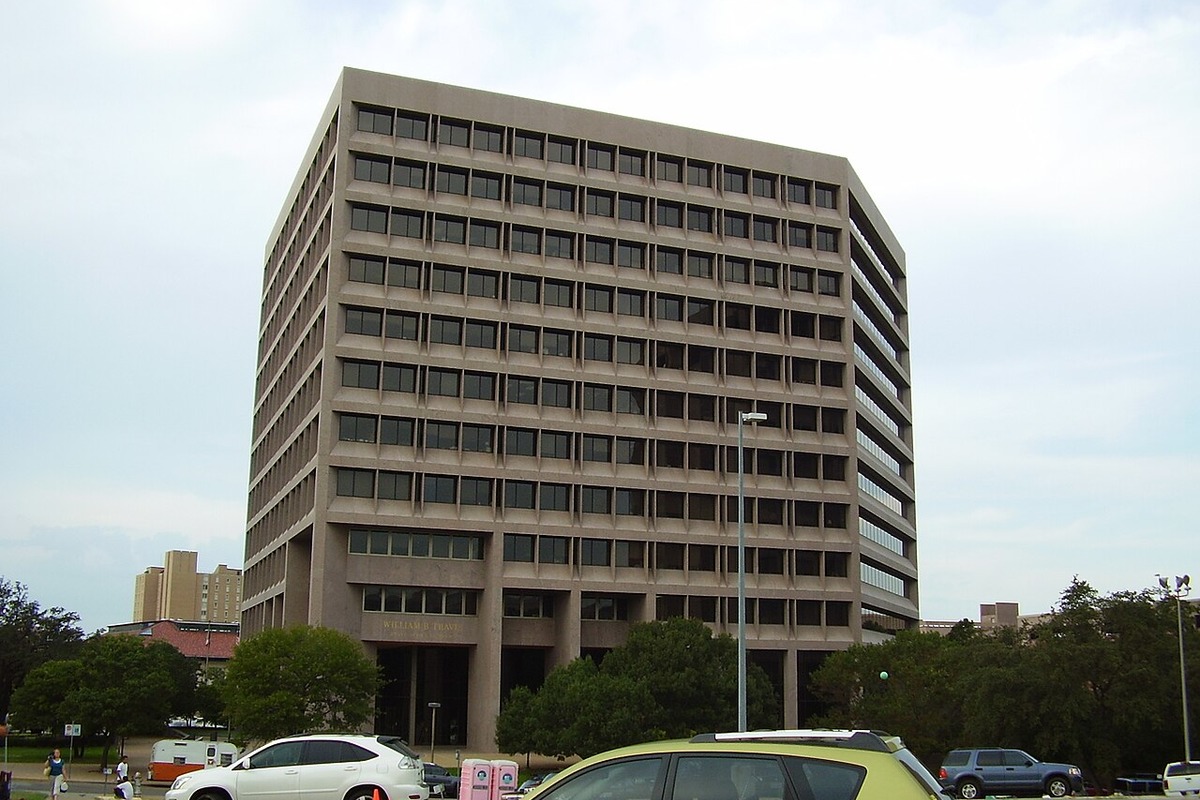
A group of Texas teachers has initiated a federal lawsuit against the Texas Education Agency (TEA) over a directive that regulates their social media speech. The case, filed on January 6, 2023, in the U.S. District Court in Austin, questions the extent to which the state can monitor off-duty teachers’ online activities.
The lawsuit stems from a directive issued by the TEA in September 2022, instructing school superintendents to report educators’ social media posts related to the assassination of conservative activist Charlie Kirk. The Texas American Federation of Teachers (Texas AFT) claims that this order has led to a wave of retaliation against teachers and has resulted in disciplinary actions and terminations.
According to the Texas AFT, the directive is overly broad and has a chilling effect on speech that should be protected. The union is seeking a court order to retract the September letter and halt any investigations initiated as a result. The suit names both the TEA and Education Commissioner Mike Morath.
The controversial directive specifically targeted posts deemed “reprehensible and inappropriate.” Morath’s letter warned that such communications could violate the Educators’ Code of Ethics. He further stated that any posts that “call for or incite further violence” would not be protected under free speech rights.
The fallout from this directive has been significant. Reports indicate that over 350 complaints about educators have emerged since its issuance. As of early January 2023, the TEA confirmed that 95 investigations remained open. Various school districts have already taken disciplinary actions, including dismissals, against employees for their comments on social media.
Legal Framework and Implications
When evaluating cases regarding public employee speech, courts typically apply a two-part test. This involves determining whether the employee spoke as a private citizen on a matter of public concern and whether this speech caused enough disruption to warrant action from the employer. This legal framework is rooted in Supreme Court cases, including Pickering v. Board of Education and Garcetti v. Ceballos.
Local legal scholars suggest that the state must demonstrate a clear material disruption to justify punishing off-duty speech. The outcome of this case could hinge on whether the teachers’ social media expressions were indeed private opinions and whether they disrupted school operations.
Political Context and Future Developments
The lawsuit unfolds against a backdrop of heightened conservative engagement in public education. Recently, Texas Governor Greg Abbott and Lieutenant Governor Dan Patrick announced plans to expand Turning Point USA chapters in Texas high schools. Critics argue that such initiatives inject partisan politics into educational environments and increase the stakes for teachers who express dissenting views.
The Texas AFT’s complaint requests the court to mandate the TEA to retract its directive and cease all related investigations. If successful, this could terminate numerous ongoing probes into educators’ speech. Conversely, a ruling in favor of the state could subject teachers’ private online comments to continued scrutiny and potential professional repercussions.
The case is currently proceeding in U.S. District Court in Austin, with motions and discovery expected to unfold over the coming months. The TEA has refrained from commenting on the pending litigation. For teachers across Texas, the eventual ruling is likely to clarify the boundaries of acceptable speech outside the classroom.