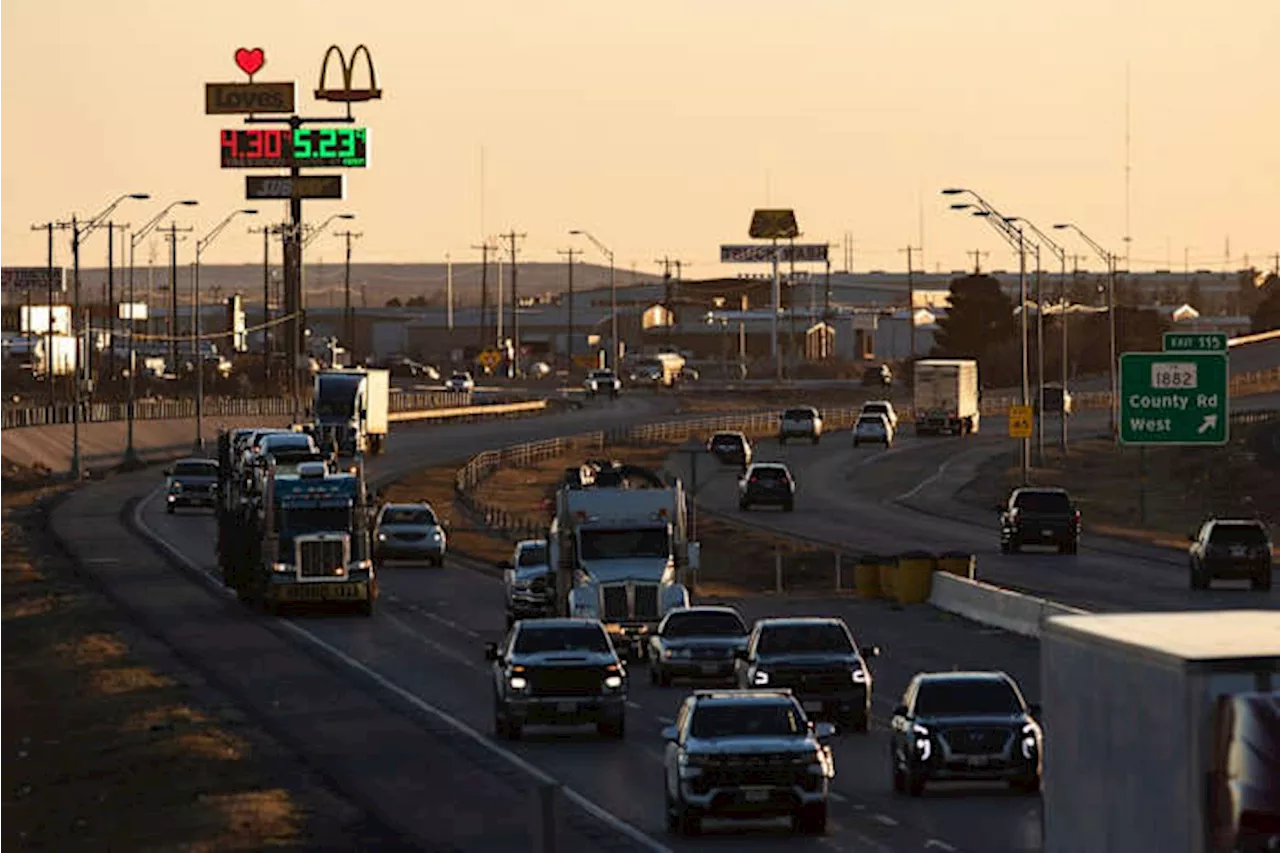
The Texas Department of Motor Vehicles (TxDMV) is encountering significant opposition regarding proposed changes to vehicle registration requirements. The alterations would necessitate stricter photo identification, effectively hindering undocumented residents from legally owning vehicles. This move has raised concerns among various stakeholders, including small business owners, industry representatives, and advocacy groups.
During a public hearing on November 15, 2023, approximately 35 individuals voiced their objections to the proposed rule changes. Opponents argue that these adjustments would create unnecessary barriers for a wide range of residents in a state heavily reliant on vehicles, potentially harming local businesses and increasing the number of unregistered and uninsured drivers on Texas roads.
Tyler Simmons, a board member of the Texas Independent Automobile Dealers Association, expressed that the proposed changes would have contradictory consequences. “By preventing lawful registration, it increases the number of unregistered, uninsured drivers in the state of Texas, while hurting regulated tax-paying small businesses,” he stated.
The TxDMV is proposing to limit acceptable forms of photo identification for vehicle registration to a valid, unexpired driver’s license or state identification card that complies with the REAL ID requirements, a valid Texas handgun license, an unexpired U.S. passport, a permanent resident card, or a valid foreign passport with evidence of lawful admission to the U.S. Previously accepted IDs, such as expired passports or driver’s licenses, would no longer be valid.
According to the TxDMV, this modification is aimed at preventing fraud and ensuring that only individuals legally eligible to reside in Texas can register vehicles. Yet, many affected individuals may hold federal work authorization or have been living in the country for extended periods, including asylum applicants and individuals with lapsed Deferred Action for Childhood Arrivals (DACA) status.
Concerns were raised during the hearing about whether the data supports the TxDMV’s claims regarding the need for stricter regulations to address fraud. Officials from Webb County and Travis County highlighted potential economic repercussions for local communities and residents.
Celia Israel, the Travis County Tax Assessor-Collector, remarked, “The Travis County tax office has and always will comply with the law, but I wholeheartedly disagree with this rule and will not enforce this rule until it is properly authorized.”
Business owners, particularly those serving predominantly Hispanic communities, reported a decline in customers since the TxDMV’s guidance was issued. Many clients are now considering registering their vehicles under alternate names or in different states, which has led to a worrying trend for local businesses. Andre Martinez, a member of the Texas United Auto & Community Alliance based in Houston, lamented, “At this rate, I don’t see my business being able to survive much longer.”
The proposed changes by the Texas DMV have ignited a heated debate about accessibility and the implications for undocumented residents and local economies. As the agency continues to navigate this complex issue, the voices of those impacted remain central to the conversation. The outcome of this proposed rule will likely have lasting effects on vehicle ownership and registration in Texas, a state where car ownership is essential to daily life.