The recent shooting incident involving two members of the West Virginia National Guard in Washington, D.C., has drawn attention to the background of the suspect, Rahmanullah Lakanwal. The 29-year-old previously worked with the CIA and U.S. Special Forces during military operations in Afghanistan. His association with U.S. forces led to his evacuation to the United States in 2021 under Operation Allies Welcome, which aimed to protect Afghan individuals who collaborated with American military personnel.
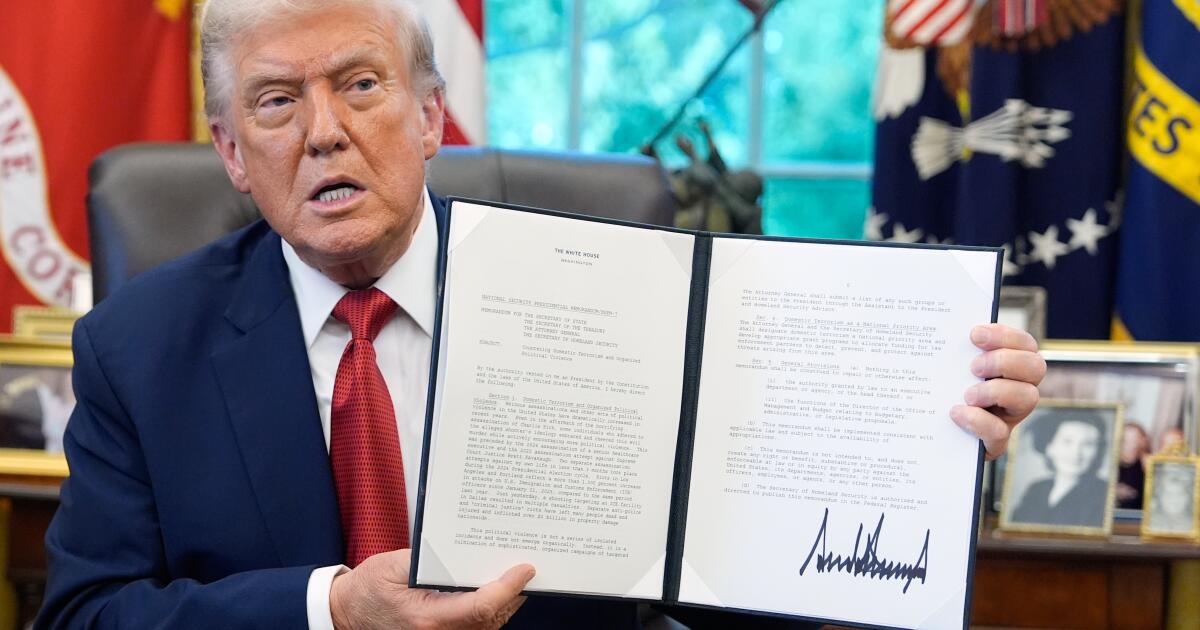
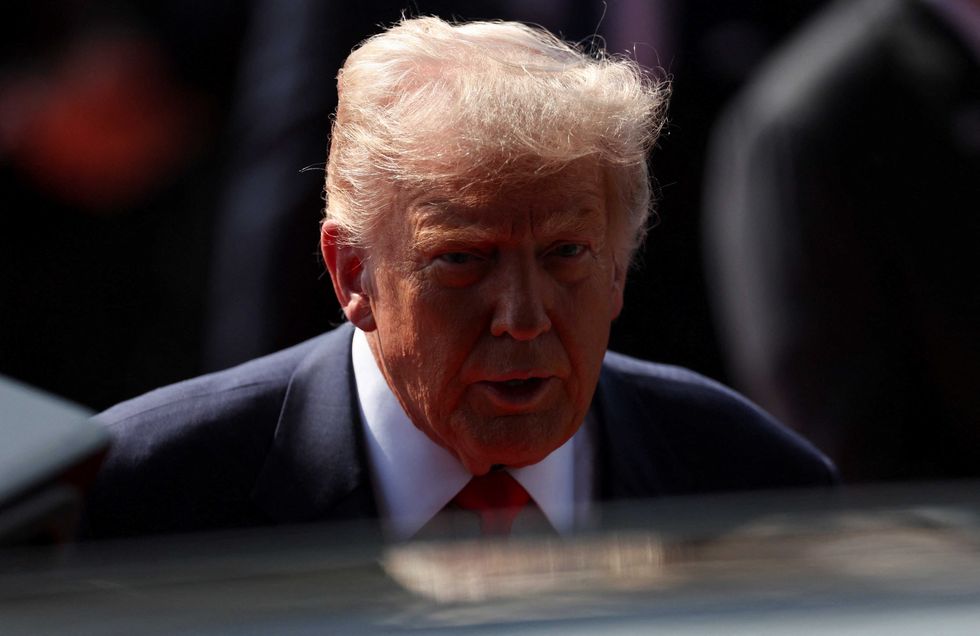
Lakanwal applied for asylum in the U.S., which was granted in April 2025, a decision made during the administration of Donald Trump. The shooting raises questions about the presence of National Guard troops in D.C., which Trump deployed under a “national emergency” declaration. This declaration permits the president to send National Guard troops if there is a perceived threat to the government’s authority, as outlined in Title 10 of the Federal Code. Critics argue that this rationale is unfounded, as D.C. is not experiencing any rebellion or civil unrest.
Legal Challenges to National Guard Deployment
Recent legal decisions have challenged the legality of Trump’s troop deployments. On November 20, a judge in the U.S. District Court for the District of Columbia ruled that Trump’s deployment of National Guard troops was unlawful. Judge Jia Cobb stated that Trump “exceeded the bounds of statutory authority” by deploying troops for crime deterrence without local civil authorities’ requests. This decision highlighted the potential “irreparable harm” inflicted on D.C.’s sovereignty.
Despite the ruling, the National Guard troops were permitted to remain in D.C. for 21 days to allow the Trump administration an opportunity to appeal. The deployment has faced scrutiny in other cities as well, with courts blocking troop movements in Portland, Los Angeles, and Chicago. Multiple rulings have upheld the position that federalizing state National Guard units without local approval is illegal, further complicating Trump’s narrative regarding troop deployments.
Context of U.S. Military Withdrawal from Afghanistan
The backdrop of these events ties into the broader context of the U.S. withdrawal from Afghanistan, a process that was initiated under Trump. In 2018, his administration began direct negotiations with the Taliban, excluding the Afghan government from discussions. The result was the signing of an agreement that stipulated a complete withdrawal of U.S. troops by May 1, 2021. By the end of his presidency in January 2021, troop levels had been significantly reduced, leaving only 2,500 service members in the country.
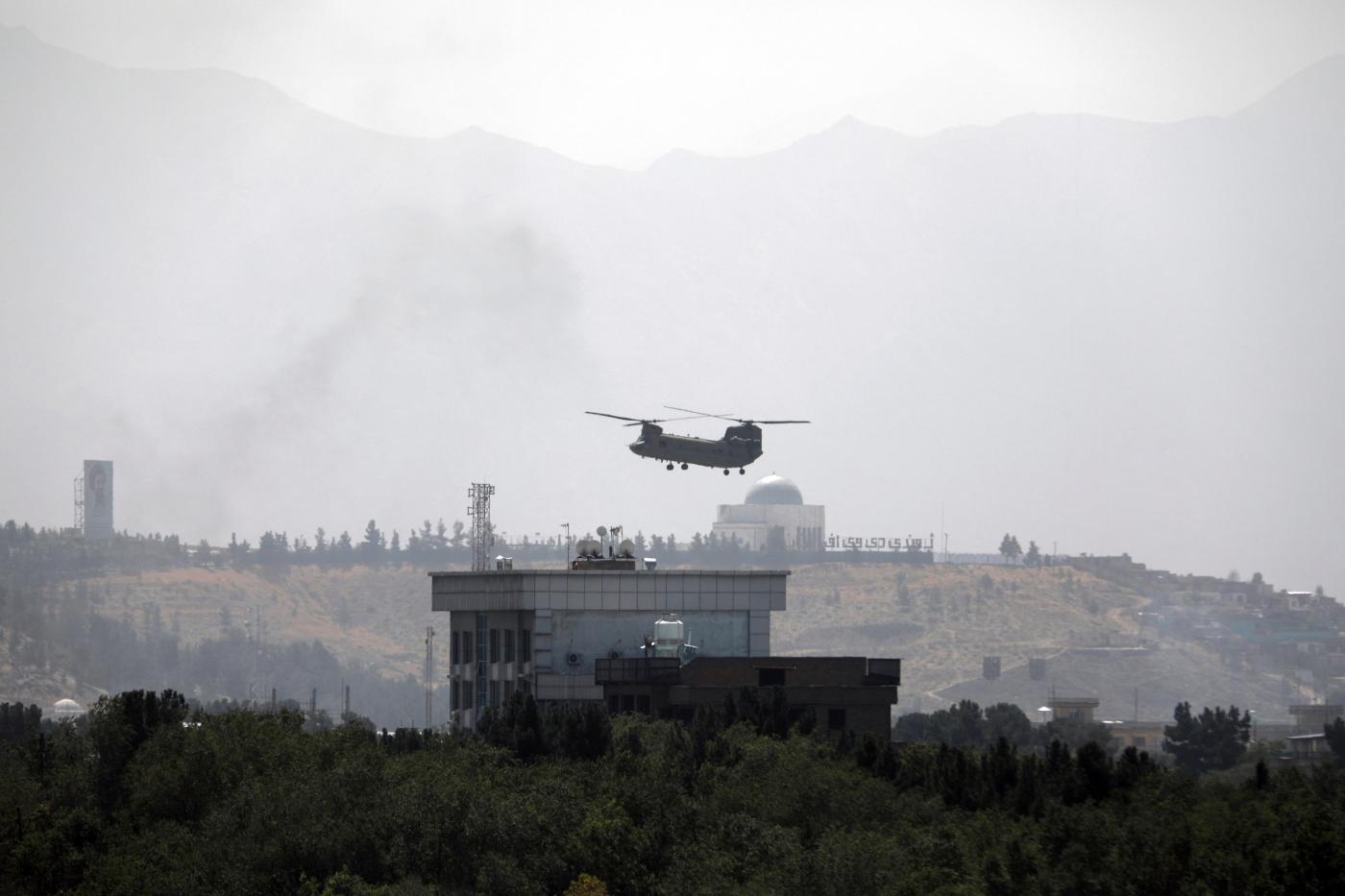
Upon taking office, President Joe Biden decided to extend the withdrawal deadline to August 20, 2021, to facilitate the evacuation of U.S. personnel and Afghan allies. This timing coincided with a rapid offensive by the Taliban, leading to the swift collapse of the Afghan government. Ultimately, the U.S. evacuated approximately 124,000 individuals, including Afghan allies like Lakanwal.
In summary, the complex interplay of military decisions, legal challenges, and individual circumstances surrounding Lakanwal’s asylum status has intensified scrutiny of the National Guard’s role in D.C. and the broader implications of U.S. foreign policy in Afghanistan. The recent shooting incident underscores the human consequences of these policies, raising questions about accountability and the ongoing challenges faced by Afghan allies in the United States.
This situation continues to evolve, with legal and political ramifications likely to unfold as the nation grapples with the implications of past military engagements and current security measures.