Senator Mark Kelly of Arizona reaffirmed his commitment to his message regarding the refusal of illegal orders to U.S. troops, stating he would “absolutely not” alter his stance despite facing censure from Secretary of Defense Pete Hegseth. This censure, issued on November 2023, labeled Kelly’s conduct as “seditious in nature” and stemmed from a video in which he advised service members on their rights concerning unlawful commands.
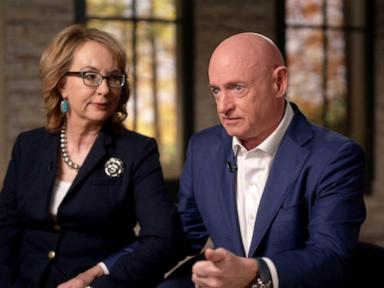
Hegseth accused Kelly of encouraging military personnel to disregard lawful orders, a claim that Kelly and his co-participants in the video have vehemently disputed. During an appearance on “Good Morning America,” Kelly emphasized his and his wife, former Representative Gabby Giffords, as individuals who do not back down from any confrontation. He stated, “Let me make this perfectly clear… we are not people that back down.”
Consequences of Censure and Political Fallout
The administrative censure, which carries less weight than a court-martial, will lead to a reduction in Kelly’s rank and impact his retirement pay. Hegseth indicated that this process would unfold over the next 45 days. The video, which sparked significant backlash, drew criticism from former President Donald Trump, who labeled it “seditious behavior.” Trump suggested that those involved, many of whom have military or intelligence backgrounds, should face severe consequences, including imprisonment.
In the interview aired on “GMA,” Kelly asserted that his initial message was intended to be nonpartisan, expressing surprise that Trump would disagree with the notion of rejecting illegal orders. He stated, “Of course, you don’t follow illegal orders,” but noted that Trump perceives this stance as a challenge to his authority.
The Pentagon is conducting a “thorough review” of the situation surrounding Kelly’s remarks.
Defending Free Speech in the Military
Kelly, along with the five other Democratic lawmakers involved in the November video, maintains that their message aligns with the Uniform Code of Military Justice and the Constitution. The implications of Trump’s statements have been severe; at one point, he suggested that their actions could be “punishable by death” and called for participants to be hanged, though he later clarified that he was not issuing a death threat.
On “Good Morning America,” Kelly described the situation as “un-American,” arguing that it sends a chilling message to retired servicemembers who may feel threatened for voicing their opinions. He stated, “I said something the president and Pete Hegseth did not like… this sends a chilling message.”
In response to the censure, Kelly announced his intention to fight any punitive measures. He accused Hegseth of aiming to intimidate retired servicemembers into silence, saying, “If they say something he or Donald Trump doesn’t like, they will come after them the same way.”
Kelly also mentioned the possibility of appealing the military’s decision regarding his retirement and hinted at the option of pursuing a federal lawsuit, asserting that he would take all necessary actions to contest the censure.
The unfolding events surrounding Senator Kelly highlight the ongoing tensions between political figures and military personnel regarding free speech and lawful conduct, raising significant questions about the balance of authority and individual rights within the Armed Forces.