The recent shooting involving an Immigration and Customs Enforcement (ICE) agent and Renee Good has ignited a heated debate on intent and accountability. Republican commentator Scott Jennings strongly criticized Democrats, including CNN’s Abby Phillip, for attempting to diminish Good’s responsibility for her actions that led to her death during an incident on October 7, 2023, in Minnesota.
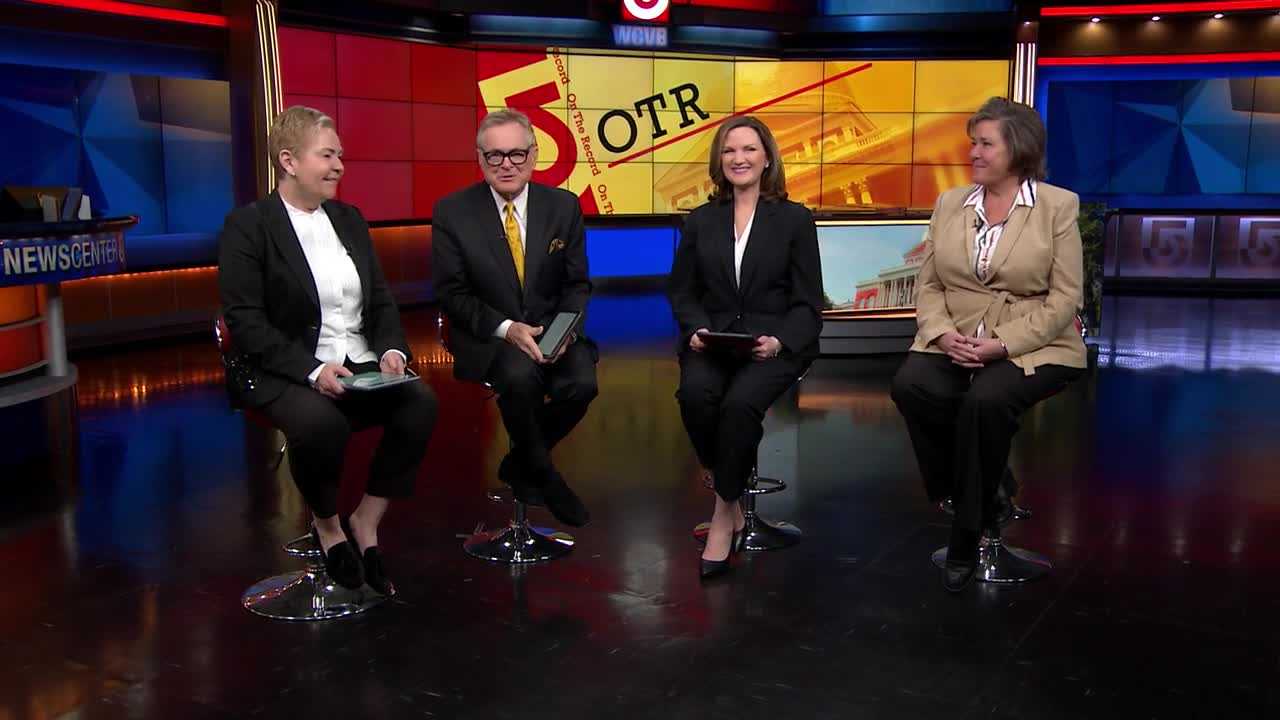
During an appearance on CNN’s NewsNight, Jennings challenged the narrative suggested by some Democrats that a perceived lack of intent could absolve Good of her actions. The discussion arose after the ICE agent shot Good while responding to what he perceived as an imminent threat to his safety. According to Jennings, Good made the critical decision to accelerate her vehicle towards the federal officer, placing both herself and the agent in a dangerous situation.
Debate Over Intent in Legal Context
Jennings articulated his perspective emphatically, stating, “She hit the accelerator looking DEAD AHEAD!” He emphasized that Good knowingly put herself in a position that threatened the safety of a federal officer. The incident, he argued, was not merely about her intent to flee but rather her choice to endanger the life of an officer during a lawful enforcement action.
Jennings pointed out that the assertion of Good’s intent as a mitigating factor is misguided. He remarked, “Don’t you think she was trying to escape? I’m sorry, but ‘she was scared so she tried to escape by running over a federal officer’ is NOT an explanation I’m willing to accept!” This strong rebuttal highlighted Jennings’ view that Good’s actions were reckless and directly contributed to the tragic outcome.
The debate has attracted significant attention, with many commentators echoing Jennings’ sentiments that the focus on Good’s intent is misplaced. They argue that her actions constituted an attempt to evade arrest, which is itself a criminal act under federal law. Observers noted that she was given lawful commands by the ICE officers, and her decision to drive forward instead of complying escalated the situation significantly.
Implications for Law Enforcement and Accountability
The discussion surrounding this incident raises broader questions about accountability and the responsibilities of individuals during encounters with law enforcement. Jennings maintained that the ICE agent acted in self-defense, a perspective supported by the recorded evidence of the incident. The video footage, which captured the moments leading up to the shooting, may prove crucial in any potential legal proceedings.
Commenters on social media have voiced support for Jennings, asserting that Good’s intent is irrelevant from the perspective of the officer’s self-defense. They argue that her choices led to a situation where the officer was justified in his actions to protect his own life.
As the discourse continues, it highlights the complexities of law enforcement interactions and the challenges faced by agents in the field. The incident serves as a stark reminder of the potential consequences of defying lawful commands and the responsibilities individuals bear during encounters with federal authorities.
In conclusion, as the narrative unfolds, it remains essential to focus on the facts of the case and the implications for all involved. The tragic outcome for Renee Good should prompt reflection on individual responsibilities in the face of law enforcement efforts, rather than attempts to shift blame.