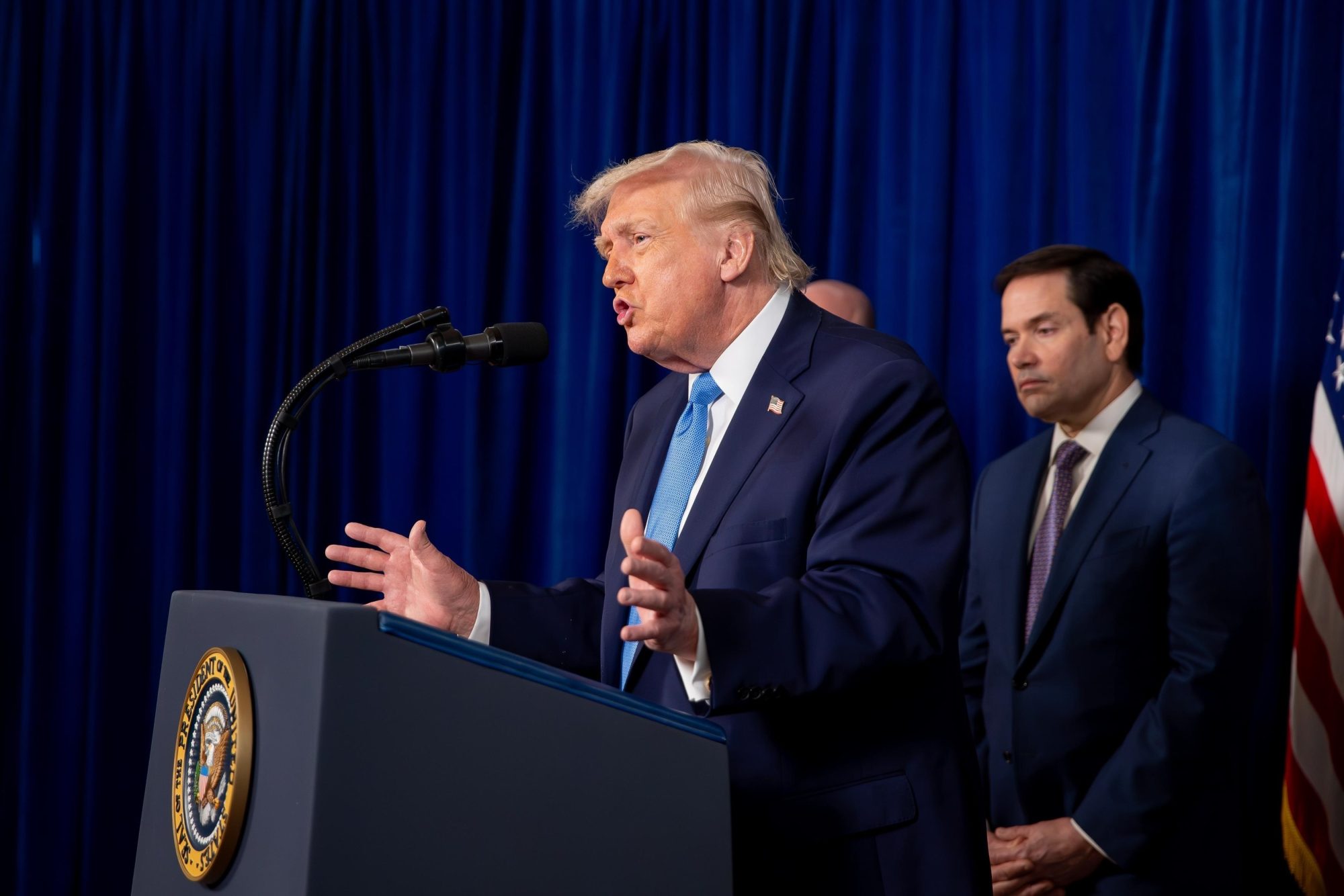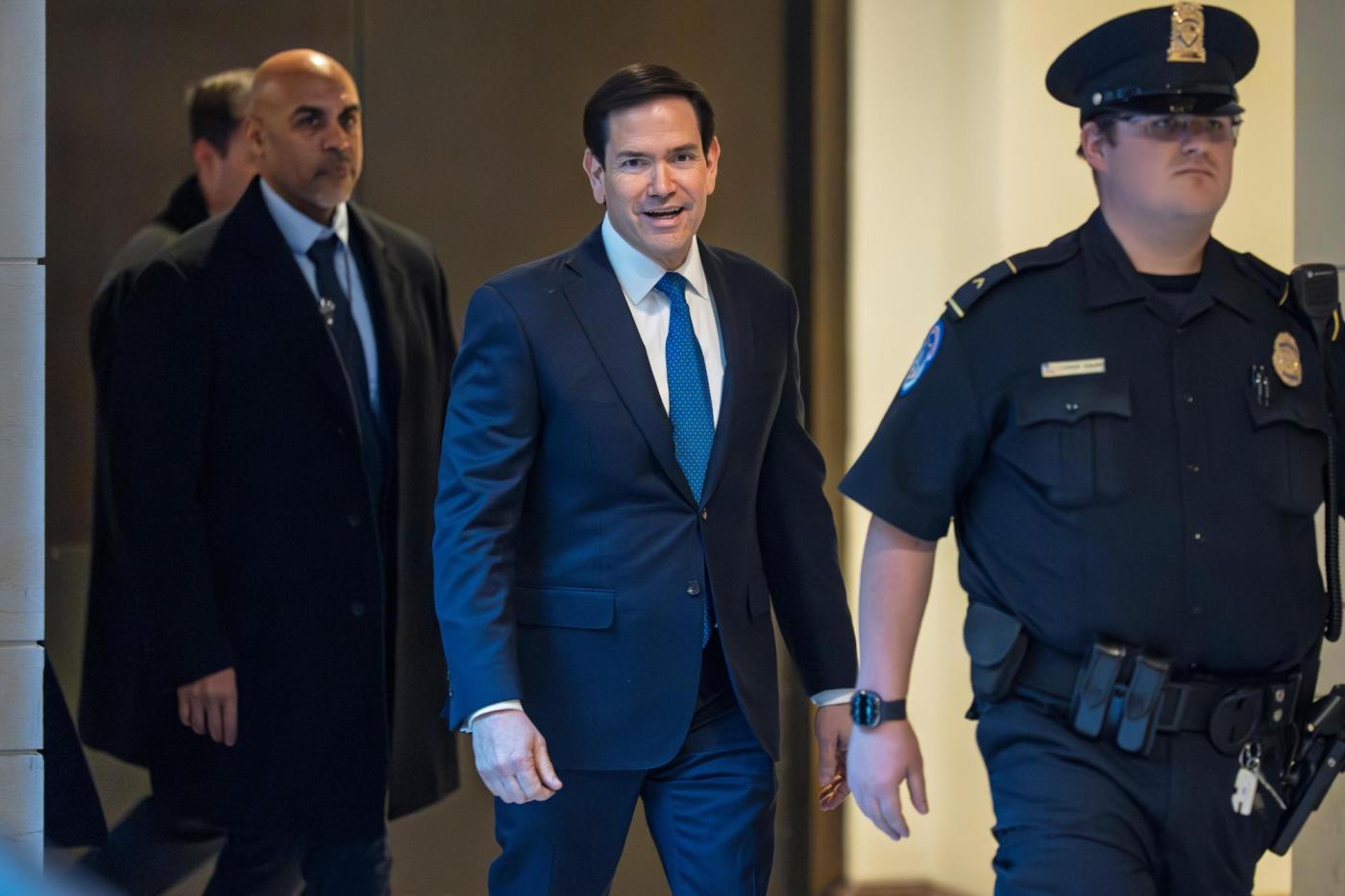
Secretary of State Marco Rubio has mandated that all diplomatic correspondence revert to the traditional Times New Roman font, discontinuing the use of the Calibri font effective Wednesday. This decision reverses a policy shift initiated under the previous administration, which Rubio criticized as wasteful and inappropriate for official government documents.
In a cable addressed to all U.S. embassies and consulates on Tuesday, Rubio emphasized the importance of typography in maintaining the professionalism and dignity of government communications. He stated, “Typography shapes how official documents are perceived in terms of cohesion, professionalism and formality.”
Rubio attributed the 2023 transition to Calibri to misguided diversity, equity, and inclusion (DEI) policies established by his predecessor, Antony Blinken. The Secretary of State asserted that the switch had not achieved its intended goal of improving accessibility for individuals with disabilities and had instead cost the department $145,000, although he did not provide supporting evidence for this claim.
Rollback of DEI Initiatives
Since taking office in January, Rubio has taken steps to dismantle DEI initiatives throughout the State Department, aligning with the broader directives of the Trump administration aimed at restoring merit-based standards across federal agencies. His actions have included the elimination of offices and programs designed to promote diversity and inclusion both domestically and at international posts.
Rubio’s recent cable described the move to Calibri as “cosmetic,” stating that it did not contribute to the effectiveness of the department’s correspondence. He noted the switch clashed with the design of the State Department letterhead, further complicating communication efforts. The memo issued to State Department employees specified that all official document templates must be updated to eliminate Calibri, with the exception of documents related to international treaties and presidential appointments, which will continue to use Courier New 12-point font.
As Rubio continues to implement changes within the State Department, the implications of these font and policy adjustments extend beyond simple aesthetics. The move reflects an ongoing debate about the role of DEI initiatives in government agencies and underscores the administration’s commitment to prioritizing traditional standards over contemporary approaches to inclusivity.