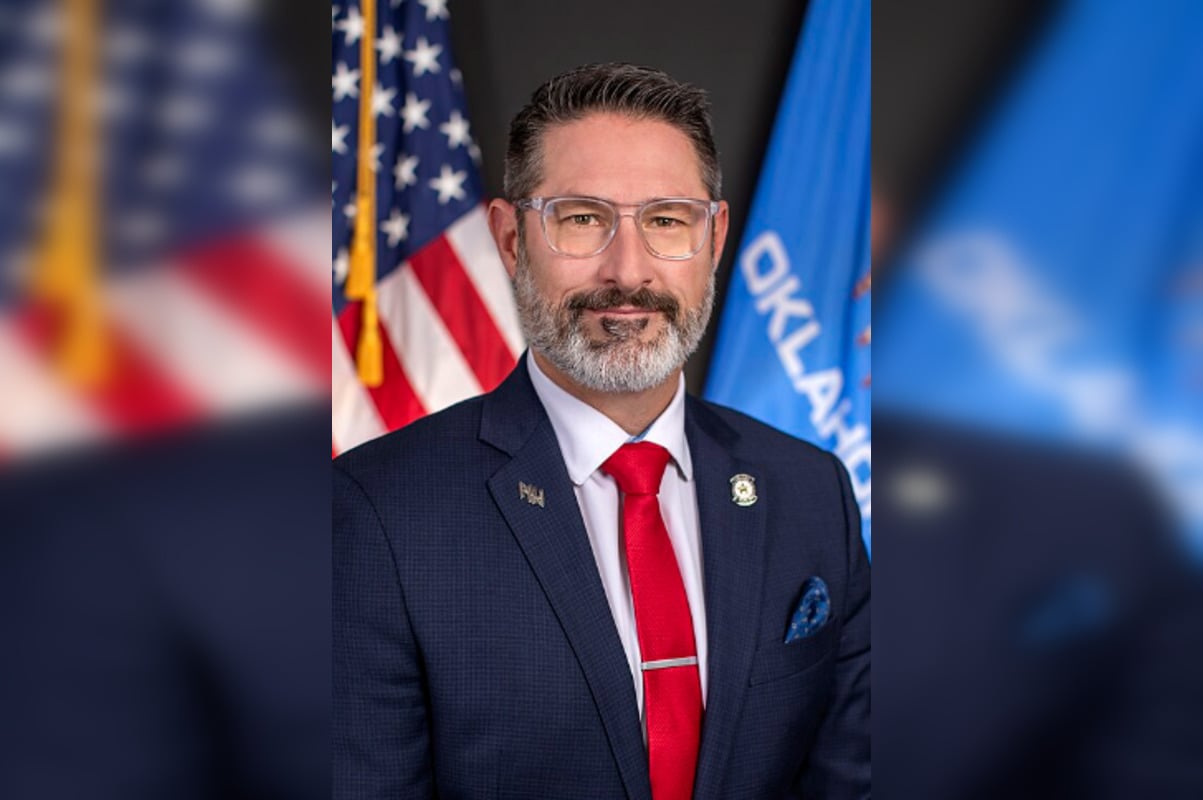
Senator Dusty Deevers of Oklahoma has introduced a series of five immigration reform bills as the state prepares for its legislative session beginning on February 2, 2026. These proposals, collectively branded as “America First,” aim to address illegal immigration and protect local employment opportunities, significantly impacting various sectors in the state.
Deevers, representing Elgin and a member of the Republican Party, articulated his concerns regarding federal immigration policies. He stated, “Reckless federal immigration policies in recent decades are stealing that inheritance and displacing Oklahoma workers.” His remarks reflect a strong intent to preserve job opportunities for Oklahomans, emphasizing the need for reforms that prioritize local labor.
One of the key proposals, SB2073, seeks to restrict state entities from employing workers under H-1B and Optional Practical Training (OPT) visa programs. Deevers argues that such measures are necessary to protect jobs for American workers, asserting that many positions filled by foreign workers are entry-level and do not require advanced skills.
In addition to employment restrictions, SB1850 proposes the implementation of the E-Verify system, which aims to ensure that job positions are indeed filled by legal residents. This initiative, according to Deevers, represents a necessary step in preventing illegal employment practices that can undermine fair business operations.
Another notable proposal, SB2056, seeks to increase taxes on remittances sent abroad. Deevers argues that limiting these funds is essential to retain wealth within Oklahoma, thereby benefiting the local economy.
The bills also include SB2098, which challenges the long-standing principle of birthright citizenship for children born in the United States, regardless of their parents’ immigration status. This proposal directly targets the 14th Amendment of the United States Constitution, which grants citizenship to all individuals born on U.S. soil. Deevers defends this bill as a means to eliminate what he terms “amnesty-by-proxy” and to maintain family unity during immigration enforcement actions.
These legislative initiatives reflect a broader trend among certain Oklahoma lawmakers to align state policies with a stringent interpretation of America-first ideologies. As the legislative session approaches, the proposed bills are poised for hearings and potential enactment.
The upcoming discussions promise to be pivotal for the state’s immigration landscape. As Oklahomans prepare for this crucial debate, Deevers’ proposals highlight the ongoing national conversation surrounding immigration policy and its implications for local workforces and communities.