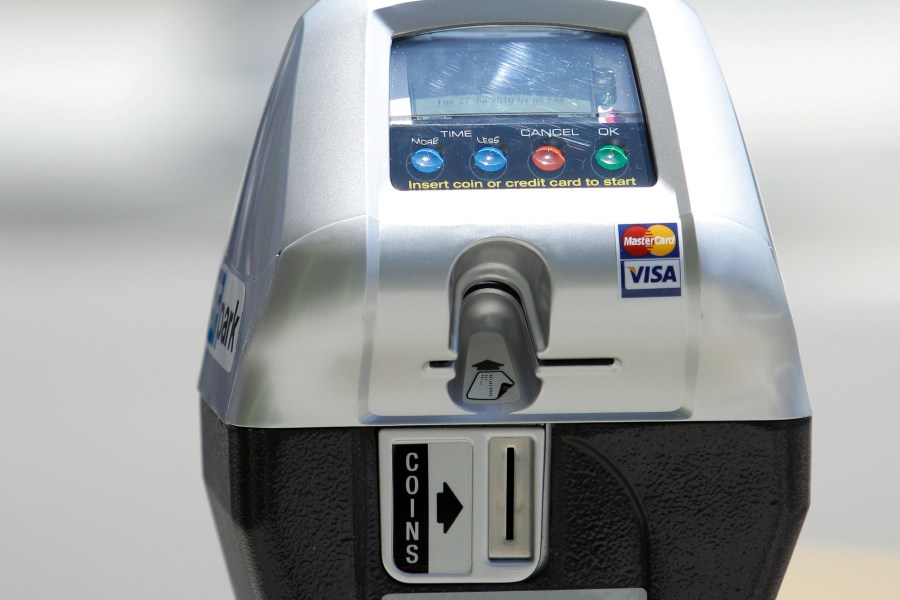
The City of Oakland has announced plans to eliminate free parking on Sundays, a decision aimed at enhancing parking availability and supporting local businesses. This change will take effect on January 4, 2026, as city officials seek to respond to the growing demands of both residents and merchants.
According to the Oakland City Council, the removal of free Sunday parking is part of a larger strategy to optimize the use of parking spaces in the city. Currently, many areas experience significant congestion on weekends, which can deter potential customers from visiting local shops and restaurants. By introducing paid parking on Sundays, city officials believe they can create a more balanced parking environment that benefits both consumers and businesses.
Residents will receive a 30-day warning period prior to the implementation of the new policy. During this time, vehicle owners will be alerted to the upcoming changes, which are expected to be enforced across various neighborhoods in Oakland. The city aims to use this period to educate the public on the reasons behind the decision and the expected benefits for the community.
Supporters of the policy argue that the financial resources generated from paid parking can be reinvested into city services, including improvements to public transportation and enhancements to the overall urban experience. In addition, local business owners have expressed optimism that a more structured parking system will lead to increased foot traffic and higher sales on Sundays.
Critics, however, raise concerns about the potential impact on families and visitors who rely on free parking for weekend activities. Some residents worry that the new fees might discourage people from spending time in the city, particularly those who are already burdened by rising costs of living.
The City of Oakland has emphasized that this decision was not made lightly. Extensive consultations with local stakeholders, including business owners and community members, were conducted before arriving at this conclusion. Officials believe that this change will ultimately lead to a more vibrant city atmosphere, where businesses can thrive while residents enjoy improved access to essential services.
As the January 2026 deadline approaches, city officials are committed to keeping the community informed about the transition and ensuring a smooth implementation of the new parking regulations.