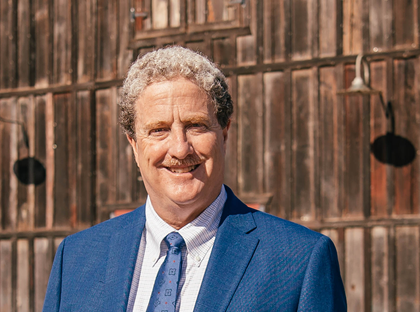
During the recent legislative session, efforts to reform toll roads in Texas faced significant hurdles, as highlighted in an interview with State Senator Bob Hall, a Republican representative for parts of North Texas. Despite introducing over 20 bills aimed at addressing toll road issues, many proposals, including Hall’s push to eliminate tolls once roads are paid off, did not advance. The situation reflects a broader trend in Texas, which from 2001 to 2021 constructed more toll road miles than almost all other states combined.
Concerns Over Toll Road Financing
According to an investigation by The Dallas Morning News, Texas has developed a high concentration of toll roads due to state leaders’ reluctance to raise taxes while managing rapid growth. North Texas, in particular, has the highest number of toll facilities in the state. In Dallas County, toll roads constitute nearly one-third of all major thoroughfares, while they make up 22% of roads in Collin County, 17% in Denton County, and 16% in Tarrant County.
Senator Hall expressed his frustration with the perception that toll companies have the right to charge indefinitely for roads they built. “I don’t agree with the notion that these toll companies own a road forever,” he stated. Hall emphasized that tolls should cease once the construction costs are recouped.
Political Dynamics and Challenges
The senator attributed the failure of toll reform bills to the unique protections toll roads enjoy from both local and state governments. He noted that many lawmakers believe toll roads are beneficial because they do not rely on taxpayer money. Hall remarked, “There are a number of us who believe that we never needed toll roads in the first place. There is no reason to continue to toll the road after it’s paid off.”
Despite the widespread dissatisfaction among motorists regarding tolls, Hall pointed out a lack of vocal opposition from constituents, which complicates legislative efforts. He explained, “People don’t really understand that legislation is usually thought of by a few people. Legislation that gets no opposition is probably going to make it through.”
In addition, Hall introduced a bill aimed at decriminalizing fines for unpaid tolls, a measure met with resistance from toll supporters who argue that penalties are essential for maintaining the toll road system, which carries a debt of $9 billion. Hall criticized the penalties, stating, “You can’t justify the amount of their fees or fines based on their interest rates.”
As the conversation shifted to the future of toll roads in Texas, Hall expressed skepticism about continued expansion. He asserted, “The state could build the roads just as well as a private enterprise could.” He stressed that tolls are essentially a form of taxation and called for a more straightforward approach to funding road infrastructure.
Looking ahead, Hall noted the possibility of legislative shifts as some long-time supporters of toll roads prepare to retire. He remains hopeful that a change in personnel may lead to new discussions about the future of toll financing in Texas. The debate over toll roads, he concluded, is far from over.