Throughout 2025, New York State experienced a series of significant events that shaped its communities, from environmental concerns to devastating natural disasters. This retrospective highlights some of the most impactful stories that emerged throughout the year.
Environmental Issues and Public Health Concerns
In January, reports surfaced regarding allegations from families in Steuben County claiming that a local farm spreading sewage sludge had contaminated their drinking wells with per- and polyfluoroalkyl substances (PFAS), commonly referred to as “forever chemicals.” These substances have been linked to serious health issues, including increased cancer rates and birth defects. The U.S. Environmental Protection Agency released a draft risk assessment that indicated residents living near sewage sludge application sites faced exposure risks. This marked a critical first acknowledgment from the agency concerning the implications of PFAS in biosolids.
As the year progressed, the sewage sludge issue continued to resonate. In April, resident Ryan Dunham reported alarming water quality issues after sewage sludge was applied to a neighboring field. His daughter discovered brown water with a foul odor coming from their shower. Subsequent testing by the Albany County Health Department revealed high levels of E. Coli and coliform bacteria in their well water. Dunham’s experiences catalyzed legislative proposals for a five-year moratorium on the use of sewage sludge in New York, gaining traction amid rising public concern about PFAS.
Natural Disasters and Community Resilience
June brought tragedy to Oneida County when a powerful tornado struck on June 22, killing three individuals, including two young children. The tornado, which reached wind speeds of 105 mph, caused significant destruction, including the collapse of homes. In response, local emergency services mobilized to provide aid to those affected, highlighting community resilience in the face of disaster.
On a different note, February saw a devastating incident for local agriculture. After experiencing heavy snowfall, farmer Richard Pedersen lost 60 cows when his barn collapsed under the weight of the snow. Pedersen had hoped to expand his herd with upcoming calf births, but the unexpected loss struck a severe blow to his operations.
Labor Strikes and Immigration Raids
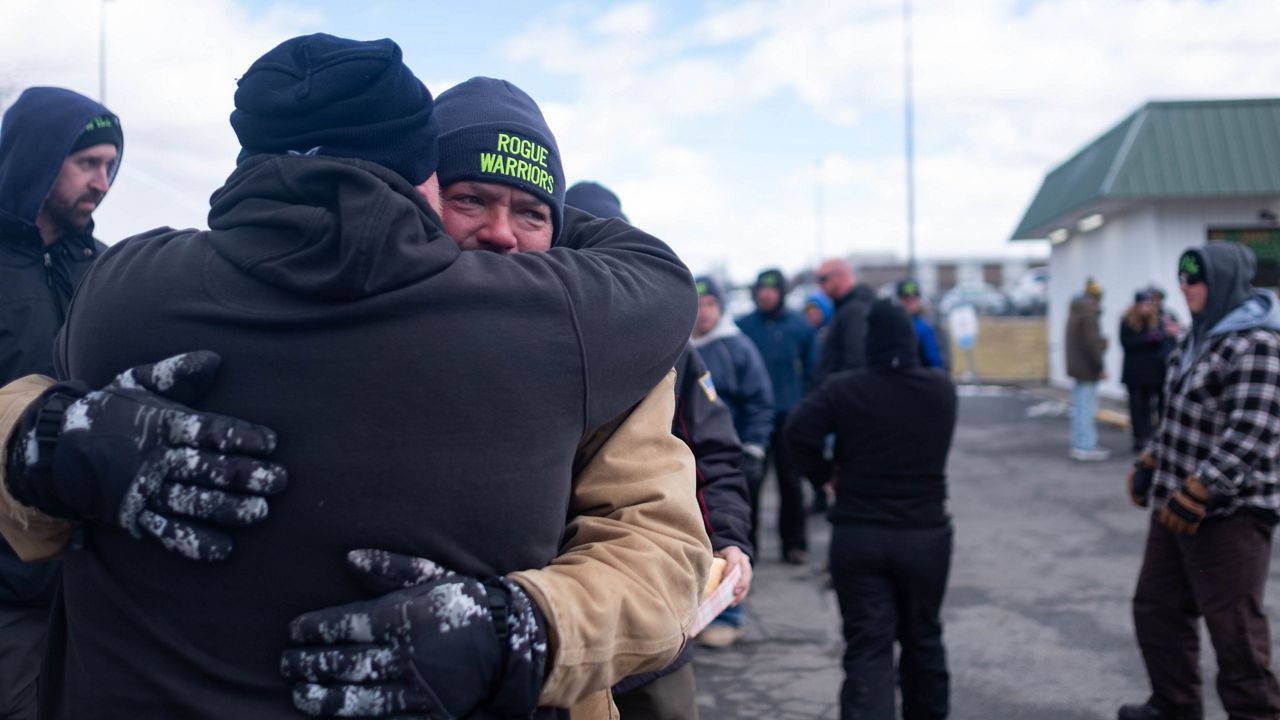
March was marked by labor unrest as prison guards across New York state engaged in a strike to protest poor working conditions. The strike lasted for 22 days, despite efforts from Gov. Kathy Hochul to resolve the situation. This event underscored ongoing issues within the correctional system and the need for improved working conditions.
In September, federal immigration agents conducted a raid at the Nutrition Bar Confectioners factory in Cato, resulting in the detention of 57 individuals. The raid raised concerns among families of those detained, many of whom struggled to locate their loved ones afterward. A federal judge later ruled that agents had violated workers’ Fourth Amendment rights during the operation, sparking discussions about immigration enforcement practices.
Election Milestones and Community Events
November saw a historic moment for the City of Syracuse with the election of Sharon Owens as its first female mayor. Owens, who previously served as deputy mayor, will be inaugurated on January 3, 2026. Her victory reflects a significant step toward gender representation in local government.
The New York State Fair, held in August, showcased the state’s vibrant culture and community spirit. New acts such as a lumberjack show and a stunt dog performance attracted large crowds, and a naturalization ceremony during the fair granted permanent citizenship to 51 individuals, further emphasizing the state’s commitment to diversity.
As 2025 drew to a close, New York faced challenges such as rising family homelessness, with counties struggling to accommodate families in need. Reports indicated that Onondaga County had spent $3.4 million on temporary hotel accommodations for families, while Erie County allocated $13.1 million. The growing crisis highlighted the urgent need for sustainable solutions to homelessness across the state.
In summary, the events of 2025 in New York State reflect a complex tapestry of triumphs and challenges, underscoring the resilience and determination of its communities in navigating both environmental and social issues.