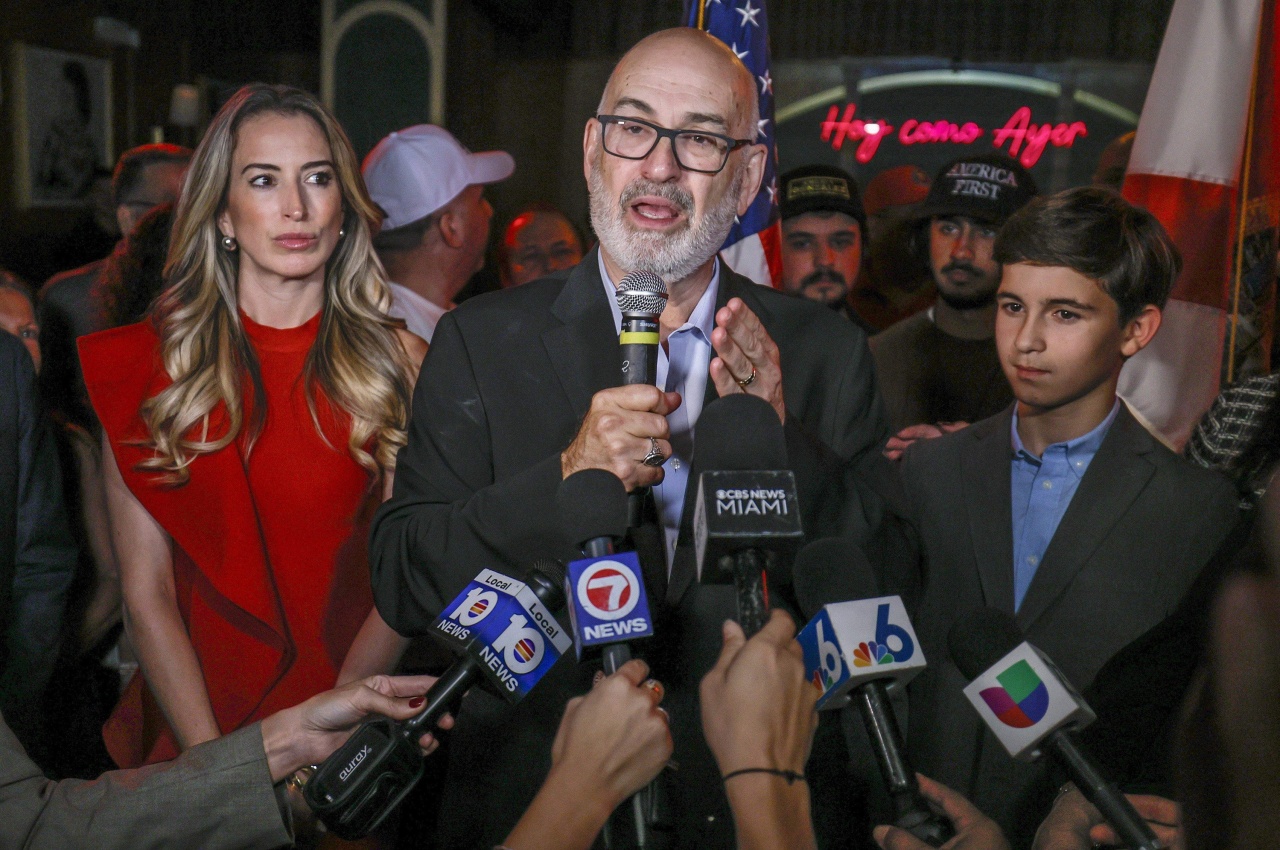
The recent mayoral election in Miami, held on November 7, 2023, has evolved into a significant indicator of voter sentiment towards the current administration’s policies. This runoff election has drawn national attention as local candidates position their platforms in relation to the actions and decisions of the President.
Candidates in the Miami mayoral race have strategically framed their campaigns around key national issues, including economic policies, immigration, and public safety. As a result, the election not only reflects local priorities but also acts as a barometer for national political sentiment. Voter turnout was notably high, underscoring the contentious nature of the race and the electorate’s desire to express their views on broader political matters.
Local Candidates Take Center Stage
The primary contenders in the election have focused their messages on addressing concerns that resonate with Miami’s diverse population. Jane Doe, a former city council member, has emphasized community safety and economic development, while her opponent, John Smith, has rallied support around progressive policies aimed at housing and social equity.
Both candidates have leveraged national narratives to galvanize their bases. Doe has criticized the President’s immigration policies, arguing that they have impacted local communities, while Smith contends that the administration’s economic strategies have failed to benefit ordinary citizens. This dynamic has created a charged environment, where local issues are intertwined with national discourse.
The election outcome may have implications beyond the city limits. Political analysts suggest that the results could influence upcoming elections in other urban areas across the United States, as candidates seek to align themselves with or distance themselves from the current administration’s policies.
Voter Engagement and Implications
Voter engagement has surged in this election cycle, with reports indicating a turnout rate approaching 60% compared to previous elections. This increase reflects a growing urgency among residents to voice their opinions on national policies that affect their daily lives.
Polls leading up to the election suggested a closely contested race, with voters divided on key issues. Many constituents expressed their views through various platforms, including social media, where discussions around the election have proliferated.
As ballots are counted, the Miami mayoral election serves as a reminder of the significant role local elections play in shaping political narratives. The results will likely reverberate across the political landscape, highlighting how local governance is increasingly influenced by national debates.
In this context, the election not only determines the future leadership of Miami but also serves as a crucial reflection of the electorate’s stance on national issues. The implications of this election extend far beyond the city, as it encapsulates the evolving relationship between local governance and national political sentiments.