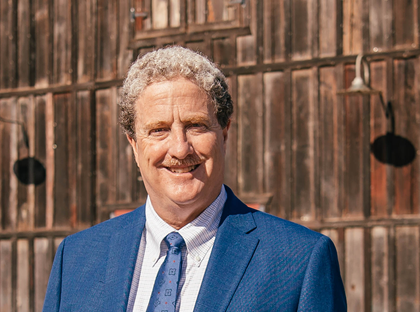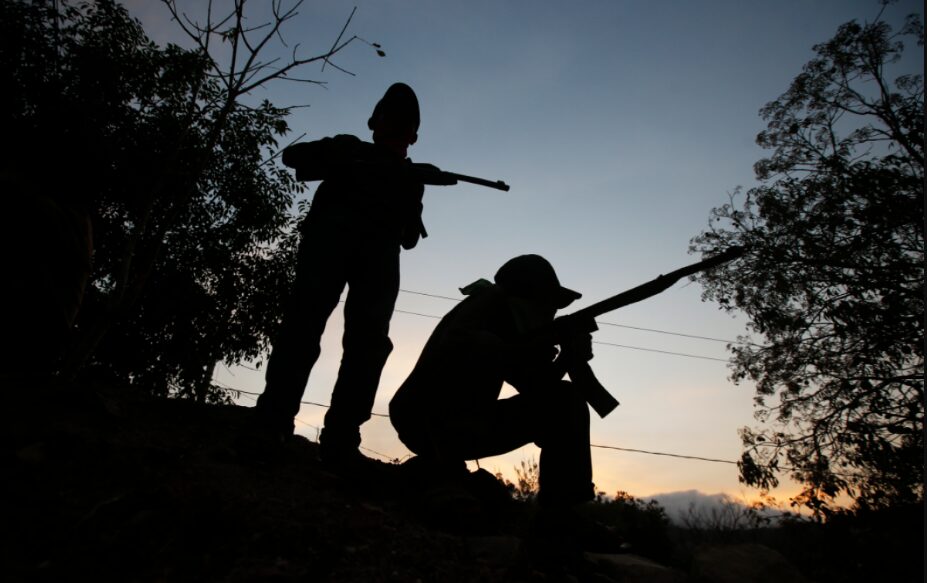
Mexican opposition leader Alejandro Moreno Cardenas has called for a collaborative effort with the United States to dismantle drug cartels operating in Mexico. Speaking with journalist Ciro Gomez, Moreno Cardenas, who heads the Institutional Revolutionary Party (PRI), emphasized the urgency of addressing the cartel crisis, stating, “We need to destroy cartels because they are destroying our country, hence the collaboration.”
Moreno Cardenas pointed to the technological and operational capabilities of the U.S., asking, “Who has the technology? Who has the equipment? Who has the capacity? The U.S. government.” His remarks come amid ongoing discussions about the effectiveness of current anti-cartel strategies in Mexico.
Sheinbaum’s Firm Stance on U.S. Involvement
President Claudia Sheinbaum has previously acknowledged the historical cooperation with the Trump administration regarding cartel operations. However, she has drawn a clear line against deploying U.S. troops on Mexican soil. She stated that during a recent phone call, President Trump reiterated his offer for U.S. military assistance, which Sheinbaum firmly rejected. “Organized crime cannot be equated to terrorism, and Mexico rejects any action that amounts to an intervention in the country,” she asserted.
During her daily briefing, Sheinbaum noted that Trump recognized her administration’s efforts in enhancing security but acknowledged that more could be achieved through mutual respect and collaboration.
U.S. Proposals for Enhanced Cooperation
In a related context, reports suggest the Trump administration is advocating for U.S. forces to accompany their Mexican counterparts during operations targeting suspected fentanyl laboratories. According to a report from The New York Times, this initiative was first proposed early last year but was set aside. The issue has resurfaced following significant political events, including the recent capture of Venezuelan leader Nicolas Maduro on January 3, 2024.
The report indicates that U.S. officials have offered alternatives to direct military involvement, such as increased intelligence sharing and a more significant role for the U.S. within Mexican command centers. Pressure is mounting on Mexican officials to reach an agreement, with some U.S. voices advocating for drone strikes against suspected drug labs. However, locating and effectively targeting these labs remains a challenge.
Currently, the CIA is conducting covert drone flights over Mexico to identify potential fentanyl lab locations. The intelligence gathered is then provided to Mexican forces, many of whom have received training from U.S. counterparts in executing raids. Washington’s latest proposal suggests that U.S. forces could provide support during these operations, while Mexican forces would continue to lead and make critical decisions.
The ongoing dialogue between the two nations reflects a complex balance of cooperation and sovereignty, as both leaders navigate the delicate landscape of international relations and domestic security challenges.