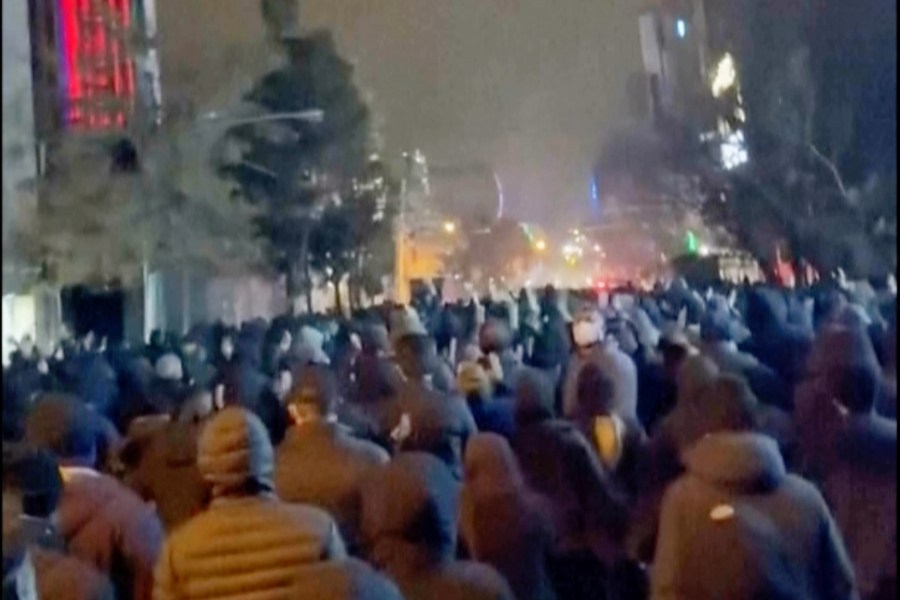
Protests across Iran continue to escalate, reaching a critical juncture as demonstrations in the capital, Tehran, and the second-largest city, Mashhad, have now persisted for over two weeks. Activists report that at least 116 people have died amid the unrest, which challenges the nation’s theocratic governance. The ongoing violence has prompted Iran’s parliament to convene to address the situation.
Reports indicate that the protests, initially sparked by various social issues, have transformed into broader calls for political reform. Activists assert that the government’s response has been increasingly violent, leading to significant casualties. The Iranian authorities have restricted internet access and disrupted phone services, complicating efforts to verify information from within the country.
Impact of Communications Blackouts
The shutdown of internet services has severely limited the ability of both protestors and citizens to communicate. Activists describe a climate of fear, as many individuals are unable to share their experiences or coordinate actions. The Iranian government has justified these measures as necessary for maintaining security, but critics argue it further stifles freedom of expression.
With the parliament now involved, there is speculation regarding potential policy changes or responses aimed at alleviating public grievances. Some lawmakers have expressed support for addressing the underlying issues that have fueled discontent among the populace. Yet, the extent to which these discussions will translate into meaningful action remains uncertain.
Global Reactions and Concerns
International reactions to the protests have been mixed. Human rights organizations have condemned the violence against demonstrators and called for accountability from the Iranian government. The situation has drawn attention from various global leaders, urging Iran to respect its citizens’ rights to free assembly and expression.
As the protests continue, the world watches closely, aware that the outcomes could redefine Iran’s political landscape. The death toll, now at 116, highlights the urgent need for dialogue and reform. The unfolding events in Iran not only impact the nation but also resonate across the region, prompting discussions about governance, rights, and the role of civil society in shaping the future.