Iranian security forces have intensified efforts to suppress dissent by targeting prominent figures within the reformist movement. This crackdown follows violent nationwide protests that resulted in thousands of deaths and widespread detentions. Reports indicate that among those arrested is Nobel Peace Prize laureate Narges Mohammadi, who has received a new prison sentence exceeding seven years. This escalation appears to be part of a broader strategy to silence opposition to the government’s harsh response to civil unrest.
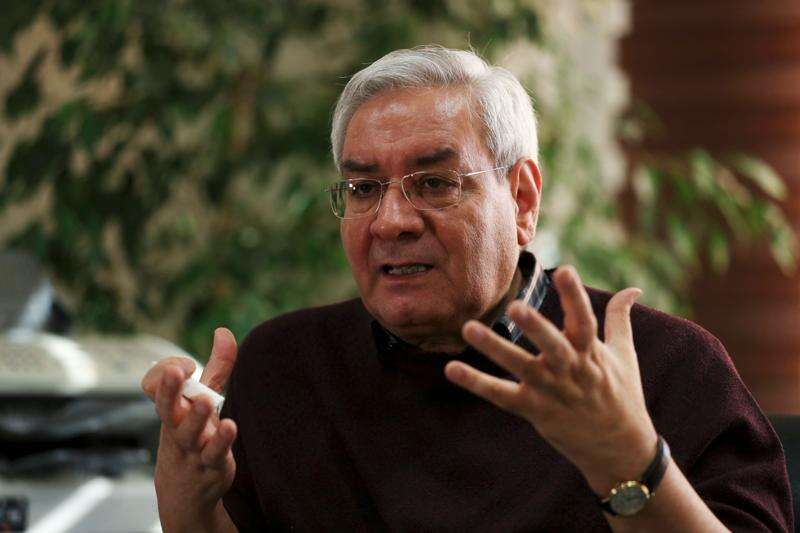
The reformist movement, which seeks to instigate change within Iran’s theocratic framework, has faced significant challenges. According to officials within the movement, at least four members have been detained, including Azar Mansouri, head of the Reformist Front, and former diplomat Mohsen Aminzadeh, who served under reformist President Mohammad Khatami. Another notable arrest is that of Ebrahim Asgharzadeh, who played a key role in the 1979 storming of the U.S. Embassy in Tehran.
These arrests are believed to be linked to a January statement from reformists calling for the resignation of Ayatollah Ali Khamenei, Iran’s Supreme Leader, and the establishment of a transitional governing council. The official Iranian news agency, IRNA, reported statements from Tehran prosecutors indicating that the detainees were accused of “organizing and leading activities aimed at disrupting the political and social situation in the country.”
Political Landscape and International Relations
The shift in focus from public protests to internal suppression suggests the government’s growing anxiety regarding dissent. Ali Vaez, an expert at the International Crisis Group, noted that the regime’s brutality on the streets has transitioned to targeting its “loyal opposition.” He remarked, “Having bludgeoned the streets into silence with exemplary cruelty, the regime has shifted its attention inward, fixing its stare on its loyal opposition.”
Despite the crackdown, the level of political support for reformists within Iran remains uncertain. During recent demonstrations, chants calling for Khamenei’s ouster mingled with calls for the country’s exiled crown prince, indicating widespread frustration with the entire political establishment. This discontent complicates the reformists’ position as they navigate their role in a government that increasingly views them as a threat.
Internationally, Iran and the United States continue to engage in nuclear negotiations. Last week’s discussions in Oman highlighted the contentious issue of uranium enrichment, which remains a significant point of conflict. Iranian Foreign Minister Abbas Araghchi affirmed the nation’s stance on maintaining its enrichment capabilities, a position that has drawn sharp criticism from U.S. President Donald Trump.
As tensions mount, the U.S. has deployed the aircraft carrier USS Abraham Lincoln along with additional military assets to the Middle East, signaling readiness to exert pressure on Iran. This military buildup is seen as a potential precursor to more aggressive actions should diplomatic efforts fail.
Military Activities and Regional Tensions
Amid these developments, Iran announced plans for “rocket launches” in Semnan province, home to the Imam Khomeini Spaceport. These launches are often timed to coincide with significant anniversaries, including the 1979 Islamic Revolution. The Iranian government’s military activities, coupled with its political repression, reflect a dual strategy of projecting strength domestically and abroad.
As the situation evolves, the response from both reformist groups and international actors will be crucial in shaping Iran’s future. The crackdown on dissent highlights the regime’s fear of losing control, yet the widespread dissatisfaction among the populace suggests that calls for change may persist despite governmental efforts to silence opposition voices.