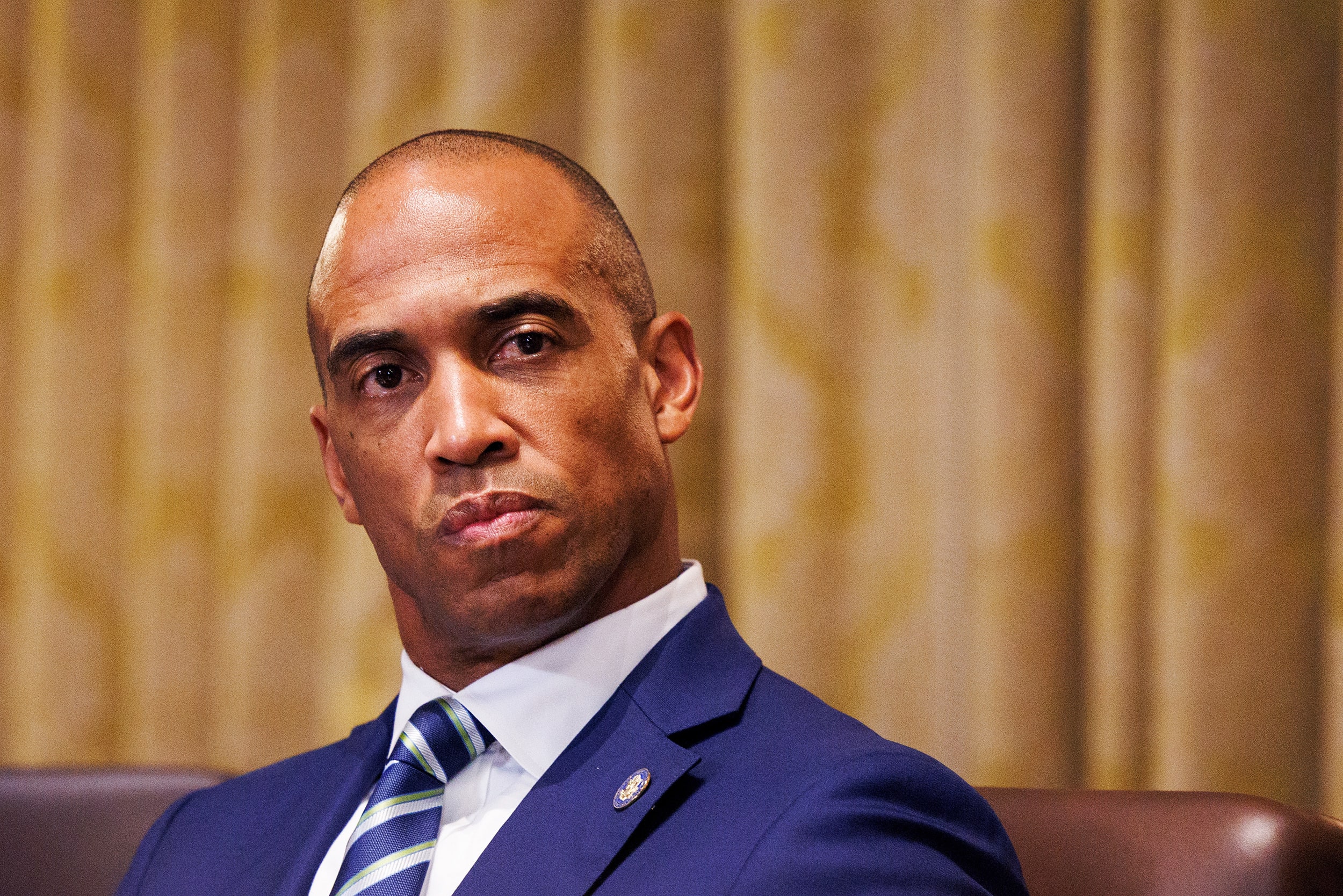
The U.S. Department of Housing and Urban Development (HUD) has unveiled a proposed rule that could potentially displace thousands of families by restricting access to federal housing benefits for those with undocumented immigrants living in their households. HUD Secretary Scott Turner announced the initiative on Thursday, stating that it is part of a broader effort by the Trump administration to address immigration issues.
Under this proposed rule, households that include any member who is undocumented would be barred from living in federally subsidized housing. Additionally, local housing authorities would be mandated to report tenants who do not qualify for rental assistance to the U.S. Citizenship and Immigration Services (USCIS). According to NPR, this could result in significant consequences for families, as it targets those who may already be facing financial hardship.
In an opinion piece published in the Washington Post, Secretary Turner asserted the need to “end the era of illegal aliens and other ineligible noncitizens exploiting public housing resources.” He claimed that there are approximately 24,000 undocumented immigrants living in homes where the primary resident receives housing assistance. However, it is essential to note that undocumented immigrants are already prohibited from receiving federal rental assistance.
The rule raises questions about how the mere presence of an undocumented individual in a mixed-status household could be considered an abuse of taxpayer resources. Critics suggest that the proposal is more about enforcing a political agenda than addressing genuine concerns regarding public housing.
Political Context and Industry Response
The proposed changes are seen as part of a longstanding campaign by the Trump administration to tighten immigration policies. Over the years, various Republican leaders, including Vice President J.D. Vance, have promoted narratives that immigrants are straining U.S. housing markets. Yet, many executives in the housing sector argue that such policies hinder efforts to increase housing availability for all Americans.
Statements made by industry leaders indicate that the administration’s focus on immigration is detrimental to initiatives aimed at building new homes. They argue that the proposed rule could exacerbate the existing housing crisis, rather than alleviate it.
Additionally, the administration has faced scrutiny over its immigration policies, including attempts to end birthright citizenship and deport U.S. citizens. These actions have contributed to a growing distrust among the public about the government’s ability to fairly assess residency status.
Concerns About Racial Bias
Critics of the HUD proposal contend that it reflects a broader trend of racial bias and xenophobia in immigration policy. The suggestion that families could be uprooted simply due to the presence of an undocumented individual has sparked outrage among advocacy groups. They argue that the rule disproportionately affects vulnerable communities and undermines the values of inclusion and support.
Turner’s approach has also been criticized for aligning with far-right ideologies. By championing this rule, the HUD Secretary is seen as prioritizing political rhetoric over practical solutions to housing needs. The implications of this proposal extend beyond the immediate impact on families, raising serious ethical questions about the treatment of immigrants in the U.S.
As the HUD moves forward with this proposal, the potential consequences for thousands of families become increasingly apparent. The ongoing debate highlights the intersections of housing, immigration, and social justice, calling into question the priorities of those in power.
In light of these developments, many are left wondering about the future of housing assistance in the U.S. and the broader implications for immigrant communities across the nation.