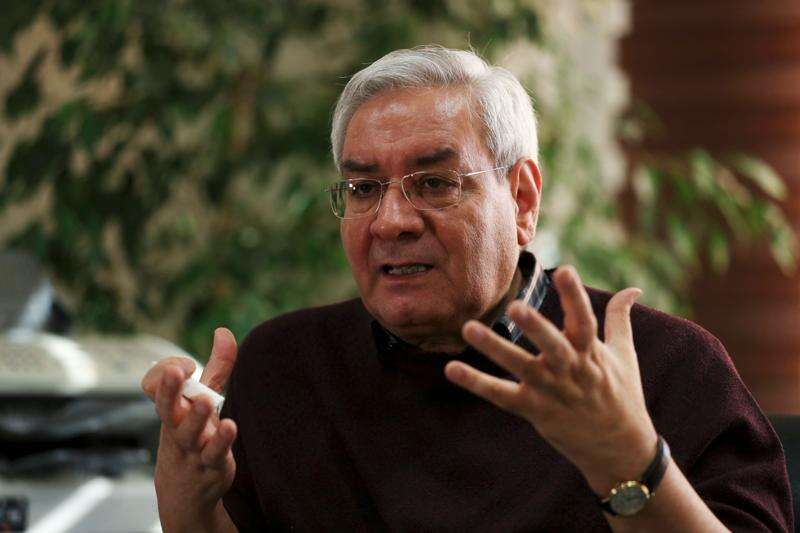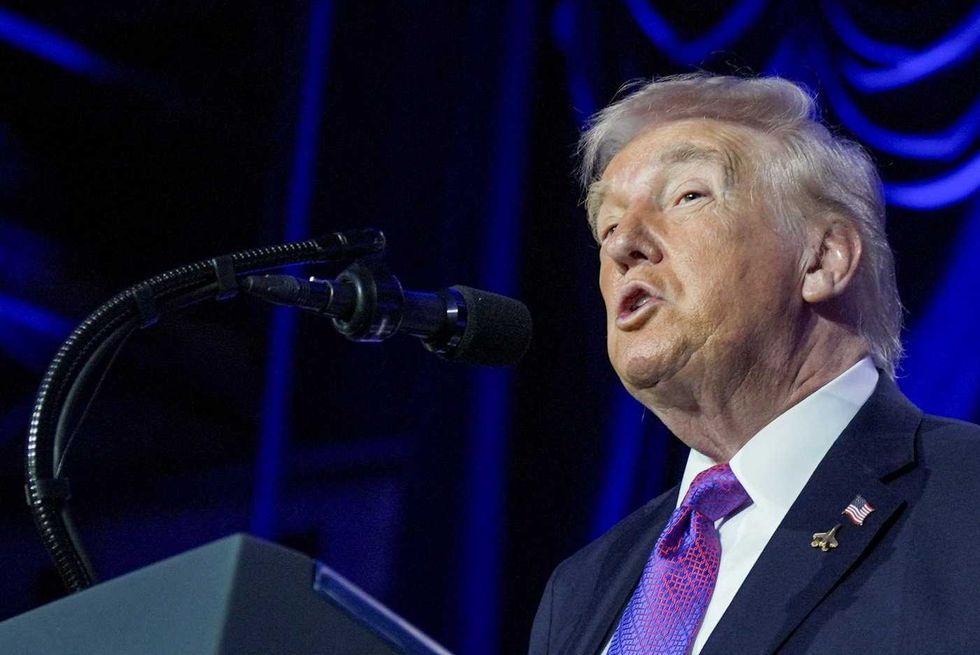
President Donald Trump‘s administration has come under scrutiny for allegedly misleading courts in an effort to silence political adversaries, according to James Sample, a Harvard law professor. In a recent interview with Katy Tur on MSNBC, Sample voiced concerns over a pattern of misrepresentation and the potential violation of legal procedures by the administration.
The discussion emerged amid controversial charges filed by the Justice Department against former CNN journalist Don Lemon. Lemon faces allegations of intimidating churchgoers during an anti-ICE protest at a church where a pastor was reportedly assisting federal immigration officials. He has denied any wrongdoing, asserting that his intention was solely to cover the event. Lemon pleaded not guilty to the charges on October 13, 2023.
Sample highlighted troubling incidents that illustrate the alleged manipulation by the Trump administration. One notable case involved the release of an AI-edited image depicting Nekima Levy Armstrong, a significant protestor at the church, which appeared to show her in distress. This image was initially published by the Department of Homeland Security (DHS) before a different version was released, raising questions about the integrity of the information being presented to the courts.
“It is astonishing,” Sample stated. “This is a pattern of misrepresentation, or just violating court orders or proper procedures.” Tur added that these actions challenge the credibility of the government’s claims, suggesting a broader issue of “narrative-based law enforcement,” which in plain terms refers to the government allegedly deceiving both courts and the public.
The concerns raised by Tur and Sample are echoed by the judiciary. Recently, a judge appointed by former President George W. Bush in West Virginia criticized the detention of an individual without a bond hearing, emphasizing the lack of due process. The judge stated, “This was a contractor, who pays his taxes, who without explanation, without hearing, without notice, or any means of challenging that detention, is seeking release.”
These statements reflect a growing unease among judges across the political spectrum regarding the treatment of individuals labeled as “domestic terrorists” without substantial evidence. Sample pointed out that judges from various ideological backgrounds, including those appointed by Ronald Reagan, are beginning to push back against what they see as unjust practices.
As political tensions continue to escalate, the implications of these accusations are significant. The ongoing discourse surrounding the Trump administration’s approach to legal proceedings and the treatment of dissenters raises essential questions about the rule of law and the preservation of civil liberties in the United States.
The unfolding situation demands close attention as it not only impacts those directly involved but also sets a precedent for future governance and the relationship between the administration and the judiciary. Sample’s assertions highlight the critical need for transparency and accountability within the legal framework, especially when political motivations appear to influence judicial processes.