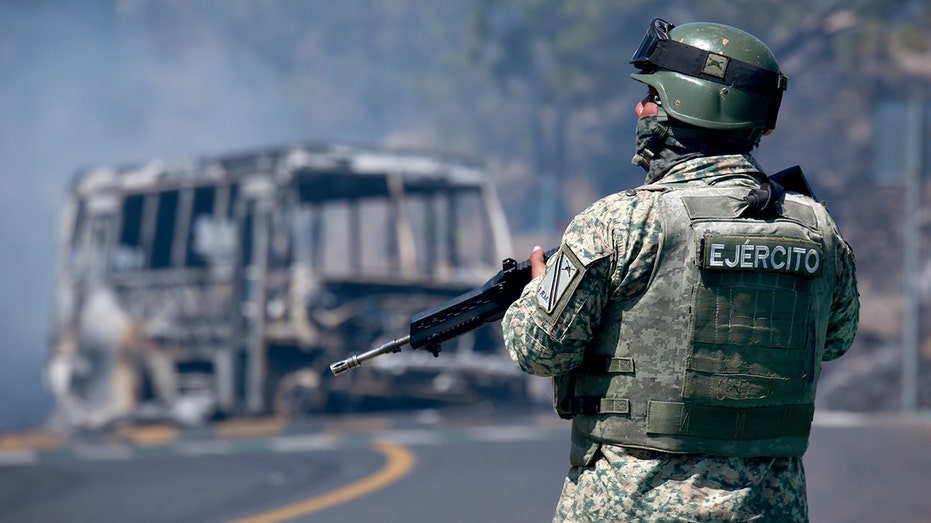
Former Acting Drug Enforcement Administration (DEA) Administrator Derek Maltz has expressed concern over the intensity of the fight against drug cartels, stating that the current U.S. strategy is unprecedented. His comments come in response to President Donald Trump‘s recent pledge to utilize “lethal military force” against these organizations and the announcement of a new coalition of 13 Latin American countries aimed at combating narco-terrorism.
Maltz emphasized the need for a more aggressive approach in a segment on “Fox & Friends Weekend” on February 22, 2024. He stated, “We have to be offensive, and we have to go after these threats like we’ve never done before.” He highlighted the ongoing issues in countries like Colombia, where cocaine production remains high.
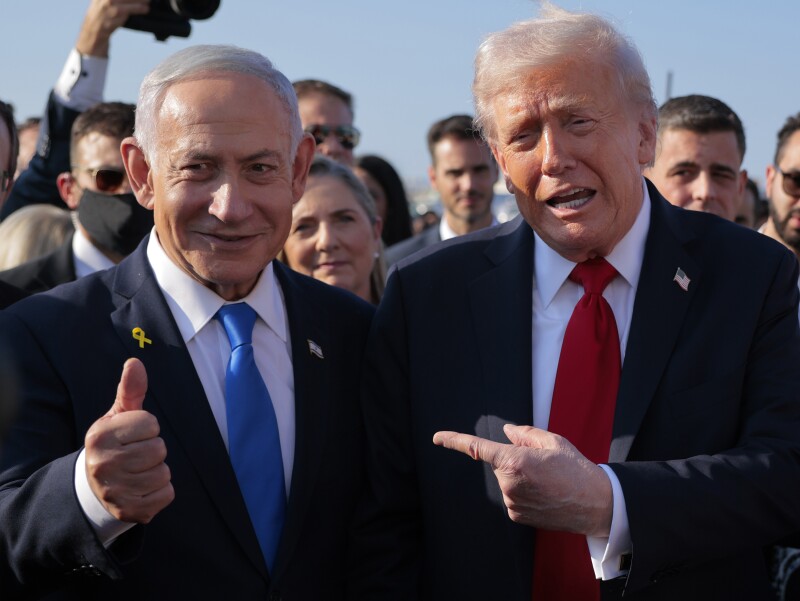
During a “Shield of the Americas” summit in Doral, Florida, on the same day, Trump detailed plans to potentially use missiles to target cartel leaders. “The heart of our agreement is a commitment to using lethal military force to destroy the sinister cartels and terrorist networks,” he asserted. Trump emphasized the precision of missile strikes, suggesting they could effectively eliminate cartel operatives.
Maltz characterized the current administration’s efforts as a significant shift in strategy. He noted a growing willingness among Latin American nations to cooperate against drug trafficking networks. “This administration’s leadership has been unprecedented,” he said. “The cartels and our adversaries deal in death, but this administration fights for lives.”
Recent enforcement actions support Maltz’s assertion that the strategy is yielding results. He cited the seizure of 628,000 carfentanil pills in California, a substance that is 100 times more potent than fentanyl. Additionally, record amounts of methamphetamine have been confiscated across various states, including 2,700 pounds in California and significant amounts in Washington state.
Maltz emphasized the importance of collaboration among nations in addressing the drug crisis. He remarked, “We’re on track now because we’re using law enforcement domestically to decimate these cartels. But now to have these countries uniting… we’ve never seen it.”
The DEA continues to target key players in the drug trade, including the violent Jalisco New Generation cartel, which has been linked to numerous violent incidents. As the situation develops, the emphasis on international cooperation and a more proactive stance against drug trafficking could redefine the strategies employed by law enforcement agencies across the Americas.
As discussions progress regarding military involvement and international coalitions, the implications of these strategies could significantly impact the ongoing battle against drug cartels and narco-terrorism. The situation remains fluid, and stakeholders are watching closely as the U.S. and its partners prepare to take decisive action.