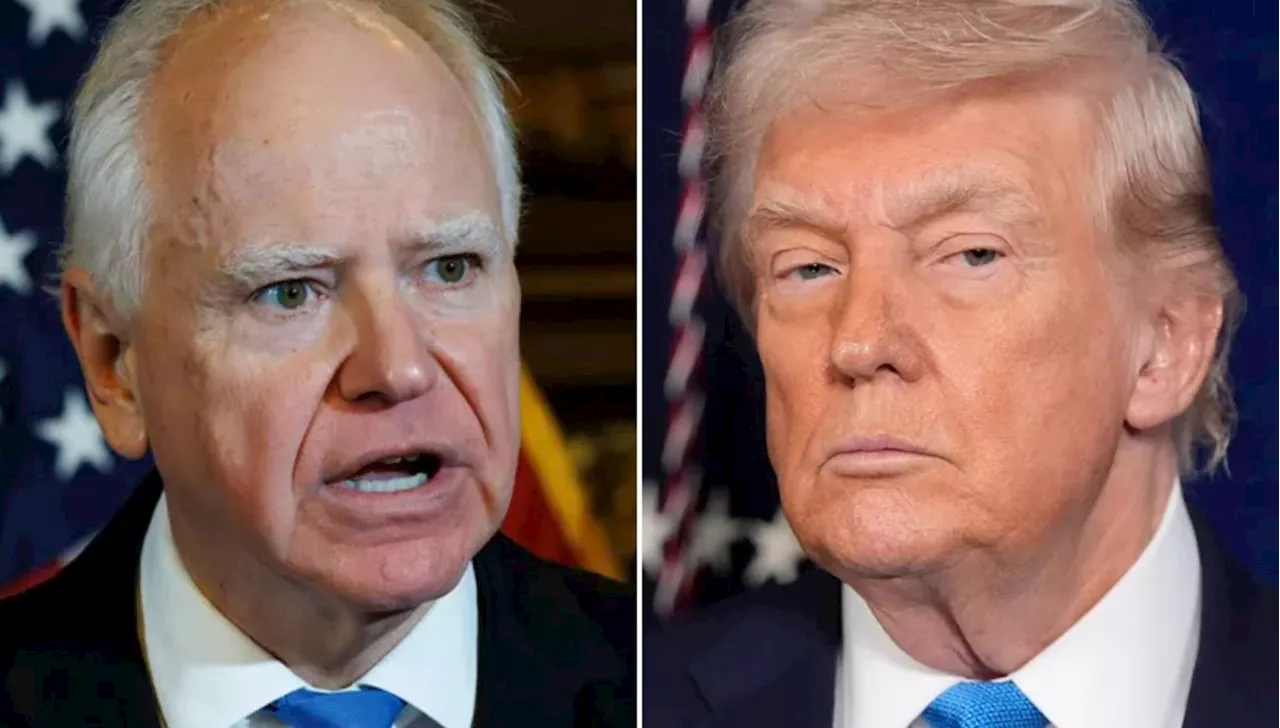
Allegations of fraud within Minnesota’s social services programs have drawn the attention of federal authorities, with investigations potentially implicating Governor Tim Walz. Recent statements from former Trump administration official Leavitt suggest that the federal government is considering holding Walz accountable for his alleged mishandling of fraud investigations, raising significant political and legal implications.
The situation escalated when Leavitt commented during a segment on Fox News, indicating that former President Donald Trump believes Governor Walz may face criminal liability. These remarks have sparked a wave of political debate, further complicating an already tense landscape in Minnesota. As the investigations unfold, questions regarding the nature of the allegations and the extent of accountability for state officials remain at the forefront.
In response to the growing concerns, the Department of Homeland Security has deployed up to 2,000 Immigration and Customs Enforcement (ICE) officers to Minneapolis. This mobilization highlights the federal government’s serious approach to investigating the alleged fraud within the state’s social services programs. The Department of Health and Human Services is also playing a critical role in these investigations, indicating a coordinated effort among federal agencies.
The allegations involve misappropriation of taxpayer funds, with estimates suggesting nearly $9 billion may be at stake. So far, around 98 individuals have faced charges related to these fraudulent activities, underscoring the seriousness of the claims. The investigations are spearheaded by the Justice Department, which is working to determine whether criminal charges will be pursued against implicated officials.
As federal scrutiny intensifies, the political ramifications are becoming increasingly evident. Leavitt’s comments have not only targeted Governor Walz but also implicated other state officials, including Representative Ilhan Omar, adding another layer of complexity to the situation. The political discourse surrounding the investigations is likely to escalate, as leaders on both sides of the aisle respond to the unfolding events.
The implications of these investigations extend beyond the immediate legal concerns. Governor Walz, already facing scrutiny over his policies, may find his administration challenged by the ongoing federal investigation. The political landscape is becoming a crucial element of this story, as comments from federal officials and local representatives reflect differing perspectives on the issues at hand.
The deployment of federal agents to Minneapolis is a clear indication of the federal government’s commitment to addressing the alleged fraud. As the investigation expands, the focus will also include how state officials have managed these inquiries, potentially leading to further accountability measures.
As the situation develops, it remains essential to approach the unfolding events with a focus on the rule of law. The findings of the investigations will be pivotal in determining the future of Governor Walz and the overall political climate in Minnesota. The outcome may influence public opinion and voter sentiment as the state navigates these serious allegations of fraud and mismanagement.
The investigations are ongoing, and the public will be closely watching how they unfold and what implications they may have for Minnesota’s leadership and its residents. The gravity of the allegations demands thorough scrutiny and an unwavering commitment to justice as this significant story continues to evolve.