Travelers from the Chicago area recently embarked on a journey to Iraq, seeking to uncover the nation’s rich cultural landscape beyond its often negative media portrayal. The group, led by Feryal Salem, an associate professor at the American Islamic College, visited significant historical sites and engaged with local communities, finding warmth and hospitality in a country marked by resilience.
A highlight of the trip was a visit to the historic Al-Mustansiriya University, an 800-year-old institution in Baghdad. Here, Mahdi Ali Raheem, a curator at the Iraq National Museum, shared his fond memories of Chicago from over 15 years ago. Raheem enthusiastically recounted his experiences at the Field Museum, emphasizing that he disregarded warnings about certain neighborhoods, discovering a vibrant city instead. His account reflects a broader narrative: individuals often have a more complex relationship with places than what stereotypes suggest.
The group, consisting of 33 participants, had initially dismissed various travel advisories. Their apprehension transformed into appreciation upon witnessing the beauty of the Tigris River and interacting with locals over traditional beverages. As they explored the urban landscape, signs of renewal became evident, with new residential buildings emerging as symbols of hope and stability in a region historically impacted by conflict.
While many young Iraqis, over half of whom are under 25, did not live through the turmoil of the Global War on Terror, remnants of that era remain. Yasser Al-Kufi, an Iraqi tour guide, highlighted this reality, sharing personal stories of loss from his childhood during Saddam Hussein’s regime. His experiences serve as a reminder of the enduring scars left by years of instability. Al-Kufi’s reflections on the aftermath of the U.S. invasion convey a critical view of the past, where initial hopes were overshadowed by subsequent violence.
The group also visited significant sites that commemorate Iraq’s tumultuous history, including Firdos Square, where the statue of Saddam Hussein was famously toppled in 2003. This location now stands as a complex symbol of Iraq’s painful transition, embodying both the liberation and the challenges that followed.
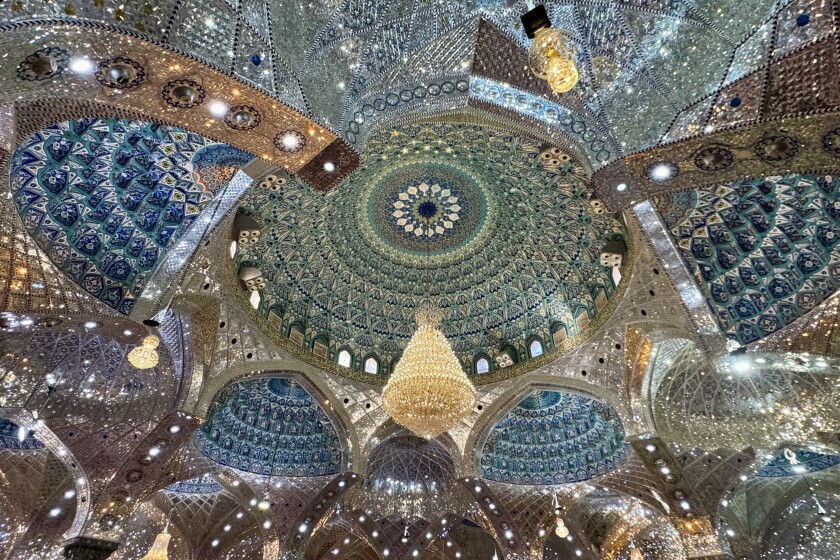
The cultural richness of Iraq is evident in its stunning architecture and historical sites. The impressive mosques and the ancient ruins in Babylon offer a stark contrast to the narratives often portrayed in the media. The spiritual journey to Najaf and Karbala allowed the travelers to engage with the deep-seated traditions of the Shia community, who annually make pilgrimages to honor significant historical figures.
The group’s journey was not without its somber moments. Tragically, Zia-ur-Rahman Khan, a 78-year-old member of the expedition, passed away shortly after returning to Pakistan. Khan, a retired physician, had shared memorable moments during their travels, including guiding fellow travelers on culinary adventures in Najaf. His passing resonates deeply, reminding the group of the fleeting nature of life and the importance of connection.
Despite the challenges faced by Iraq, the warmth and resilience of its people shine through. The travelers’ experiences reveal that it is possible to find comfort and familiarity in unexpected places. As they reflect on their journey, they carry with them not only the stories of the past but also a renewed understanding of Iraq’s cultural richness, which defies the ominous narratives often presented in international headlines.
The trip, characterized by moments of joy, reflection, and cultural exchange, underscores the idea that there is much more to Iraq than the challenges it faces. It serves as a reminder that every place has its own story, waiting to be discovered beyond the surface.