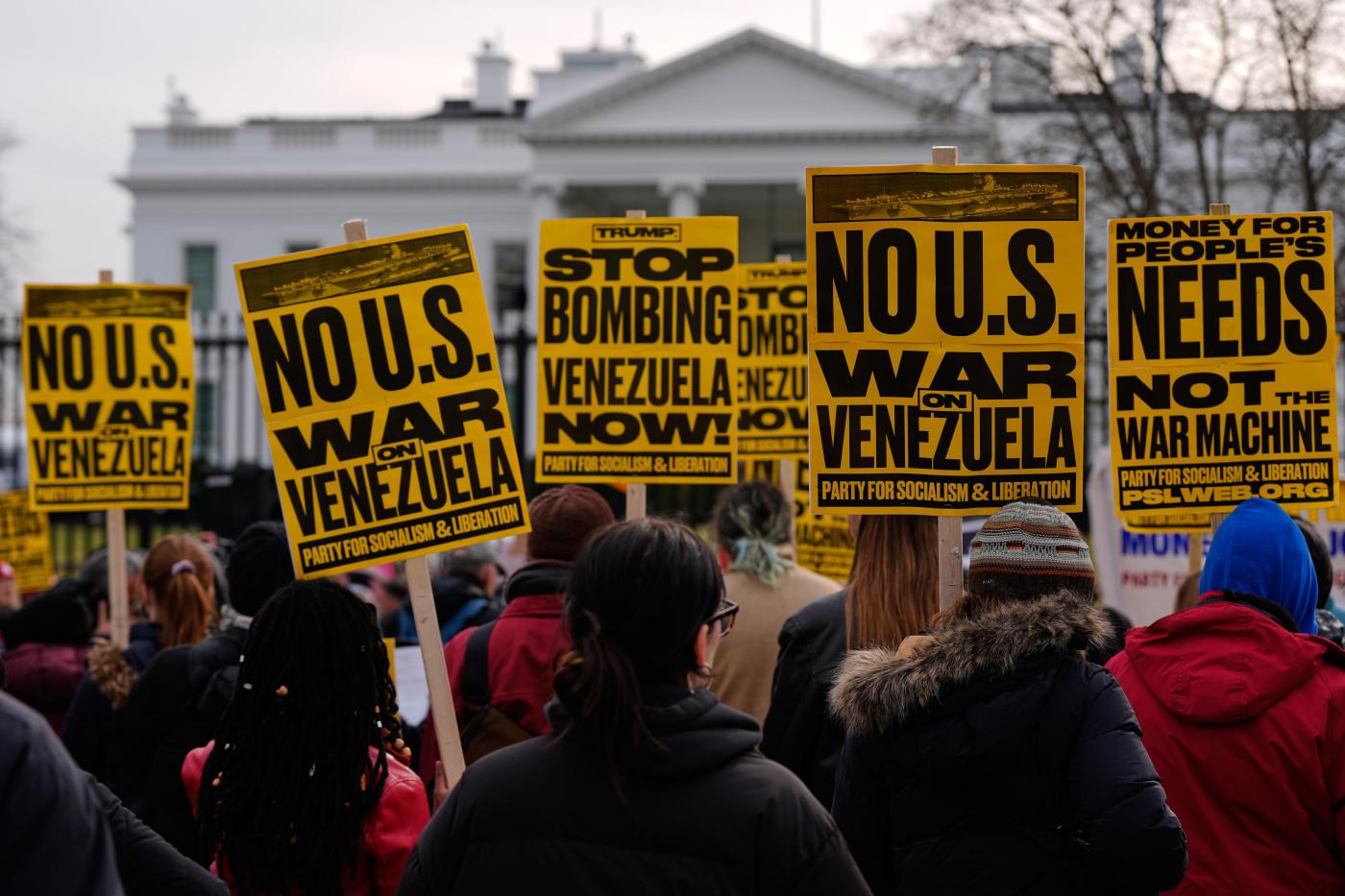
Recent commentaries in *The Baltimore Sun* have sparked a debate regarding the political situation in Venezuela, particularly focusing on the arrest of President Nicolás Maduro. The contrasting opinions of Sandeep Gopalan and Bruce Fein have drawn attention to the complexities surrounding Venezuela’s governance and international relations.
In his commentary titled, “There’s nothing illegal about Nicolás Maduro’s arrest,” published on January 4, 2023, Gopalan presents a well-reasoned argument. He supports his claims with documented evidence, outlining the legal implications of Maduro’s actions. Gopalan argues that the arrest could have significant repercussions, both for Venezuela and the broader region. His concise and articulate analysis encourages readers to consider the legal framework surrounding international law and the responsibilities of state leaders.
Conversely, Bruce Fein, a former government attorney, offers a starkly different perspective in his piece, “Venezuela will be Trump’s Waterloo,” also published on January 4, 2023. Fein characterizes the situation as “criminal aggression” but fails to substantiate this assertion with any concrete evidence. Instead, he relies on emotive language, using phrases like “swaggering hubris” and “indefinite duumvirate rulers” to express his viewpoint.
Fein’s commentary includes a sweeping claim that “nobody believes that prosecuting or imprisoning Nicolás Maduro will save a single American life from a drug overdose.” This statement raises questions about its validity, particularly as it lacks supporting polling data. Such assertions can shape public perception, yet without evidence, they risk becoming mere rhetoric.
Moreover, Fein’s conclusion, stating that “impeachment and removal… is inescapable,” echoes the alarmist tone found in his earlier statements. This type of prediction, lacking a factual basis, may detract from the seriousness of the issues at hand. The contrasting approaches of the two authors highlight the challenges in discussing Venezuela’s political landscape, which remains fraught with complexities and differing interpretations.
The debate surrounding Venezuela’s leadership and the international response continues to be a contentious topic. Gopalan’s methodical approach contrasts sharply with Fein’s more sensationalist style, illustrating the spectrum of opinion on this critical issue. As the situation evolves, it remains essential for discourse to be grounded in evidence and thoughtful analysis rather than emotive expressions.
Readers are encouraged to engage further with these discussions, contributing their own perspectives and insights on this pressing global matter.