China’s Foreign Ministry has publicly criticized the United States for its attempts to acquire Greenland, asserting that such efforts reflect a pursuit of selfish interests in the Arctic region. This statement underscores the rising tensions surrounding geopolitical dynamics in the Arctic, a territory increasingly viewed as strategically significant.
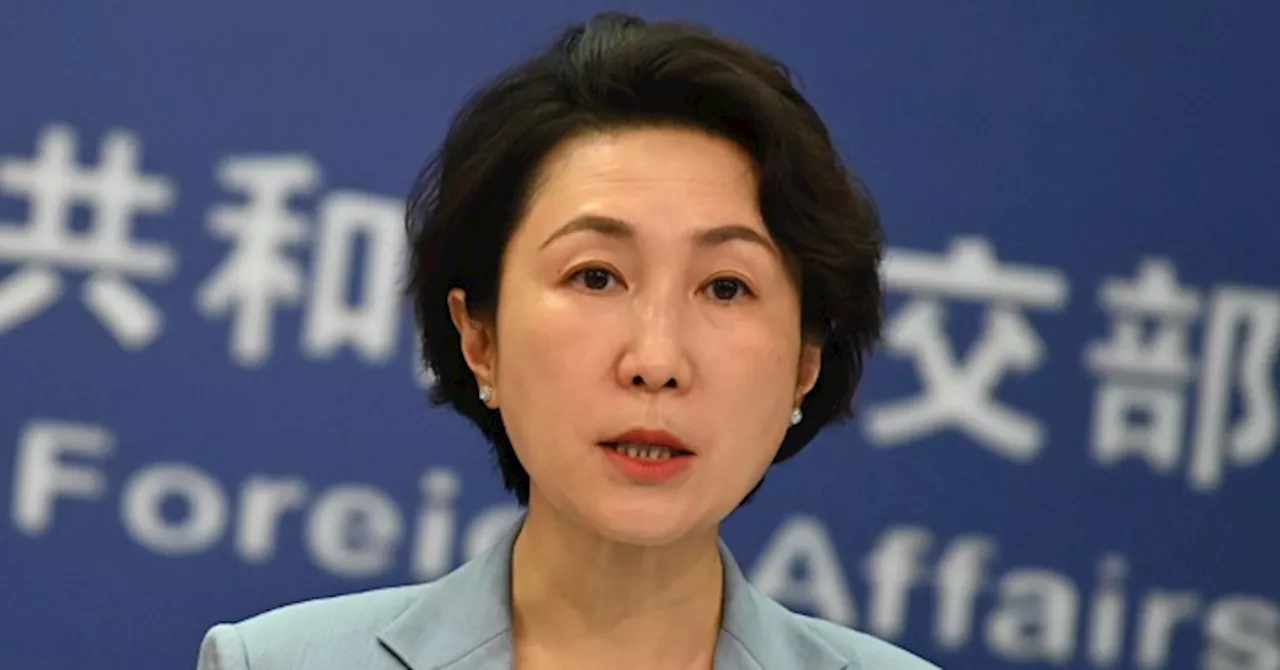
In a statement released on March 12, 2024, spokesperson Mao Ning emphasized China’s commitment to peace, stability, and sustainable development in the Arctic. She stressed the importance of adhering to international law and respecting the rights of nations operating within the region. The assertion follows concerns regarding China’s growing investments in Arctic territories, particularly in Greenland, and Beijing’s broader ambitions under its Polar Silk Road initiative.
Mao criticized the U.S. for allegedly using foreign nations as a pretext for advancing its own interests. “The Arctic bears on the common interests of the international community. China’s activities in the Arctic aim to promote the peace and sustainable development of the region. These actions align with international law,” she stated.
The remarks come as President Donald Trump has expressed interest in acquiring Greenland, a semi-autonomous territory of NATO ally Denmark. This acquisition is perceived by some analysts as a strategic move to counter potential Russian or Chinese influence in the Arctic. Greenland’s current governance structure grants Denmark significant control over foreign investments, causing concern for U.S. officials regarding Beijing’s growing economic footprint in the region.
China has invested heavily in Greenland’s resources, including rare earth minerals. In 2016, a state-linked firm, Shenghe Resources, acquired a stake in a mining project in southern Greenland, although the project collapsed after the Greenlandic government imposed a ban on uranium mining in 2021. Additionally, in 2018, China made bids to upgrade airports in Greenland’s cities of Nuuk and Ilulissat, but withdrew under pressure from both the U.S. and Denmark.
Analysts indicate that if Greenland were to achieve full independence, it could open the door for increased Chinese investment and influence, which the U.S. views as a potential security risk. Xinbo Wu, a professor at Fudan University, noted that China would defend its interests in Greenland robustly, citing its stakes in resource exploration and Arctic shipping routes.
The escalating rhetoric between the U.S. and China reflects broader concerns about Arctic security. China’s involvement in the region has drawn attention from various nations, particularly in light of the changing climate and the potential for new shipping routes emerging around Greenland due to global warming.
As the geopolitical landscape continues to evolve, the Arctic remains a focal point for international relations, with countries vying for influence and access to its vast resources. The ongoing dialogue around Greenland’s status and the implications of U.S. interests will likely shape future discussions on Arctic policy and international cooperation.