As the United States approaches the 250th anniversary of its founding on January 1, 2026, Dexter Southfield School in Brookline is also preparing to celebrate its centenary. This dual milestone prompts a reflection on the significance of history and civic duty, a theme emphasized by renowned historian David McCullough, who once stated, “History is who we are and why we are the way we are.” In this moment of commemoration, there lies a profound responsibility to honor past generations while contemplating the values and lessons we choose to carry forward.
McCullough highlighted the vitality of history, asserting that it is filled with individuals who engaged in the ongoing struggle for progress. “The marvelous thing about the past,” he remarked, “is whenever you reach down into it, all you find is life.” This perspective is particularly relevant today when civic engagement often gives way to performative actions. McCullough argued that a healthy democracy relies on active citizen participation, warning that institutions are fragile and freedoms can erode when citizens withdraw from civic life.
Founded in 1926, Dexter Southfield School was established by families who viewed education not merely as a means to achieve success, but as a crucial aspect of nurturing responsible citizenship. Schools like Dexter play a vital role in shaping both intellect and character, which are essential for sustaining strong democracies. Notably, one of Dexter’s distinguished alumni is John F. Kennedy, who, prior to becoming a national leader, was influenced by a curriculum that prioritized history, debate, and public service.
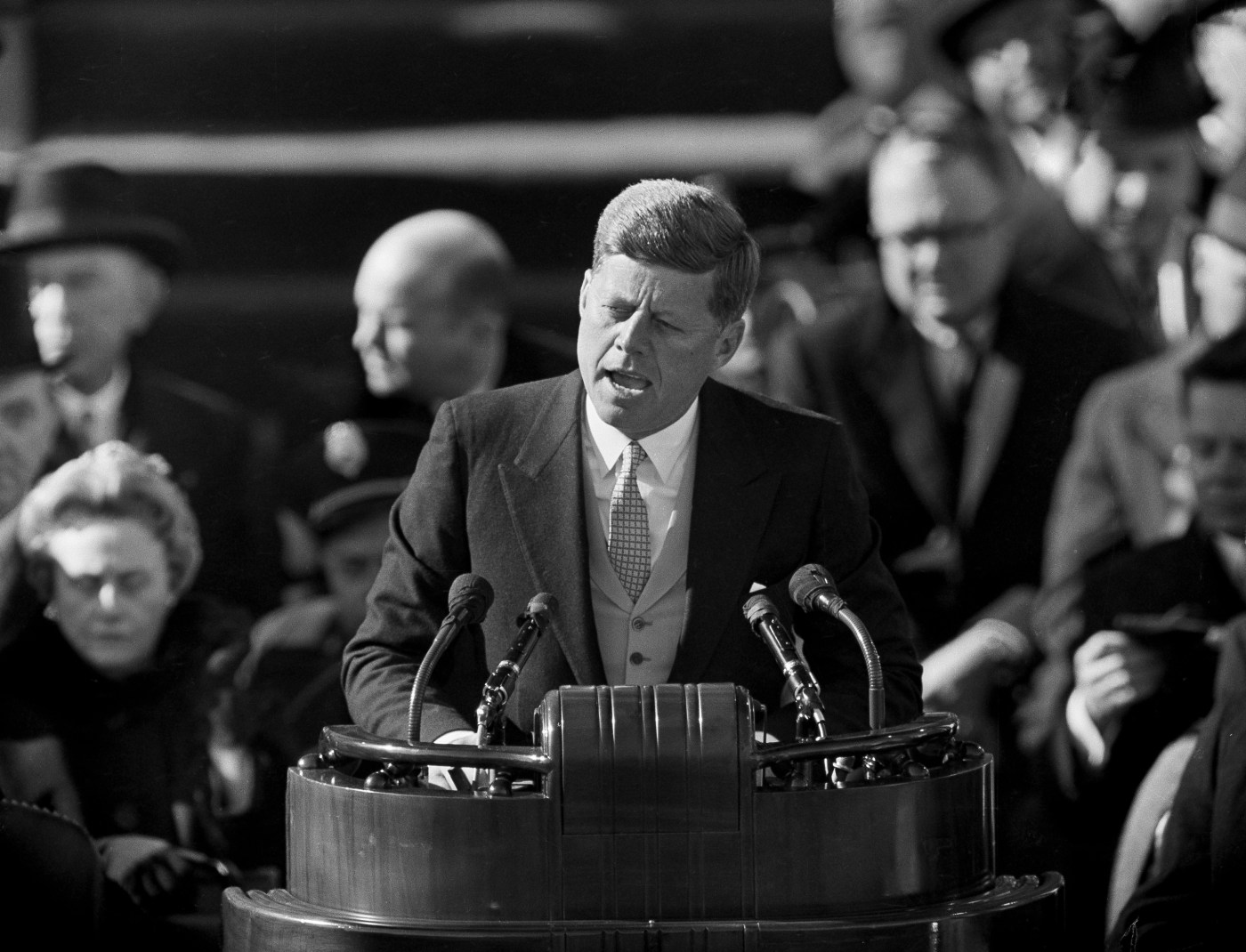
Kennedy’s formative experiences at Dexter instilled in him the values of standing for what is right and engaging in public discourse. He famously urged Americans in 1961 to “ask not what your country can do for you, ask what you can do for your country,” a call to collective responsibility that continues to resonate today. This emphasis on civic engagement underscores McCullough’s belief that democracy thrives when individuals are proactive in their communities and institutions.
As we commemorate both the founding of the nation and the establishment of Dexter Southfield School, the relevance of historical awareness becomes clear. McCullough described himself as a “short-term pessimist and a long-term optimist,” acknowledging the challenges of the present while maintaining faith in the potential for progress through active engagement. History serves not only as a record of past events but also as a guiding light for future generations willing to learn from its lessons.
President Kennedy’s declaration that “the torch has been passed” serves as a reminder of the ongoing responsibility to uphold the values of citizenship and civic engagement. Today, that torch continues to be passed in classrooms and communities, through meaningful conversations, commitments, and daily choices that shape our collective future.
As we enter this milestone year, it is crucial to embrace this inheritance with both gratitude and courage. We are called to serve the institutions and civic life that underpin our society. The importance of history, as McCullough articulated, is not merely in its remembrance but in its power to inspire action and responsibility. In this year of significant anniversaries, the call to participate actively in shaping the future is clear. History asks no less of us.