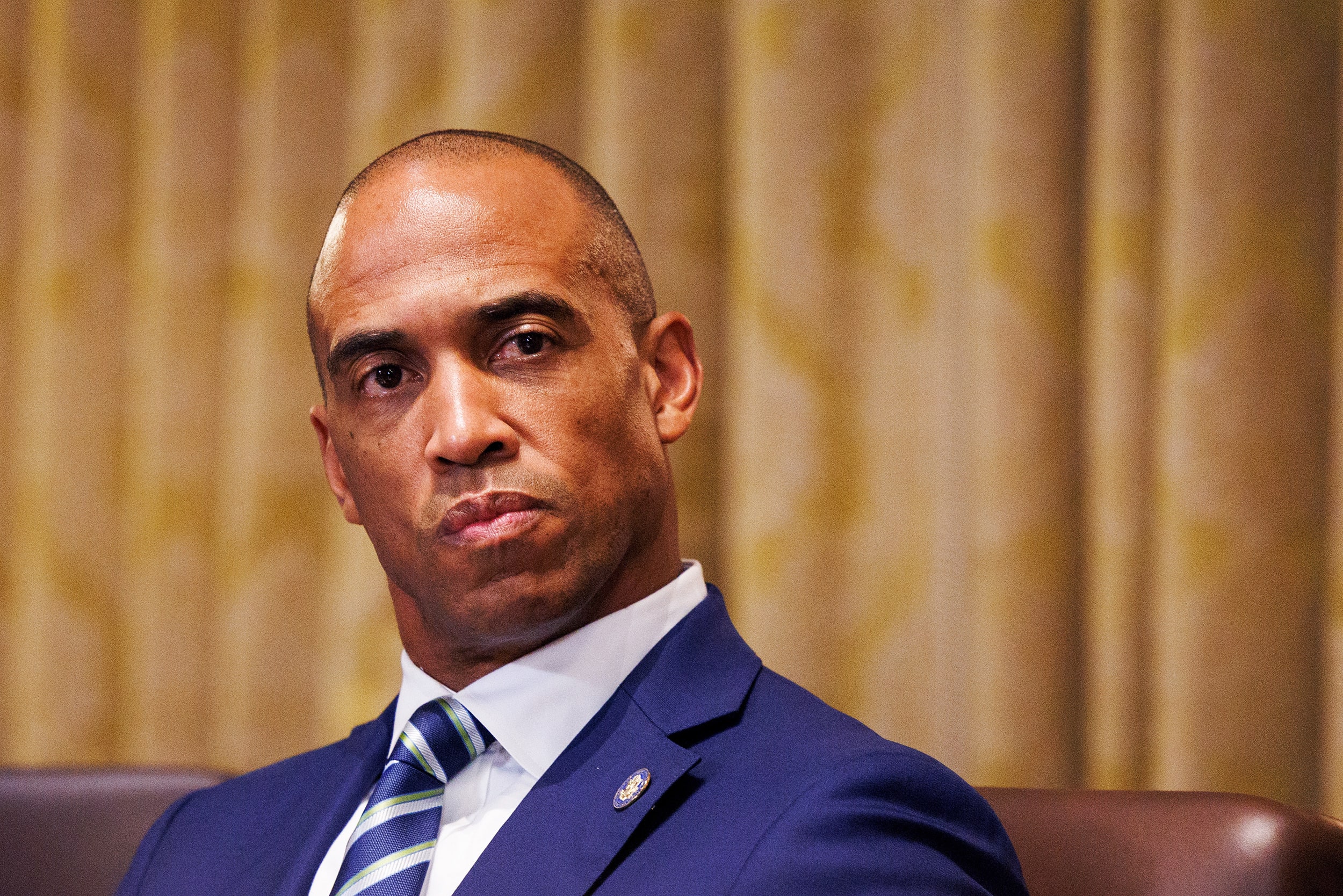
Bishop Ronald Hicks has officially taken the helm of the New York Archdiocese, succeeding the beloved Timothy Cardinal Dolan. This transition comes at a crucial time for the church, as Hicks faces both significant challenges and opportunities in a diverse and complex diocese.
Hicks inherits a sprawling archdiocese that has long been a cultural bellwether within American Catholicism. Cardinal Dolan, known for his engaging personality and advocacy on various social issues, has set a high bar. As Hicks steps into this role, he must navigate not only the legacy left by his predecessor but also pressing contemporary matters that impact the church and its followers.
One of Hicks’ immediate challenges involves the ongoing settlement related to sexual abuse victims, which amounts to several hundred million dollars. The archdiocese has indicated that addressing this financial burden may involve selling a prominent half-billion-dollar property in Manhattan. While painful, this sale could also provide Hicks a platform to demonstrate his commitment to transparency and financial accountability, potentially reallocating resources towards evangelization, education, and services for the poor.
Addressing Contemporary Issues
Hicks also faces significant ethical dilemmas, particularly in light of the anticipated signing of a bill by Governor Kathy Hochul that would legalize physician-assisted suicide in New York. This legislation poses serious concerns for vulnerable populations, such as the elderly and disabled, who fall under Hicks’ pastoral care. The new archbishop will need to respond thoughtfully to this issue, which is likely to become a focal point in national discussions on assisted dying.
Additionally, immigration remains a pressing topic. The New York Archdiocese is home to one of the largest immigrant communities in the United States. Hicks must balance the rapidly changing national immigration policies with the Church’s longstanding commitment to uphold the dignity of every individual. This task is complicated by the fact that many regular churchgoers may not fully align with the positions taken by the United States Conference on Catholic Bishops regarding immigration.
Engaging the Next Generation
A significant opportunity for Hicks lies in the growing interest among young people in the Catholic faith. Reports indicate that parishes from Greenwich Village to the Upper East Side are experiencing a surge in enrollment for the Rite of Christian Initiation of Adults, particularly among younger individuals searching for meaning in today’s world. Cardinal Dolan himself noted, “Walking through St. Patrick’s Cathedral, I am always impressed by the number of young people there,” highlighting the potential for renewed vitality in the church.
Hicks’ challenge will be to unify his congregation while respecting the diverse perspectives within it. He must encourage a focus on authentic faith amidst the distractions of modern society, including harmful online narratives that misrepresent church teachings. The task at hand is not to reinvent Catholicism in New York but to faithfully steward its progression, deepening unity and guiding one of the church’s most significant dioceses.
As Bishop Hicks embarks on this journey, he does so with the foundation laid by Cardinal Dolan. The legacy of strong leadership and community engagement will serve as a vital resource as he navigates the complexities of contemporary issues and seeks to inspire a new generation of believers.