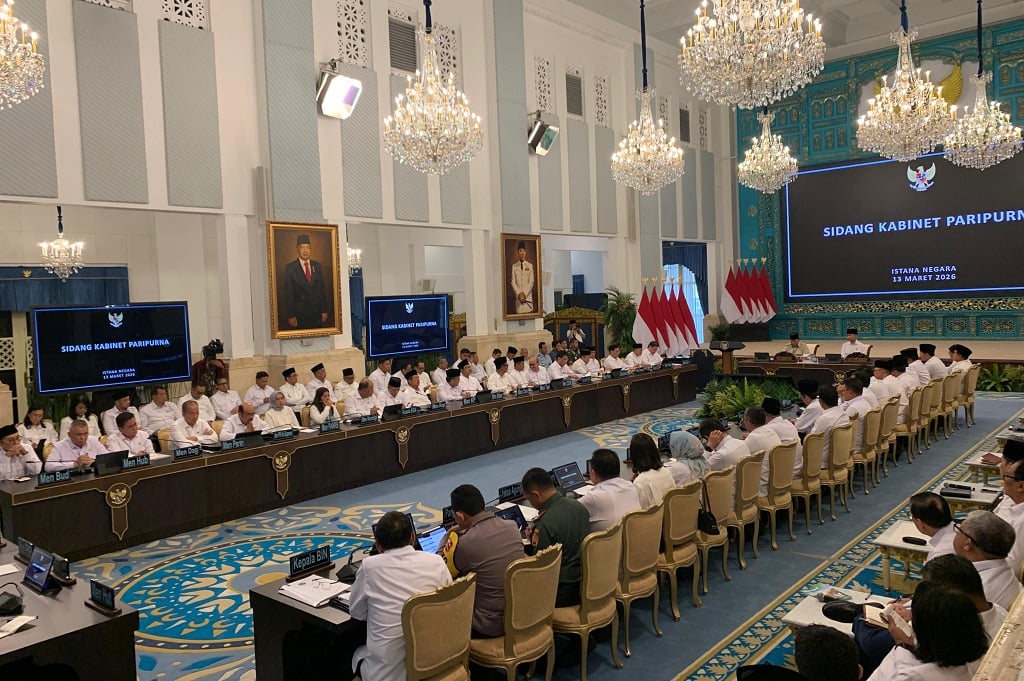
President Prabowo Subianto of Indonesia is evaluating potential salary reductions for government ministers and members of the House of Representatives (DPR) as part of a broader effort to implement austerity measures amid the ongoing conflict in the Middle East. This consideration comes as Indonesia seeks to navigate the economic impacts of international tensions.
In a recent statement, M Sarmuji, the Secretary-General of the Golkar Party, expressed his party’s readiness to accept salary cuts if necessary. “If the country needs us, we are prepared to have our salaries reduced,” Sarmuji said on March 14, 2026. His comments reflect a willingness among party members in both the executive and legislative branches to contribute to national financial stability during challenging times.
Sarmuji emphasized that the decision to cut salaries should not merely be viewed as a financial saving measure. Instead, he framed it as a demonstration of sensitivity to the current economic climate. “This is not just about savings; it is a form of our readiness to be responsive to the circumstances we face,” he added.
The proposed salary cuts highlight a significant shift in the approach of Indonesian leadership towards fiscal responsibility and public service accountability. As the country grapples with economic pressures stemming from global conflicts, the potential for reducing government salaries raises important discussions about equity and shared sacrifice among public officials.
Political analysts suggest that such measures could also enhance the perception of government officials as being in touch with the challenges faced by ordinary citizens. By taking financial cuts, leaders can signal a commitment to prioritizing the nation’s welfare over personal financial gain.
As the situation develops, it remains to be seen how other political parties and stakeholders will respond to President Prabowo’s proposal. The Golkar Party’s readiness to accept salary cuts may set a precedent for other political entities in Indonesia, fostering a collective approach to addressing economic challenges brought on by external factors.
The ongoing discussions regarding salary adjustments for government officials reflect an effort to align political practices with the economic realities facing the nation. As Indonesia navigates these complex issues, the leadership’s decisions will undoubtedly have lasting implications for public trust and governance.