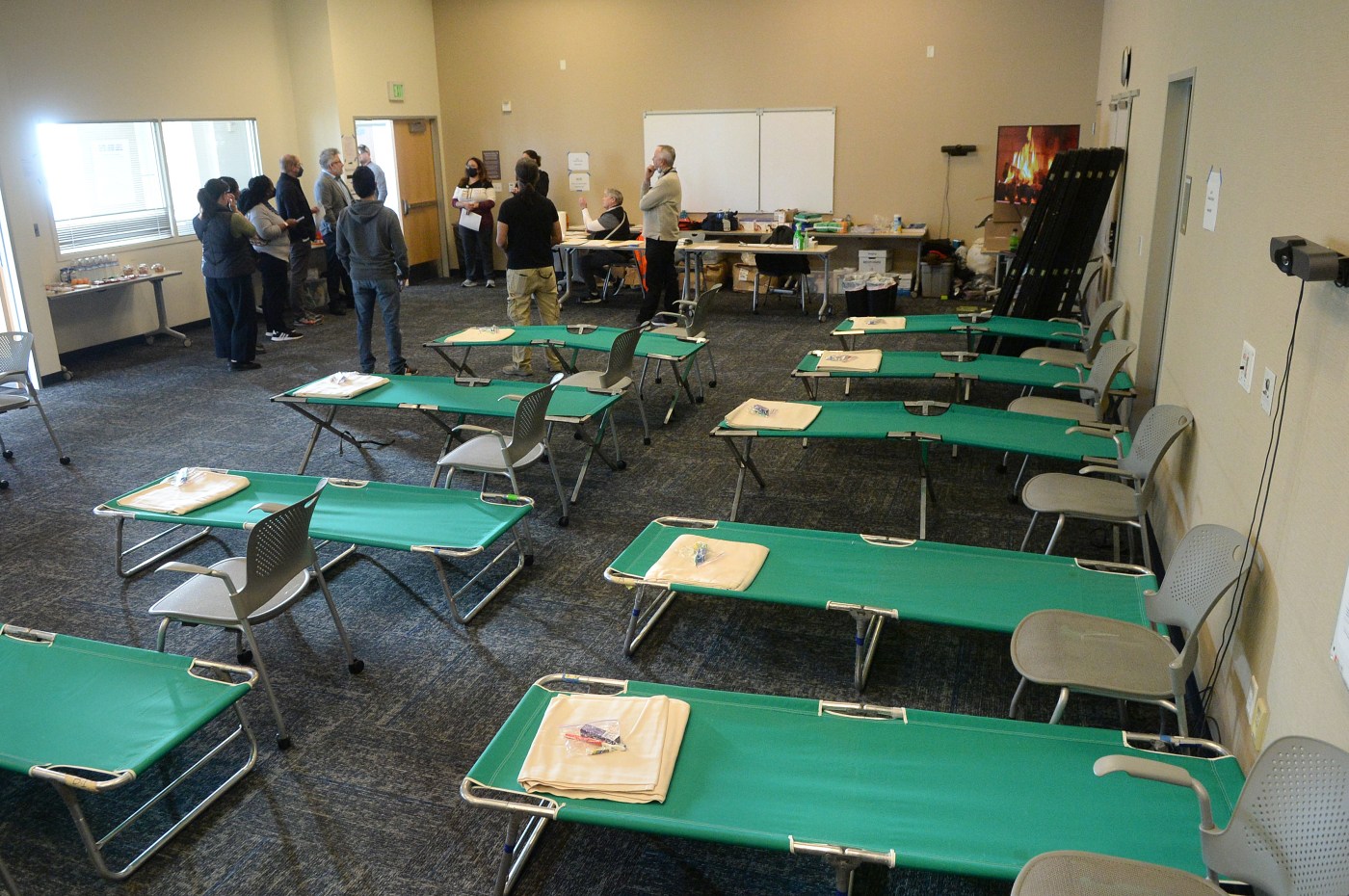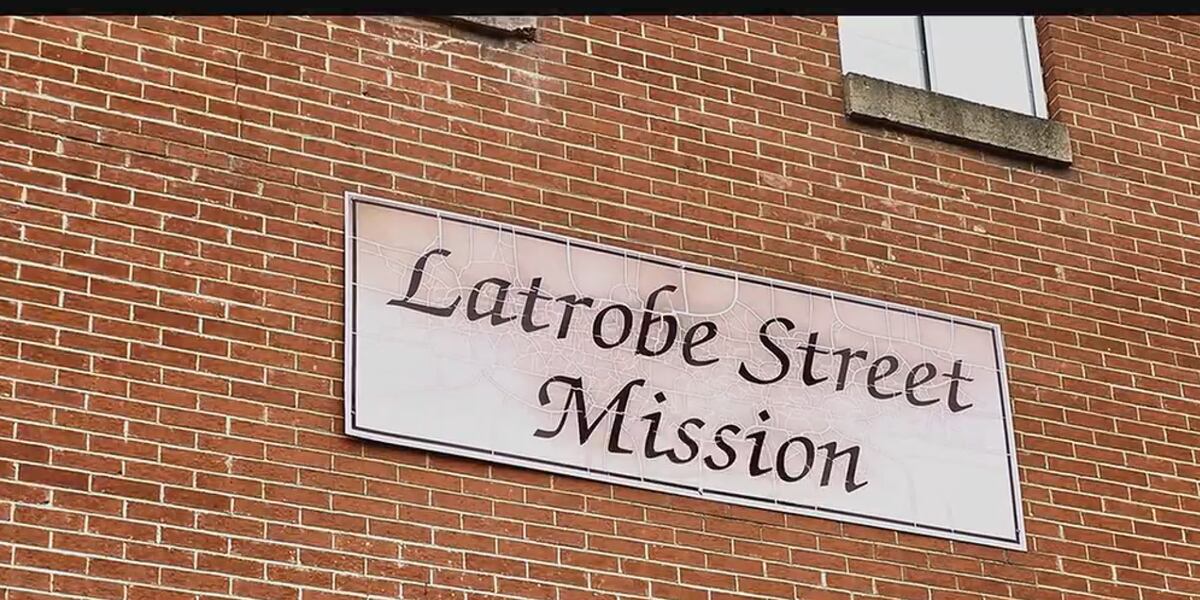
The Latrobe Street Mission in Parkersburg, West Virginia, is enhancing its support for individuals experiencing homelessness through a comprehensive approach aimed at restoring dignity and facilitating sustainable independence. Executive Director Michelle Bearhs emphasized the mission’s commitment to understanding each guest’s unique circumstances and needs as they navigate their journey out of homelessness.
At the heart of the mission’s strategy is the belief that genuine human connection is essential. “Our goal is to walk with them hand in hand to see them through until they become successful again,” Bearhs stated. The organization provides not just shelter and meals, but also a welcoming environment that fosters relationships built on care and support.
Upon arrival, guests undergo an in-depth intake assessment with a case manager or shelter manager, typically within the first couple of days. This assessment allows the mission to tailor its services to the individual, whether they are escaping domestic violence or seeking a fresh start in life. Bearhs highlighted the importance of respecting the dignity of those they serve, recognizing that homelessness often leaves individuals feeling vulnerable.
Beyond immediate shelter, the mission connects guests with essential resources for mental health and substance abuse, while also assisting with government and medical paperwork. Bearhs noted that the focus is not solely on providing emergency shelter but also on promoting sustainable independence. “Instead of just having someone stay here, we’re walking them through getting them to housing,” she explained, emphasizing the importance of life skills in maintaining stable housing.
To support this goal, Bearhs is developing a new life skills program that will include classes on budgeting, managing rent and utilities, and cooking. These skills are critical for fostering independent living and can open doors to employment opportunities. “Teaching people how to budget and being prepared to pay their rent and utilities is crucial,” Bearhs said. “Maybe it’s just because they could learn how to cook and they could work at a local restaurant. That gives them those skills.”
The Latrobe Street Mission has ambitious plans for the next three to five years. Bearhs announced that the organization aims to introduce temporary housing options for guests transitioning out of homelessness. Additionally, a one-year program specifically for women and children is in the works. The mission is also collaborating with the Humane Society of Parkersburg to provide a space for guests to keep their pets during the warming shelter season next winter.
Bearhs believes that changing perceptions about homelessness and the mission’s work is critical for future growth. “Once people really understand what our heartbeat is and what we’re trying to do here, I think that they might have a different perception of not just Latrobe Mission but just homelessness in general,” she stated. The mission’s holistic approach underscores its commitment to empowering individuals and fostering a supportive community, ultimately helping those in need to rebuild their lives with dignity and purpose.