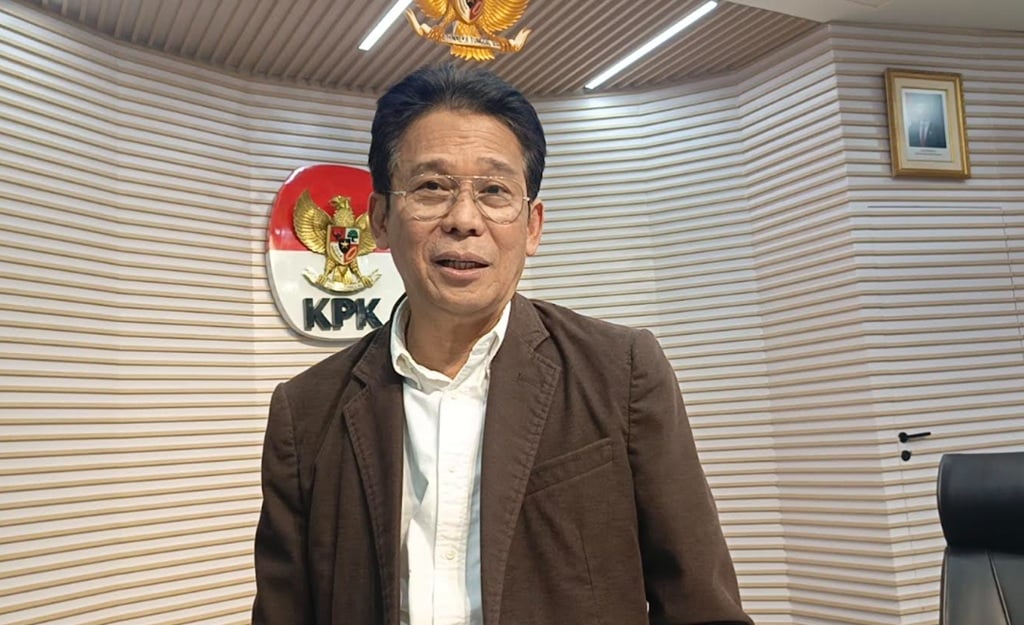
In a significant political development, Indonesian President Joko Widodo expressed his support for reverting the Corruption Eradication Commission (KPK) Law to its previous version. This statement has drawn a strong response from Johanis Tanak, the Deputy Chair of the KPK, who emphasized that laws should not be treated as temporary measures that can be easily returned when no longer needed.
Tanak articulated his concerns during a conversation on February 15, 2026, stating, “What is it that needs to be returned? A law is not an item that can be borrowed and then returned once it is no longer in use.” His comments highlight the complexities surrounding the ongoing debate over the KPK’s legal framework.
The KPK, tasked with preventing and combating corruption in Indonesia, operates under both the old and new versions of the law. Tanak clarified that the commission’s current focus is on tackling corruption within the existing legal parameters rather than initiating new legislative measures. He noted, “Currently, the KPK operates based on the old KPK Law and the new KPK Law. With the new law, the legal status of KPK employees is clearly defined as state civil apparatus (ASN).”
Tanak further elaborated on the necessity for the KPK to maintain its independence from other institutions. He argued that any changes to the KPK Law should center on its placement within the judicial framework, suggesting that the KPK should be categorized alongside the Supreme Court within the judiciary branch. This classification could bolster the KPK’s function and authority in fighting corruption.
The conversation surrounding the KPK Law reflects broader concerns about governance and accountability in Indonesia. As the country grapples with corruption challenges, the roles and powers of institutions like the KPK remain critical. Tanak’s statements reinforce the need for a stable legal foundation to support the commission’s efforts.
As discussions continue, the Indonesian public and political analysts are closely watching how these developments will influence the KPK’s operations and, ultimately, the nation’s fight against corruption.