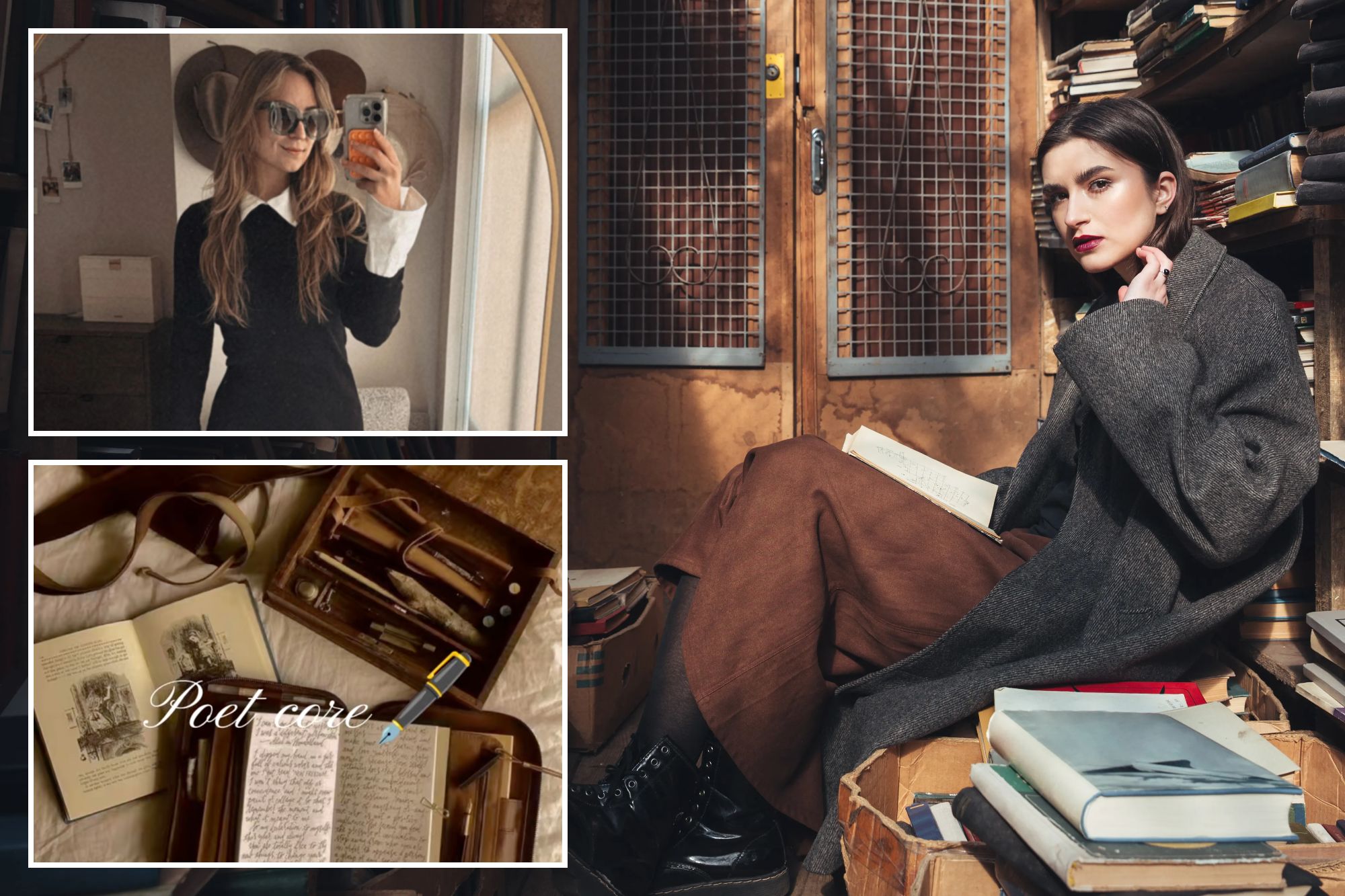
The emergence of a new fashion trend known as poetcore is reshaping the wardrobes of young people, especially those in Gen Z. This aesthetic moves away from the flashy party styles of previous years, opting instead for garments that evoke a sense of nostalgia and introspection. Instead of the micro-bags and skintight dresses that dominated the scene, fashion enthusiasts are now gravitating toward oversized sweaters, vintage blazers, and accessories reminiscent of their grandmothers’ closets.
This shift reflects a broader cultural desire for softness, substance, and a slower pace in a hyper-digital world. Poetcore encourages a style that prioritizes comfort and storytelling over loud logos and ostentation. It draws upon influences from literature and film, echoing themes from works like “Dead Poets Society,” “Saltburn,” and “The Secret History.” The aesthetic suggests a life of quiet reflection rather than one dominated by nightclub escapism.
Celebrity Influence and Personal Styling
Several celebrities have embraced this trend, bringing it into the mainstream. For instance, Jenna Ortega was spotted wearing pinstriped blazers and matching tights during promotional events for her series, while Taylor Swift showcased the aesthetic in her latest clothing choices, combining tweed coats with cozy sweaters and plaid skirts. According to Sabrina Morin, a personal stylist and founder of The Closet Compass, “Poetcore is romantic intellect with restraint. It’s what I’d call soft intelligence—clothes that suggest depth without shouting for attention.”
Stylist Lamel “Melly” Adkins highlighted that poetcore distinguishes itself from previous academic styles by integrating into modern life rather than presenting a character. “You can wear it to work, to dinner, or on the street without feeling like you’re playing a character,” Adkins explained. The trend encourages individuals to mix and match existing wardrobe pieces, promoting creativity and personal expression.
A Cultural Reflection of Slower Living
The rise of poetcore is not simply about fashion; it reflects a societal longing for the past and a desire to engage in more analog hobbies, such as reading and crafting. Lauren Trivison, a midsize fashion blogger, notes that the aesthetic thrives on contrast, blending elements from a professor’s wardrobe with more feminine touches. This blending creates a unique style that is accessible and relatable, allowing followers to reimagine their existing clothing rather than invest in entirely new outfits.
For many, like Anya Galperin, a PhD student at Stony Brook University, poetcore represents a natural evolution of personal style. After years of adhering to strictly academic dress, Galperin has embraced softer layers and comfortable silhouettes post-COVID. “It has an air of rejecting a lot of the more party girl sleaze stuff,” she stated, describing how the aesthetic allows for personal joy and authenticity in everyday life.
The look is characterized by fluid silhouettes, natural fabrics, and muted palettes that are polished enough for daily life without appearing theatrical. Anna Lavo, a celebrity stylist, emphasizes that poetcore is about “romantic introspection and emotional storytelling through clothing” rather than simply looking old or academic.
As the trend continues to gain traction, it also aligns with a growing resistance to fast fashion. Many followers of poetcore prefer to thrift, rewear, and inherit clothing, resulting in wardrobes that feel layered and personal. Designers are taking note, with traditional European fashion houses like Prada, Miu Miu, and Saint Laurent leaning into this softer and more intellectual approach to style.
The annual Pinterest Predicts report has identified poetcore as a trend to watch in 2026, noting increased interest in searches related to the aesthetic. While the label itself may evolve, the essence of thoughtful layering, heritage pieces, and intellectual expression is expected to endure.
Ultimately, poetcore transcends mere fashion. It represents a desire for individuals to be perceived as curious, intentional, and quietly confident in an increasingly loud digital landscape. In this way, the trend invites followers to be the main character of their own narrative, with pen in hand and mobile devices set aside.