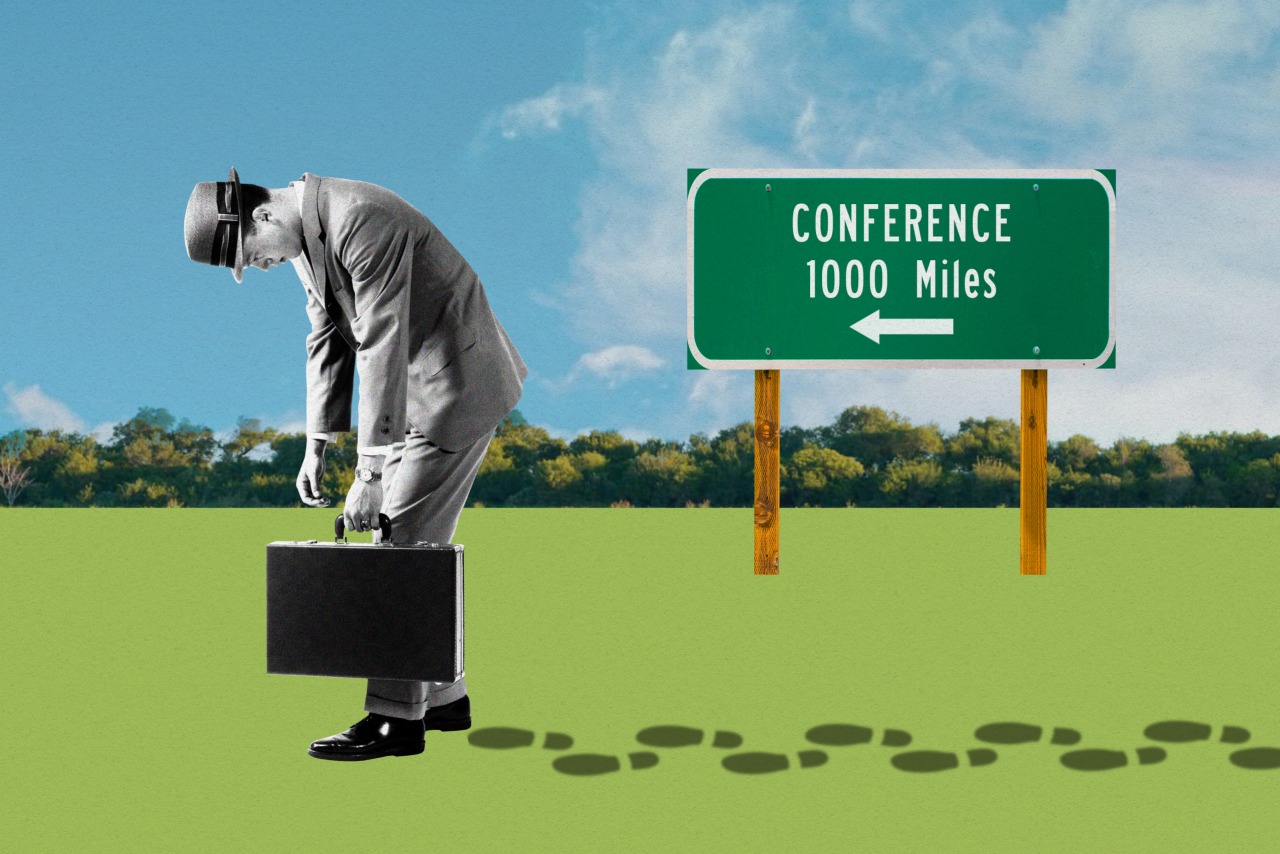
Employees are increasingly adopting a trend known as “travelscrimping,” as financial constraints and a cautious job market reshape workplace dynamics. This shift involves scaling back on travel and leisure expenditures, reflecting broader economic realities. As organizations reassess their hiring strategies, many are moving away from the rapid expansion seen during the pandemic, prompting workers to adjust their expectations and spending habits.
The term “travelscrimping” has gained traction as workers prioritize budget-friendly travel options or forego trips altogether. According to a recent survey by JobSeeker, 65% of employees reported that they are cutting back on travel expenses in order to save money. This trend is particularly evident in sectors that previously thrived on business travel, such as consulting and sales.
Impact of Hiring Trends on Employee Behavior
The post-pandemic landscape has ushered in a reevaluation of employee benefits, with many companies now reconsidering their previous hiring surges. Organizations that expanded rapidly during the pandemic are now facing the reality of economic slowdowns. As a result, some firms are implementing hiring freezes or restructuring their workforce to align with current market conditions.
The U.S. Bureau of Labor Statistics reported that the hiring growth rate has slowed significantly in 2023, with job openings declining by approximately 10% from the previous year. This shift has led employees to become more cautious about their financial commitments, including travel and leisure activities.
In this evolving environment, employees are not only adjusting their spending habits but also reconsidering how they present themselves in the workplace. The importance of self-promotion has gained significance as workers seek to stand out in a competitive job market. Experts suggest that highlighting achievements and skills is crucial for career advancement during these uncertain times.
Companies Reassess Their Strategies
The current hiring landscape is prompting many companies to rethink their strategies. Some organizations that hired aggressively during the pandemic are now facing challenges in maintaining their workforce. For instance, well-known tech giants, such as Meta and Amazon, have announced layoffs impacting thousands of employees. These decisions reflect a broader trend of reassessing growth strategies to ensure long-term sustainability.
With the hiring boom receding, employees are finding themselves in a more competitive environment. As financial pressures mount, many are feeling the need to adapt their lifestyle choices, particularly when it comes to travel. The notion of “travelscrimping” serves as a practical response to these challenges, allowing employees to balance their professional aspirations with personal financial realities.
In summary, as companies navigate the complexities of a post-pandemic world, employees are responding by adopting a more frugal approach to travel and leisure. This shift, along with the increased emphasis on self-promotion, highlights the dynamic interplay between workplace trends and economic factors. As organizations and their employees adjust to these changes, the concept of “travelscrimping” may become a defining characteristic of the current employment landscape.