A new initiative within the Albany Police Department aims to reduce police involvement in mental health calls by dispatching unarmed caseworkers alongside trained officers. This program, known as the Community Advocacy Response Team (CART), is being closely observed as a potential model for similar efforts in larger cities, including New York City under Mayor-elect Zohran Mamdani.
The CART team consists of social service caseworkers who respond to 911 calls not involving criminal activity. This approach is designed to allow armed officers to focus on more pressing police matters. “The officers are the walking encyclopedia for penal codes and laws,” said Diana Macy, a senior crisis caseworker who leads the program. “We’re the walking encyclopedias for resources to address social determinants.”
The program began operating in October 2023, with caseworkers responding to over 100 calls in its first month. Police Chief Brendan Cox emphasized the importance of this model, stating, “The easy answer is we’ll just continue to send police on everything. I don’t think we’re providing the right level of service in doing that. … I think we found that balance.”
Innovative Solutions in Albany and Beyond
CART operates directly in coordination with 911 operators, allowing caseworkers to assess situations that may benefit more from social services than police intervention. This model reflects a growing trend across the United States, where cities are exploring alternatives to traditional policing for mental health crises. For instance, the B-HEARD program in New York City dispatches teams of social workers and emergency medical technicians to specific 911 calls, yet Mamdani noted that the program only responded to 65% of eligible calls.
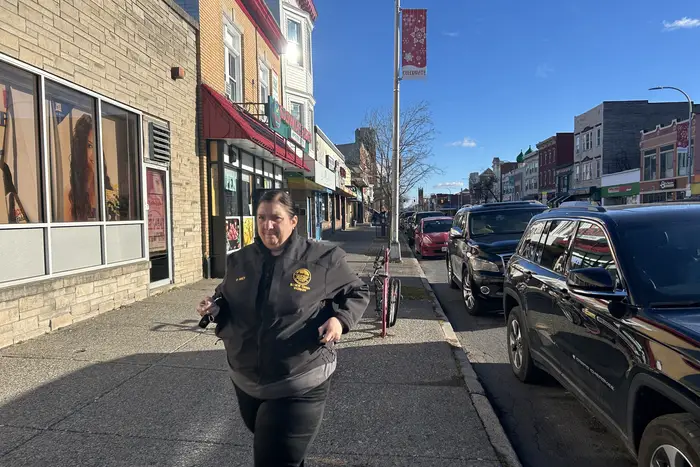
Macy and her colleague, Brooke LaTart, regularly patrol Albany in a city vehicle, monitoring dispatch calls and providing immediate assistance. During one outing, LaTart recounted a case involving an elderly woman who repeatedly called 911 to report her car stolen. Officers had been unable to find evidence of theft, but LaTart discovered that the woman had sold the car years earlier and had forgotten due to dementia. By establishing a direct line of communication, LaTart was able to significantly reduce the unnecessary calls to police.
The CART team also engages proactively with the community. On a recent patrol, Macy and LaTart visited local libraries and other public spaces to identify individuals who might need housing or other forms of assistance. Their efforts aim to connect those in need with the appropriate resources, helping to address the social issues that often lead to crises.
Shifting the Paradigm of Emergency Responses
Cox envisions a future where CART workers operate independently for certain calls, further relieving police officers from responsibilities that may not require law enforcement intervention. The program’s success hinges on continuous collaboration between caseworkers and police, allowing for a more nuanced approach to community safety.
On one patrol, Macy faced a situation at a group home where a resident was threatening staff and other residents. Understanding the complexities of mental health rights, she suggested a temporary relocation to provide a calm environment. The approach succeeded without the need for an arrest, demonstrating the effectiveness of integrating social work into crisis management.
As cities like Albany explore these innovative models, the potential for broader implementation remains a topic of discussion. Mamdani’s commitment to creating a Department of Community Safety separate from the NYPD underscores a desire for systemic change in how mental health crises are handled. “What’s frustrating is that we have evidence of approaches that work, but they are not operating at the scale that they could be,” he stated.
The Albany Police Department’s CART program serves as a crucial example of how communities can shift their response strategies to mental health emergencies. By prioritizing social services over policing, cities may improve outcomes for vulnerable populations while enhancing public safety.